
Why Flores’ Traditional Villages Matter
Nestled across mountain ridges and fertile valleys, the traditional villages of Flores stand as cultural anchors in a rapidly changing world. These communities, scattered across East Nusa Tenggara, maintain ways of life shaped by centuries of harmony between land, ancestry, and communal values. For travelers seeking authenticity, these villages offer rare access to Indonesia’s intangible heritage — not as exhibits, but as living realities.
Each village operates with its own social codes, often led by elders and rooted in ancestral belief systems. Whether in Manggarai, Ngada, or the southern highlands, customs around farming, architecture, and ritual remain deeply woven into daily routines. Visiting them isn’t just sightseeing — it’s an invitation to witness resilience, respect, and continuity in one of Indonesia’s most culturally rich regions.
Top Traditional Villages to Visit in Flores
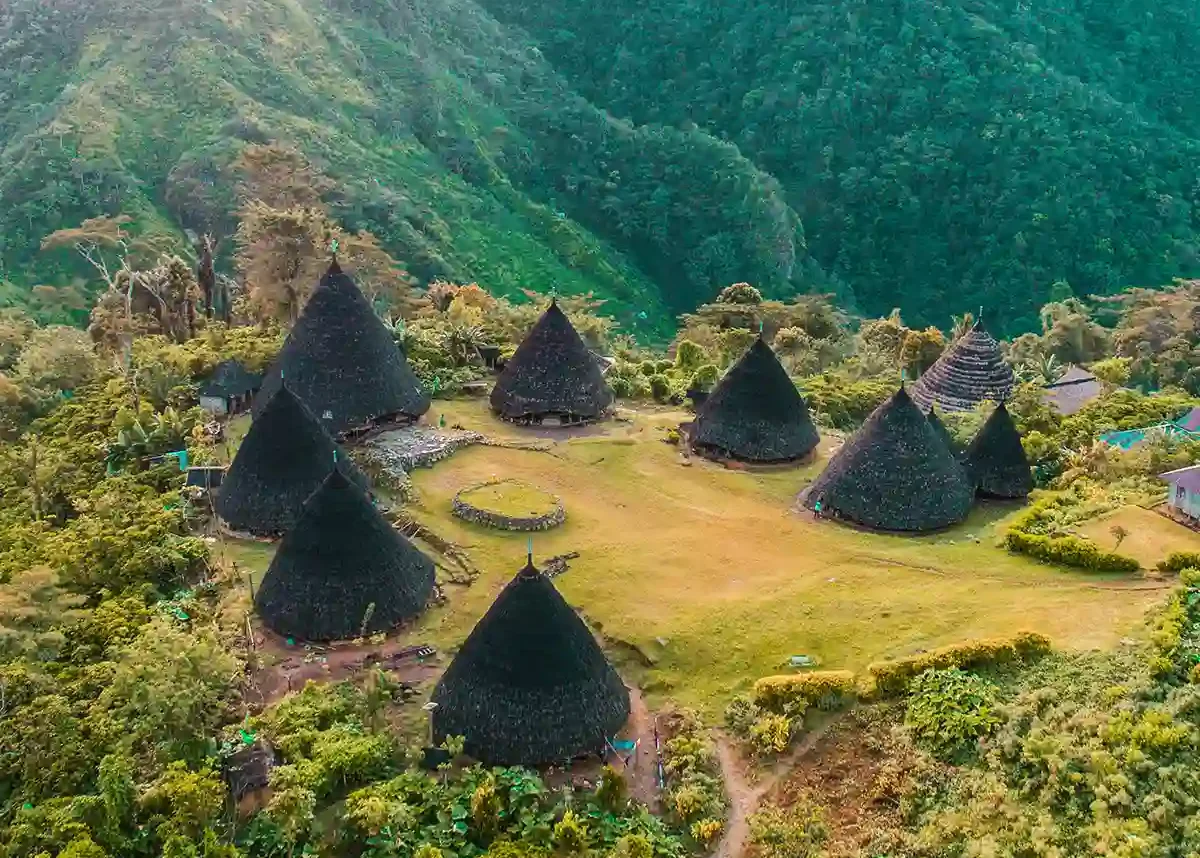
Wae Rebo, perched at 1,100 meters in the island’s central highlands, is perhaps the most iconic. Reaching it requires a 3–4 hour trek through misty forests, but the reward is profound: seven cone-shaped Mbaru Niang houses, built from bamboo and thatched palm, where families live by ancestral codes of mutual care. Guests are welcomed not as spectators but as temporary members of the community, sharing meals and stories around the central hearth.
Bena Village in Ngada stands out for its striking megalithic stones and pyramid-roofed houses aligned with spiritual symbolism. This village remains a ceremonial heartland, where events like the Reba Bena harvest festival bring ancestral veneration to life. Nearby Luba and Balaraghi villages echo similar traditions, with tightly knit communities preserving rituals tied to agriculture and lineage.
In Manggarai, Melo and Saga villages offer immersive glimpses into customary governance and communal farming. Melo’s elders still mediate village affairs through adat, while Saga’s Lopo houses serve as gathering spaces during harvest celebrations. Further south, Todo Village honors ancestral spirits through rituals for blessings in rice and corn cultivation — a reminder of how deeply spirituality and sustenance are linked.
Beyond Architecture: Living Traditions
The beauty of Flores’ traditional villages isn’t just in their thatched roofs or stone foundations — it’s in the rhythm of life that continues unchanged. In Bajawa, the Penti Ceremony marks the harvest with chants, dances, and offerings, thanking ancestors for abundance. Wogo and Old Wogo, though lesser known, maintain wooden and stone houses in clusters that reflect social hierarchy and kinship ties.
Meanwhile, Tolela and Gurusina in Manggarai uphold generational rituals that mark life cycles and seasonal shifts. Here, tradition isn’t static — it’s adaptive, resilient, and deeply social. Visitors often leave not with souvenirs, but with stories: of shared laughter during a meal cooked over open fire, of elders explaining the meaning behind a carved post, or of children guiding them through rice fields.
These experiences aren’t staged. They unfold naturally, because the people of Flores aren’t preserving culture for tourism — they’re living it. And when visitors approach with respect, they’re not just observing — they’re participating in something enduring.
Frequently Asked Questions
What is the most famous traditional village in Flores?
How do I visit Wae Rebo Village?
Are traditional ceremonies open to visitors?
Can I stay overnight in a traditional village?
Related Blog Posts
Wae Rebo Traditional Village of Flores: A Practical Visitor Guide
Wae Rebo is a Manggarai mountain village in Flores famous for its conical Mbaru Niang houses. Get directions, fees, and…
Read more →Best Time to Visit Flores Island
Discover the best time to visit Flores Island for an unforgettable adventure! Book your Komodo Island tour with Boat…
Read more →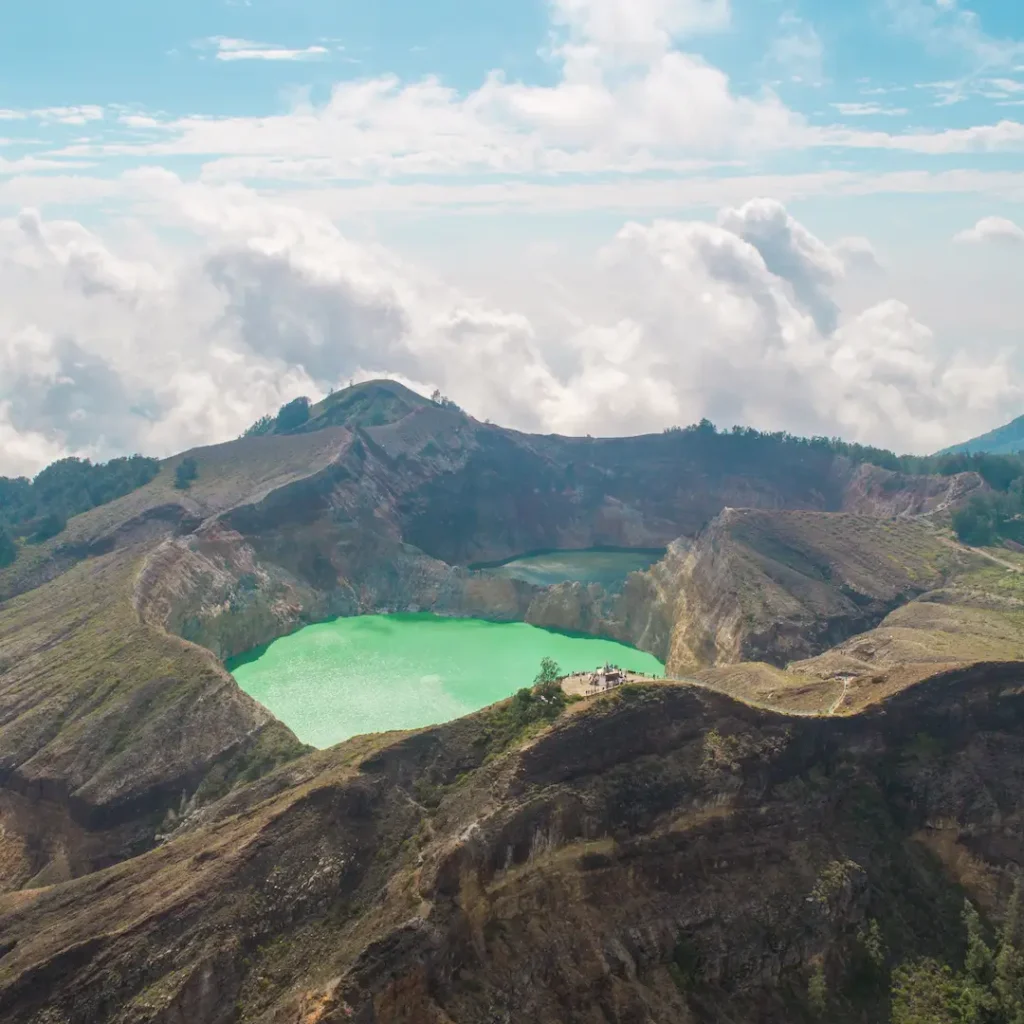
10 Must-See Flores Island Attractions for Nature and Culture Lovers
Explore the top Flores Island attractions—from Kelimutu's colored lakes to hidden waterfalls. Plan your adventure with…
Read more →Is Flores the lesser-known spot of Indonesia?
Discover the charm and adventure of Flores Island, a lesser-known spot in Indonesia. Compare Flores to Bali and find…
Read more →Top 7 Things to Do in Flores Island, Indonesia
Explore the top things to do in Flores Island, Indonesia, from trekking and caving to snorkeling and diving. Plan your…
Read more →