
Mount Lewotobi Eruption: A Major Volcanic Event in Eastern Flores
On Tuesday, June 17 at 5:35 PM local time, Mount Lewotobi Laki-Laki—an active volcano in East Flores Regency—erupted explosively, sending an ash column over 11 kilometers into the sky. The force of the eruption triggered immediate safety responses across regional aviation networks, with authorities halting flights to prevent engine damage from ash particles. Though dramatic, the event was geographically contained, with the most intense impacts felt in eastern Flores.
Labuan Bajo and Mount Lewotobi: Same Island, Distant Locations
Despite both being on Flores Island, Labuan Bajo and Mount Lewotobi are separated by about 600 kilometers. The volcano sits at the island’s eastern edge, while Labuan Bajo occupies the western tip—serving as the primary gateway to Komodo National Park. This distance meant no direct physical impact on Labuan Bajo, but standard aviation safety protocols required temporary flight suspensions to assess airborne ash risks.
Komodo Airport: 12 Flights Cancelled Amid Safety Concerns
Komodo International Airport confirmed 12 flight cancellations on June 17 as a precaution. Airlines including Citilink, Lion Air, Batik Air, and Wings Air paused operations to evaluate conditions. By Wednesday, June 18, after visual assessments, paper-based air quality tests, and confirmation that winds were pushing ash away from the area, flight operations resumed fully. The swift response minimized long-term disruption for travelers heading to the region.
Other Regional Airports Heavily Impacted
While Labuan Bajo recovered quickly, central and eastern Flores faced more prolonged challenges. Three regional airports were temporarily closed due to high ash concentration: Fransiskus Xaverius Seda Airport (Maumere) until June 19 at 6:00 AM WITA, Soa Airport (Bajawa) until June 18 at 5:00 PM WITA, and Haji Hasan Aroeboesman Airport (Ende) until June 19 at 7:00 AM WITA. Over 14,000 passengers—including domestic and international tourists—were affected during the closure period.
Komodo Island and Labuan Bajo Now: Safe and Ready for Visitors
Today, Komodo International Airport is fully operational, and visitor access to Komodo National Park remains uninterrupted. Local tour operators, including Boat Komodo Trip, are actively supporting guests with real-time updates and flexible scheduling. With clear skies and stable conditions, Labuan Bajo is welcoming travelers as usual—offering world-class diving, island exploration, and scenic sailing adventures.
Safe Travel Tips for Labuan Bajo After the Eruption
Even with normal operations restored, it pays to stay informed. Monitor updates from BMKG or PVMBG for any changes in volcanic or weather conditions. Booking through trusted local operators ensures you have on-the-ground support if plans shift. Allow buffer time in your itinerary and consider comprehensive travel insurance to cover unexpected delays—giving you peace of mind while exploring one of Indonesia’s most stunning regions.
Frequently Asked Questions
Are flights to Labuan Bajo operating normally now?
Was Labuan Bajo affected by the Mount Lewotobi eruption?
How many flights were cancelled at Komodo Airport?
Should I still travel to Labuan Bajo after the eruption?
Related Blog Posts

Direct Flights from Singapore to Labuan Bajo 2025: Your Ultimate…
Fly direct from Singapore to Labuan Bajo in 2025 with Scoot. Skip layovers, reach Komodo National Park faster, and…
Read more →How to Get to Komodo Island from Labuan Bajo
Discover the best way to visit Komodo Island from Labuan Bajo with our expert guide, including top destinations, tour…
Read more →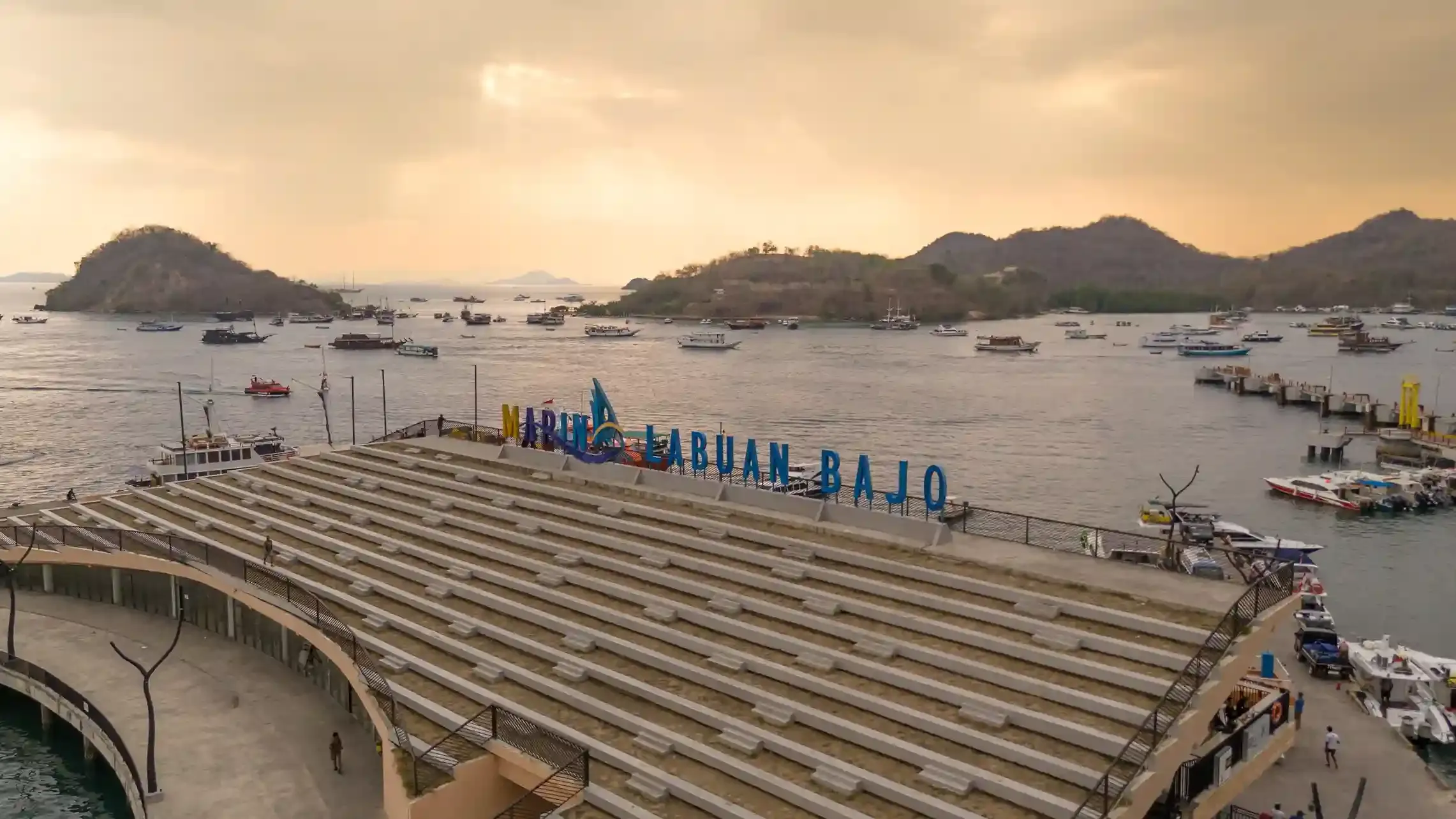
From Bali to Labuan Bajo: Your 2026 Travel Guide
Discover how to get from Bali to Labuan Bajo by flight, ferry, or boat tour. Plan your Komodo adventure with ease and…
Read more →Can You Visit Komodo Island in June 2026?
Discover if June is the right time to visit Komodo Island. Clear weather, strong diving currents, and dragon mating…
Read more →
Labuan Bajo vs Komodo Island: What’s the Difference?
Confused about Labuan Bajo and Komodo Island? Discover the key differences, how to visit, and plan your Komodo National…
Read more →