
Tandem Jumps: Your First Leap Without Experience
You don’t need a license or months of training to skydive in Bali. Tandem skydiving is designed for first-timers, pairing you with a certified instructor who handles every technical aspect. You’re securely harnessed, back-to-chest, so the moment you exit the plane, you’re supported. From the 20-second engine climb to the heart-stopping door opening, your guide stays in control.
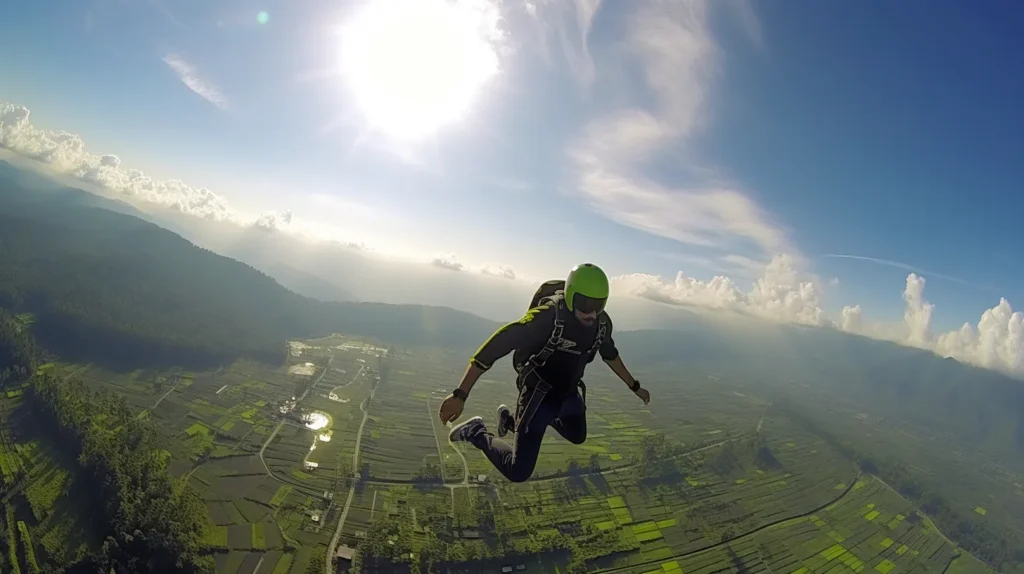
The freefall lasts around 45 to 60 seconds — long enough to feel the rush of 200 km/h winds, short enough that panic rarely sets in. Then the parachute opens, the world quiets, and you begin a 5- to 7-minute descent. This is when the view truly sinks in: the arc of Kuta Beach, the volcanic ridge of Mount Batukaru, maybe even a passing fishing outrigger far below. It’s not just adrenaline; it’s clarity.
Bali vs. Dubai: Two Skies, Two Stories
Dubai’s skydiving scene is iconic — a plunge over the Palm Jumeirah, the desert sprawl, or the glittering city skyline. It’s a spectacle of human engineering. Bali offers the opposite: a dive into nature’s blueprint. Here, the island unfolds in organic layers — jungles spilling into cliffs, rivers cutting through valleys, and the Indian Ocean wrapping everything in blue.
The sensory contrast is real. In Dubai, you feel the dry desert air and the scale of modern ambition. In Bali, humidity clings to your skin, birds scatter below, and the scent of frangipani might drift up as you land. One is futuristic; the other is elemental. If your idea of adventure includes culture, biodiversity, and raw landscapes, Bali’s skydive becomes more than a stunt — it’s a journey through the soul of the tropics.
What to Know Before You Leap
Timing matters. The best conditions for skydiving in Bali fall between April and October, when the dry season brings steady winds and clearer skies. That doesn’t mean jumping is off-limits the rest of the year. Operators monitor daily weather closely and often find midday windows even in the wet season. If clouds roll in, they’ll reschedule — no pressure, no risk.
Preparation is straightforward. Wear snug, athletic clothing and closed-toe shoes. Loose jackets or sandals won’t be allowed. You’ll go through a 20- to 30-minute briefing covering body position, exit technique, and landing posture. Most operators provide goggles, helmets, and jumpsuits. And yes — you can (and should) opt for photo or video coverage. That wide-eyed moment when the door opens? It’s worth reliving.
Alternatives for the Sky-Curious
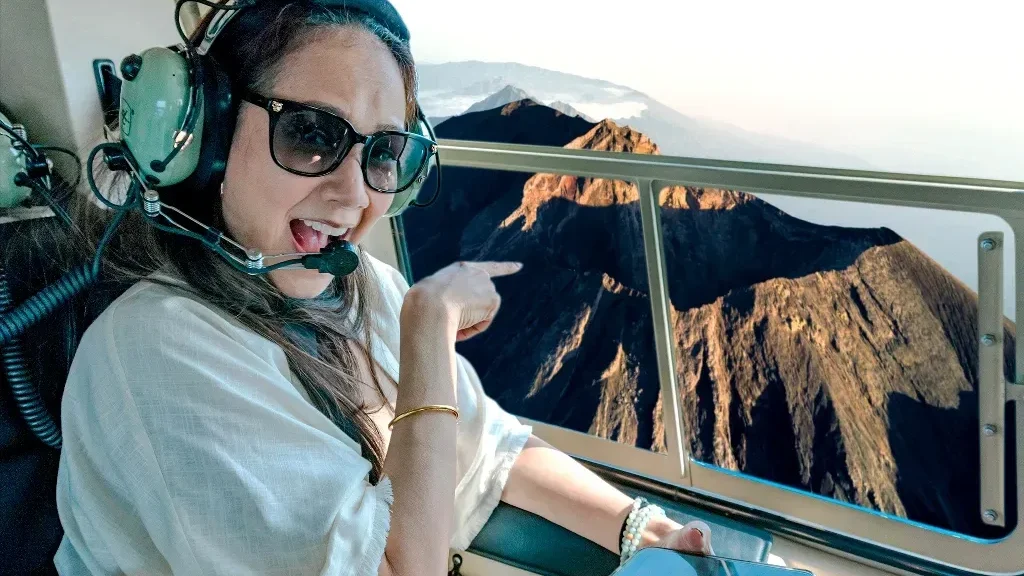
Not everyone is ready to jump from a plane — and that’s okay. A helicopter tour offers a powerful compromise. Soar over Tanah Lot at golden hour, trace the coastline from Seminyak to Nusa Dua, or circle above Mount Batur’s crater lake. You’ll still get the aerial perspective, the sense of scale, without the freefall.
These tours typically last 12 to 30 minutes and can be booked as private experiences. Some even include door-off configurations for unobstructed photography. It’s a smoother ride, yes, but the views are just as striking. For many, it’s a confidence builder — a way to test the skies before committing to a full skydive. And who knows? That gentle descent in a chopper might just spark the courage to take the leap next time.
Gallery
Pricing
Rates as published on our legacy listing. Contact us for current availability, seasonal rates, and private-charter offers.
| Category | Price |
|---|---|
| 2. How much does a Bali sky dive usually cost? | USD 300 |
Frequently Asked Questions
How high do you jump from during a Bali skydive?
Is skydiving in Bali safe for beginners?
Do I need to book my skydive in advance?
Can I get photos or videos of my jump?
What happens if the weather is bad on my scheduled day?
Related Blog Posts
Karimunjawa Skydiving: Experience the Ultimate Thrill in Indonesia
Experience the thrill of Karimunjawa Skydiving. A new skydiving center, breathtaking views, and the Boogie Woogie event…
Read more →How to Plan a Trip to Bali: Expert Tips for a Dream Getaway
Discover the ultimate guide to planning a trip to Bali, from top destinations to must-do activities and travel tips.…
Read more →Can You Visit Komodo Island from Bali?
Yes, you can visit Komodo Island from Bali. Discover how to get there by plane or boat, best tours, timing, and tips…
Read more →
What is Bali Known for? Here are 15 Popular Things in Bali
Explore the best of Bali, from stunning beaches to vibrant culture, and delicious cuisine. Get insider tips on must-see…
Read more →
Luxury Travel Review: From Australia to Bali and Komodo Island
Discover the ultimate luxury travel experience from Australia to Bali and Komodo Island. Book with Boat Komodo Trip and…
Read more →