
India’s Most Vibrant Cultural Festivals
India pulses with festivals that mark seasons, myths, and spiritual milestones. These are not mere events but living traditions woven into daily life. From city streets to remote villages, each celebration brings people together in shared rhythm and belief.
Diwali, the Festival of Lights, transforms homes and hearts alike. As oil lamps and rangolis glow, families gather for prayers, feasts, and fireworks. It’s a time of renewal — when darkness yields to light, and old grudges give way to forgiveness. The air hums with sweetness, both literal and symbolic, as gifts and sweets pass from hand to hand.
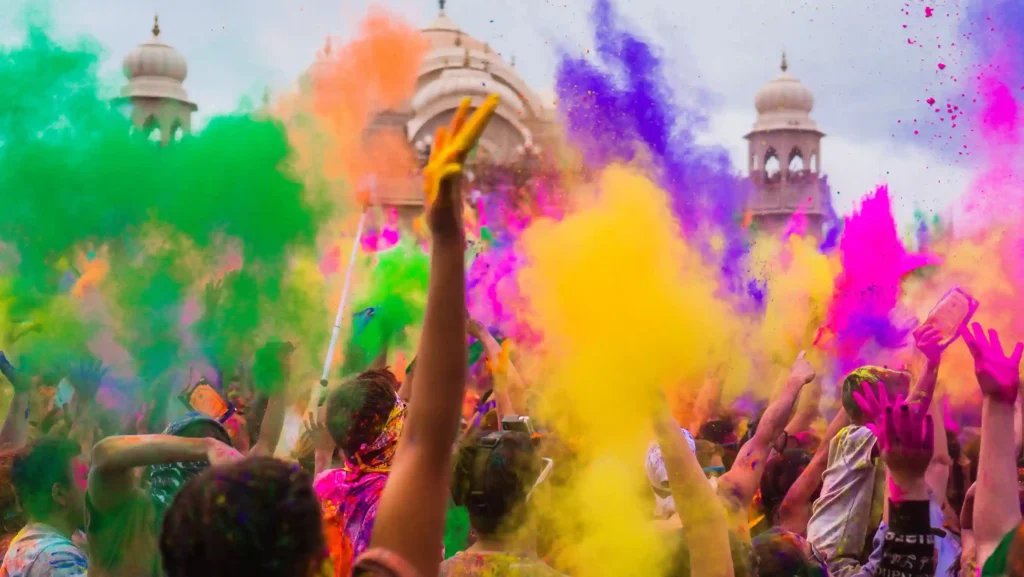
Holi, the Festival of Colors, bursts onto the scene with even more exuberance. Streets turn into rainbows as people douse each other in colored powder and water. More than just play, Holi marks spring’s arrival and the triumph of good over evil. The night before, bonfires known as Holika Dahan burn away negativity, setting the stage for joy, music, and communal unity.
Komodo Island’s Living Traditions
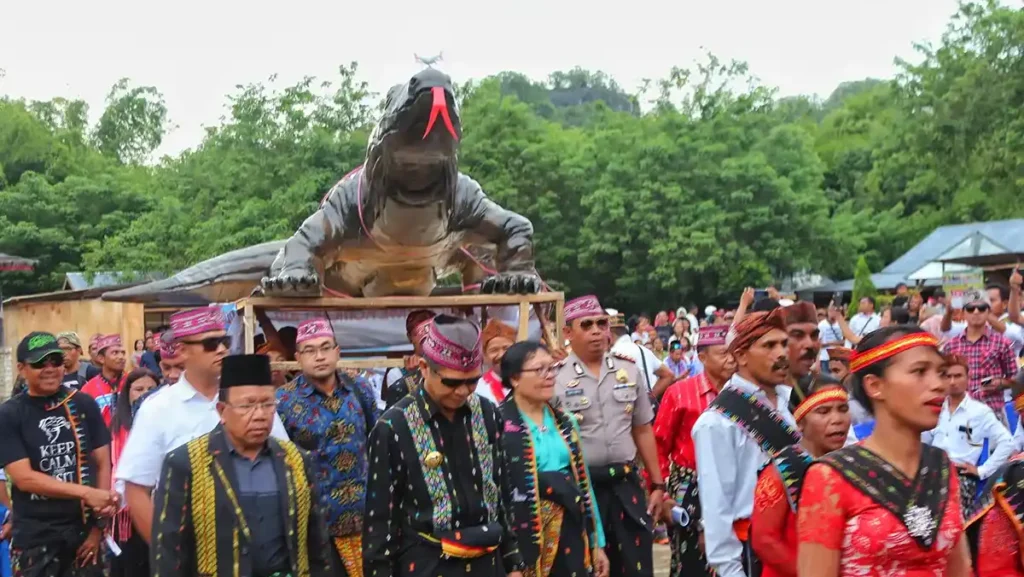
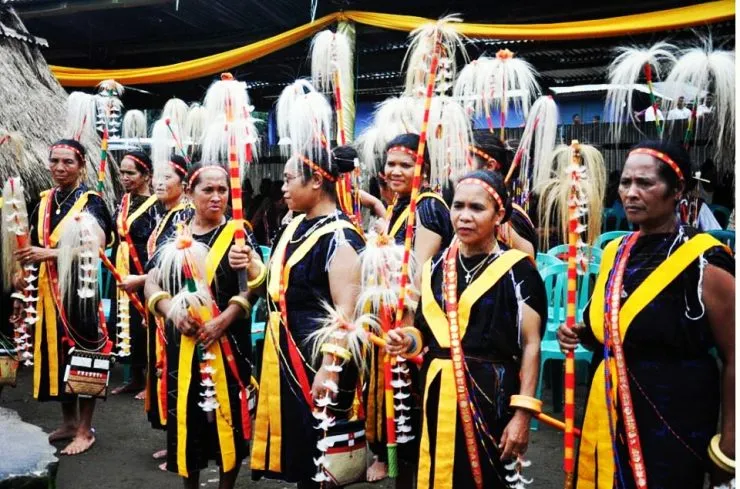
Beyond the dragons and turquoise waters, Komodo Island and its surrounding villages host traditions that have shaped community life for generations. These festivals are quieter in scale but profound in meaning, often tied to agriculture, faith, and ancestral reverence.
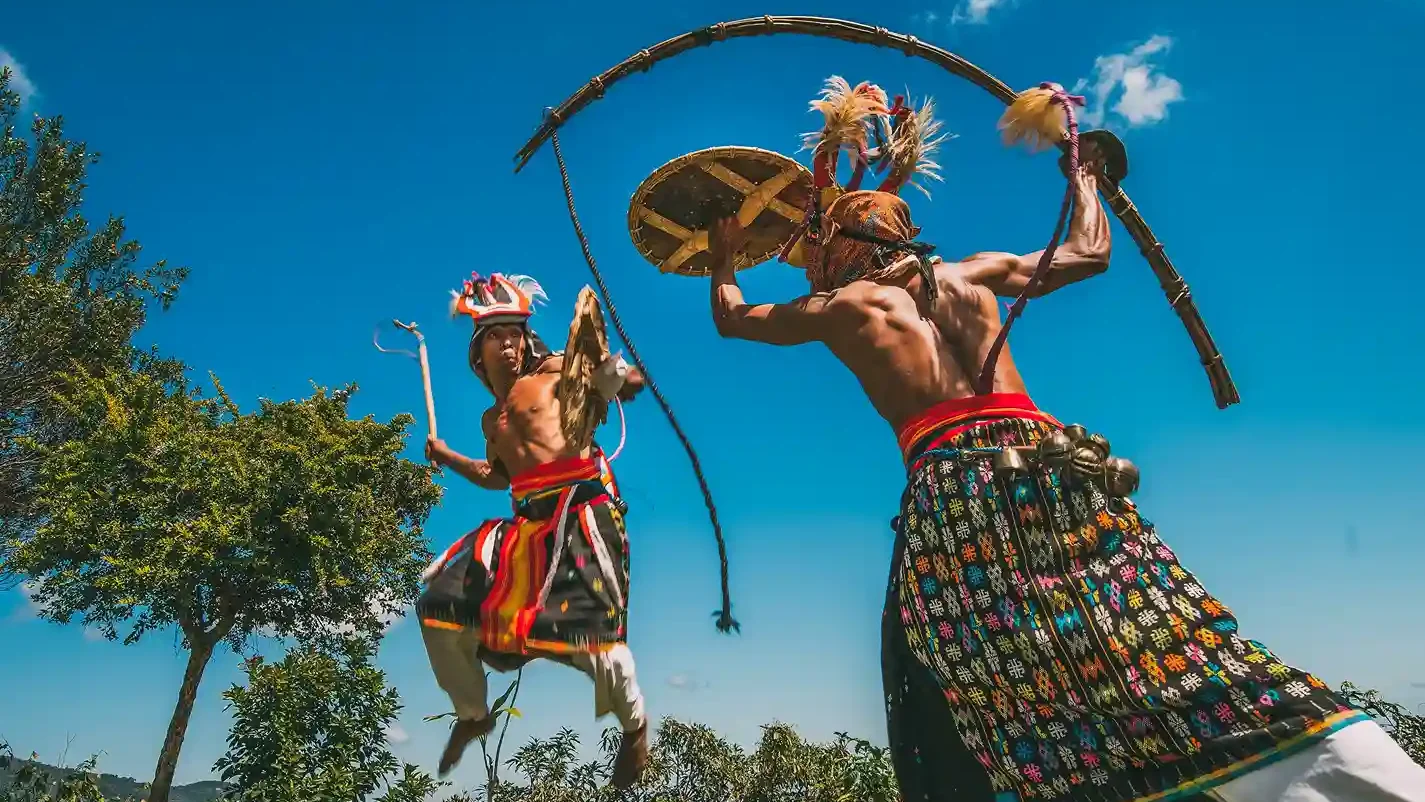
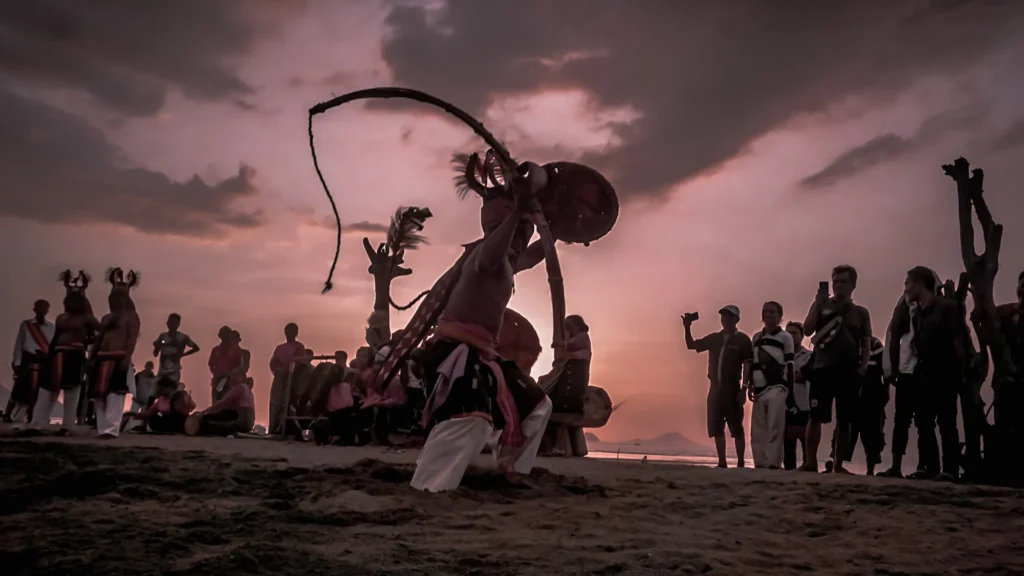
In Wae Rebo, the Penti Sacred Rituals welcome the new agricultural cycle. The highlight is the Caci dance — a whip-fighting performance where men in ornate costumes duel with rhythm and precision. It’s not combat but storytelling, a display of courage and cultural memory passed down through centuries.
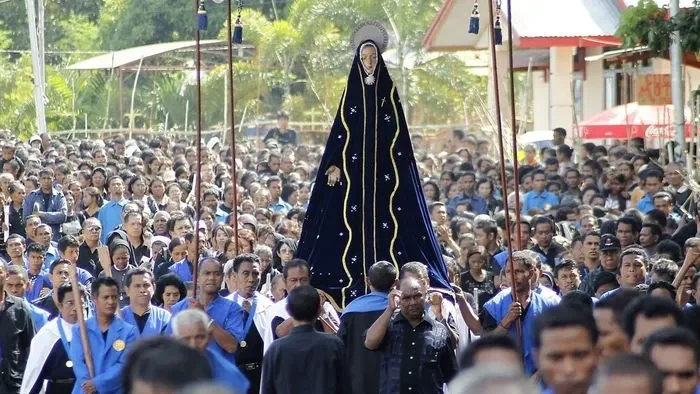
Larantuka’s Semana Santa is one of Indonesia’s most solemn Christian observances. During Holy Week, processions move through candlelit streets in near silence. Devotees walk barefoot, chanting prayers, marking a week of penance and reflection. The Good Friday procession draws thousands, offering visitors a rare glimpse into deep spiritual commitment.
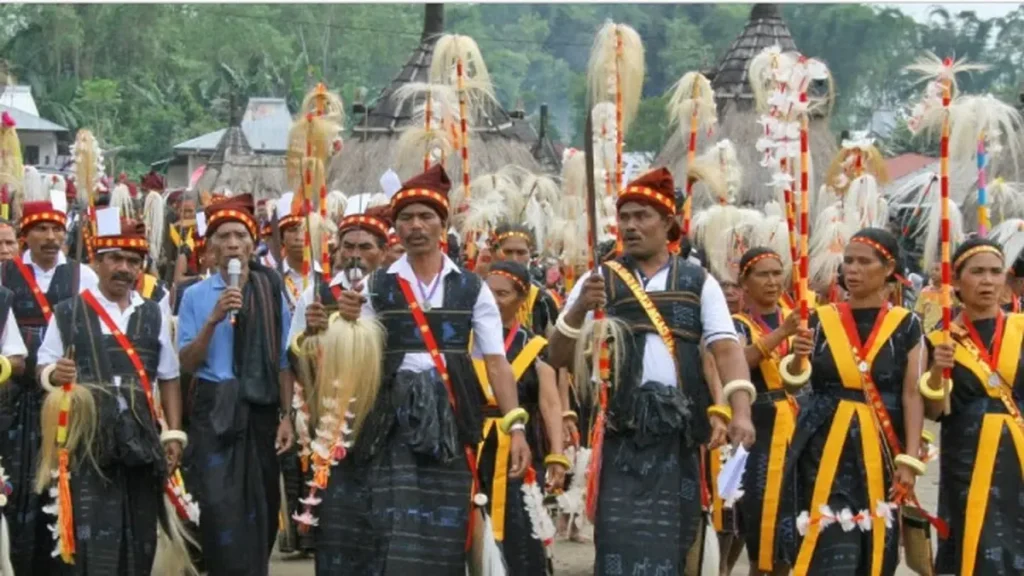
The Reba Traditional Ceremony, held by the Ngada people, honors ancestors with rituals, sacred dances, and communal feasting. Symbolic gifts are exchanged, traditional foods prepared, and stories retold — all to seek blessings for the year ahead. It’s a celebration of continuity, where past and present meet in ritual harmony.
Shared Values Across Distant Cultures
Though separated by geography and religion, festivals in India and Komodo reflect parallel values — gratitude, renewal, and community. Diwali and Penti both mark new beginnings, one through light and prayer, the other through harvest and dance. Holi’s spirit of forgiveness echoes in Semana Santa’s call for penance and inner cleansing.
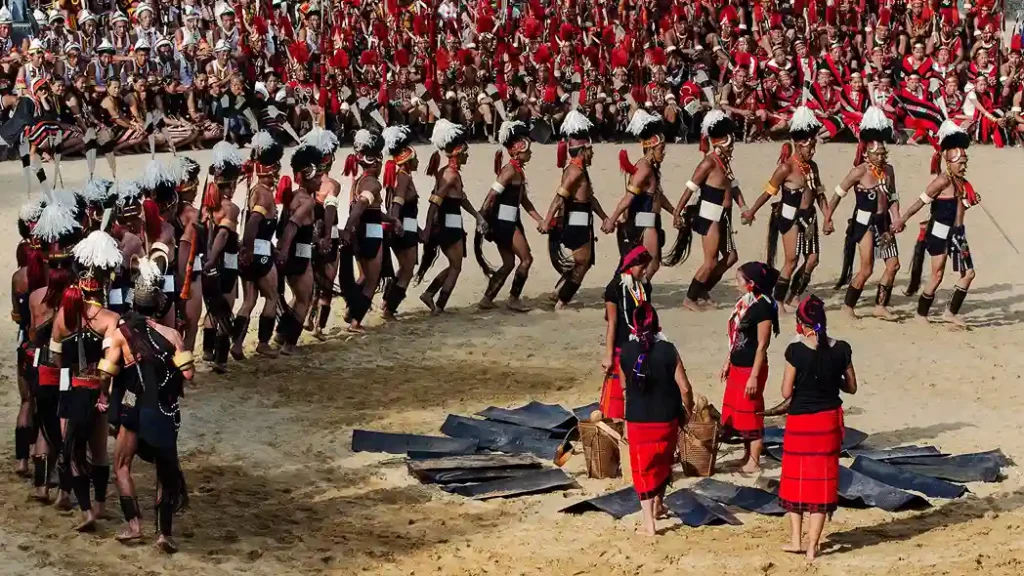
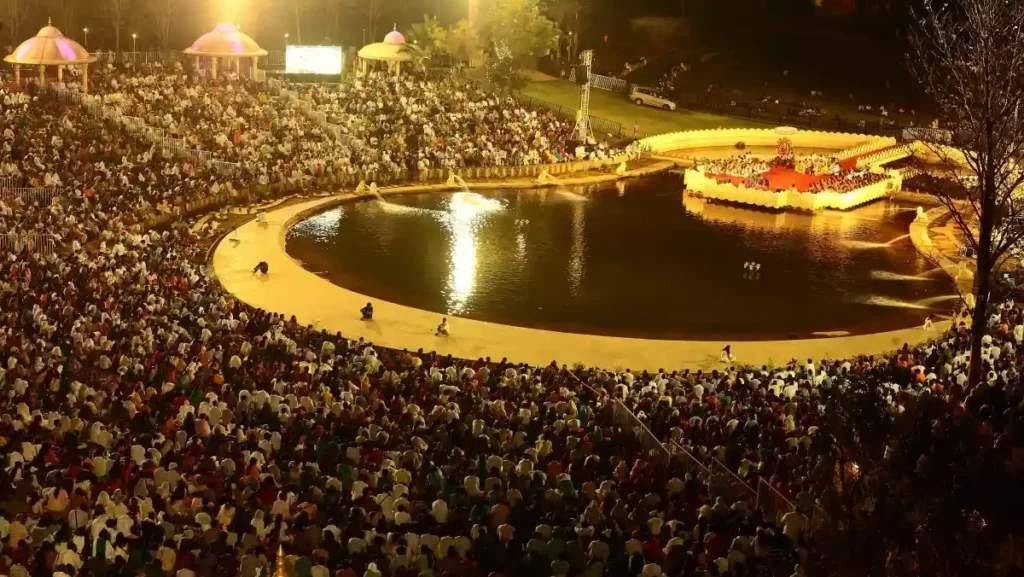
The Hornbill Festival in Nagaland and the Komodo Culture Festival both celebrate indigenous identity through music, craft, and performance. These are not staged for tourists but sustained by communities determined to keep their heritage alive. Similarly, Maha Shivratri’s night-long vigils and Semana Santa’s processions demand devotion — a reminder that some experiences transcend spectacle and enter the realm of the sacred.
What emerges is a quiet truth: whether in a Himalayan valley or a Sumbawan village, festivals anchor people to something greater — to land, lineage, and belief. They are not just cultural expressions but acts of resilience and belonging.
Gallery
Frequently Asked Questions
Can I attend local festivals on Komodo Island as a tourist?
When is the best time to visit Komodo Island for cultural events?
Are Indian festivals celebrated in Indonesia?
How can Boat Komodo Trip help me experience local culture?
Related Blog Posts
Flores Island Festivals: Celebrating Culture and Tradition
Experience Flores Island festivals blending ancient rituals, Catholic devotion, and harvest celebrations. Plan your…
Read more →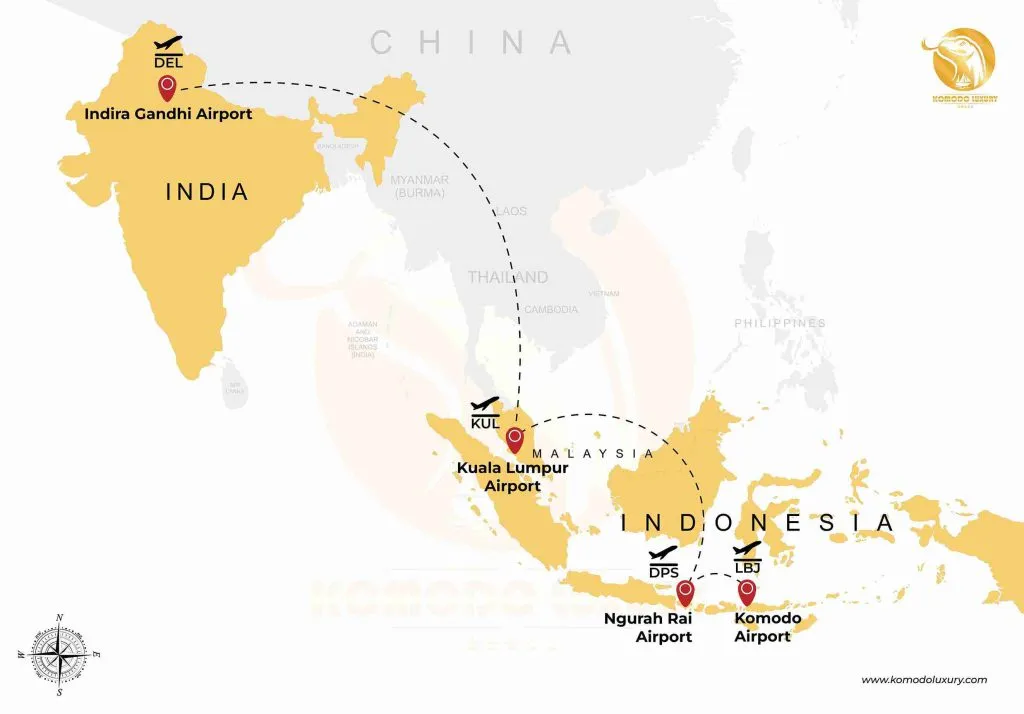
Getting to Komodo Island from India 2026: A Traveler’s Roadmap
Plan your 2026 trip from India to Komodo Island with confidence. Learn flight routes, permits, costs, and how to book a…
Read more →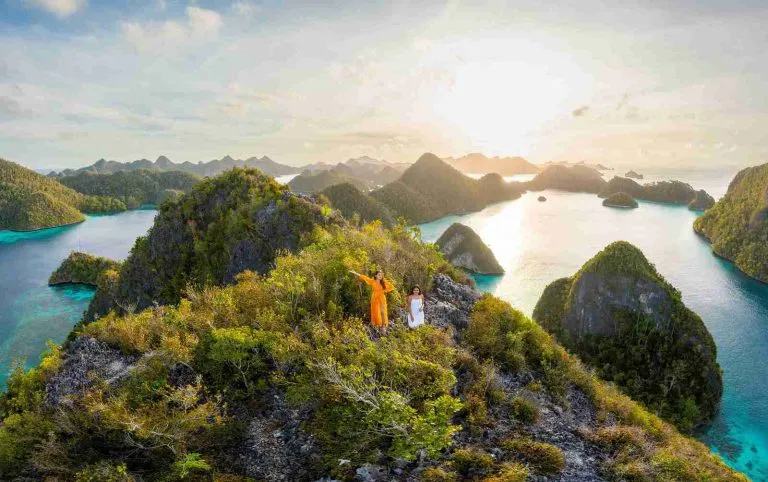
From India to Raja Ampat 2026: A Traveler’s Roadmap
Plan your 2026 trip from India to Raja Ampat with confidence. Get flight routes, transit tips, and liveaboard advice…
Read more →Fly from India to Bali: Expert Guide for 2026
Get expert advice on how to fly from India to Bali in 2026, including flight options, routes, and tips for a smooth…
Read more →
Komodo 3D2N Shared Trip 2026: Ultimate Guide to Komodo Island Tours,…
Experience the ultimate Komodo 3D2N shared trip 2026 with Boat Komodo Trip. Explore Komodo Island, luxury phinisi…
Read more →