
How Deep Should Beginner Divers Go in Komodo?
If you’re certified at the Open Water level, you’re generally cleared to dive up to 18 meters — and that’s more than enough to explore Komodo’s most vibrant underwater scenes. Many of the park’s highlights, including coral gardens and manta cleaning stations, sit well within this range, often between 10 and 15 meters.
Depth isn’t just about certification. Conditions like current strength, visibility, and your personal comfort play a big role. Instructors may suggest staying shallower than 18 meters if the current picks up, even at beginner-friendly sites. Always communicate openly with your dive guide about your experience and limits — they’ll tailor the dive to keep you safe and relaxed.
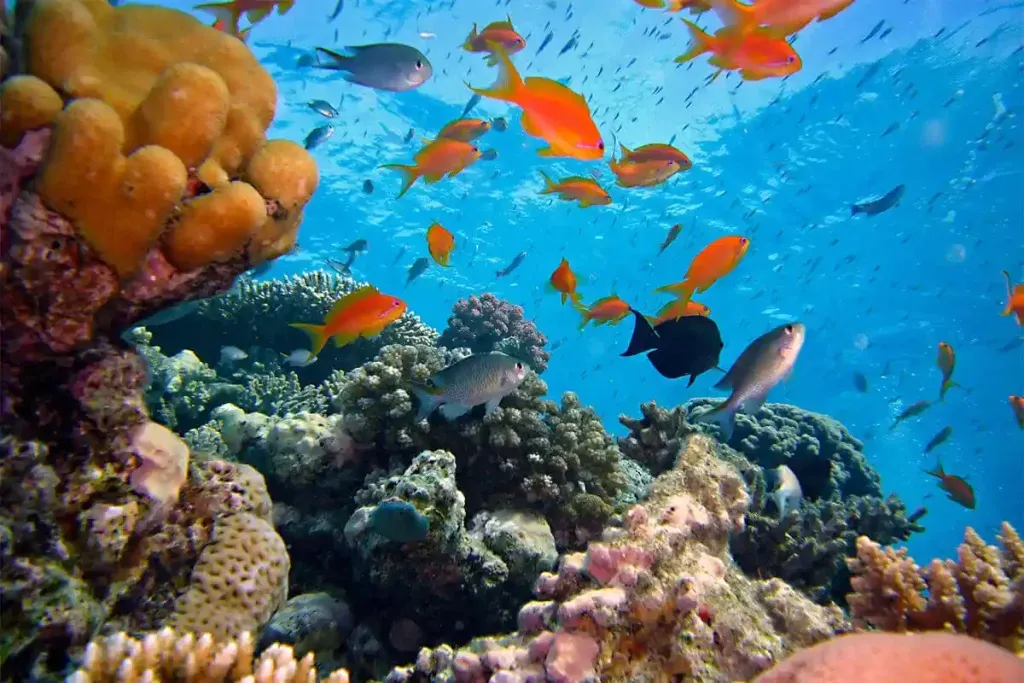
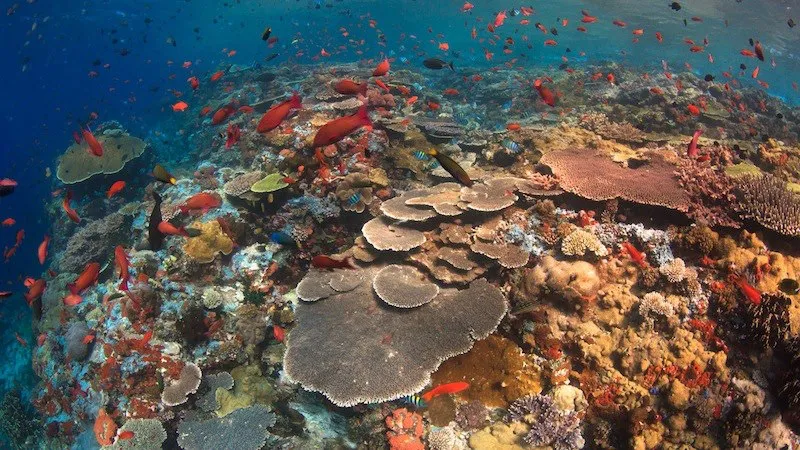
The good news? Light penetrates beautifully in Komodo’s clear waters, making shallow dives especially vivid. Fish colors pop, corals glow, and encounters with turtles or mantas feel just as thrilling — no deep diving required.
Top 5 Beginner-Friendly Dive Sites in Komodo
Komodo hosts over 40 dive sites, but not all are suited for new divers. The best beginner spots combine calm conditions, manageable depths, and dazzling marine life. With the right operator, you’ll be guided to locations that match your skill level while still delivering that ‘wow’ factor.
Manta Point is a must-visit. At 10–15 meters deep, it’s well within beginner range, and the chance to glide alongside gentle manta rays is unforgettable. Currents can vary, but dive masters typically time entries to match slack tides, making it accessible even for less experienced divers.
Tatawa Besar offers stunning soft coral walls in shallow zones, with excellent visibility and minimal current. It’s a visual feast — perfect for building confidence underwater. Siaba Island, nicknamed “Turtle City,” lives up to its name. Green turtles nap on reefs here, and the coral gardens sit in easy-to-navigate shallow waters, ideal for both diving and snorkeling.
Sebayur Island is another favorite for beginners, known for its gentle flow and lively reef fish. The site’s varied topography keeps dives interesting without being overwhelming. Batu Bolong, while popular with advanced divers, has a shallow reef top that’s beginner-accessible. Stick to the upper levels, stay close to your guide, and you’ll enjoy vibrant corals and schooling fish without venturing into stronger currents.
When Should Beginners Dive in Komodo?
Timing your trip can make a big difference in your experience. The dry season, from May to September, is widely considered the best window for beginner divers. Skies are clear, rainfall is rare, and underwater visibility often exceeds 20 meters. Currents are generally milder during these months, which helps new divers stay relaxed and focused.
Water temperatures hover around 26–28°C (79–82°F), making for comfortable dives without heavy gear. This period also overlaps with manta ray sightings at cleaning stations, so you’re likely to encounter these graceful giants in calm, clear conditions.
The transition months — October and November — can still offer good diving, with fewer crowds and decent visibility. While occasional rain may pass through, many operators continue running dives safely. The rainy season (December to March) brings stronger currents and reduced visibility, so it’s less ideal for beginners — though still manageable with expert guidance and careful site selection.
Essential Tips for First-Time Divers in Komodo
Even if you’re new to scuba, a little preparation goes a long way. Start by ensuring you’re in decent physical condition — diving requires stamina, especially when dealing with mild currents. Light cardio or swimming in the weeks before your trip can help build confidence and endurance.
Choose a reputable dive operator. Look for centers with certified instructors, well-maintained equipment, and a track record of safety. A good operator will assess your skill level, brief you thoroughly, and never push you beyond your comfort zone. Boat Komodo Trip partners with trusted local guides who specialize in beginner-friendly itineraries.
If you’re not yet certified, consider taking a PADI Open Water or Discover Scuba Diving course before arrival. Many travelers complete the theory online and finish the practical sessions in Indonesia. Understanding hand signals, equalizing techniques, and basic safety procedures will make your first dive in Komodo far more enjoyable.
Always respect marine life. Avoid touching corals or chasing animals. Mantas and turtles are wild — observe them quietly from a distance. This not only protects the ecosystem but also increases your chances of witnessing natural behaviors. Finally, listen to your body. If you’re tired or uneasy, it’s okay to skip a dive. Your safety and comfort come first.
Gallery
Frequently Asked Questions
Do I need a diving certification to dive in Komodo?
Are currents in Komodo dangerous for new divers?
Can I see manta rays as a beginner diver?
What gear should I bring for my first dive in Komodo?
Related Blog Posts
Raja Ampat Diving Guide for Beginners: Essential Tips and Tricks
Discover the best diving spots in Raja Ampat for beginners, learn about the necessary preparations, and get expert tips…
Read more →10 Travel Tips for Misool Beginners: Don't Go Without Reading This!
Get ready to explore Raja Ampat's lesser-known spot, Misool, with our expert travel tips for beginners. Book your Raja…
Read more →
Komodo Island Diving: Explore the Best Dive Spot in Komodo
Discover the best dive spot in Komodo Island, Indonesia, with crystal-clear waters and an incredible array of marine…
Read more →Best Time to Dive in Komodo National Park 2026
Plan your dive trip right. Discover the best time to dive in Komodo National Park in 2026 for clear waters, strong…
Read more →Can You Do Komodo Island in a Day? Here’s What’s Possible
Yes, you can explore Komodo Island in a day. See Padar, Pink Beach, dragons & more. Plan your seamless day trip with…
Read more →