
Why Indonesia Stands Out for Maritime Investors
Indonesia offers a rare convergence of natural appeal, market growth, and policy support that makes it a standout destination for boat investment. Its vast network of islands—from the well-established luxury scene in Bali to the wild frontiers of Raja Ampat—creates a diverse and scalable market for charter operations.
Tourism continues to expand, particularly in high-end and eco-conscious segments. Bali remains a magnet for international visitors, many of whom seek premium experiences on the water. Labuan Bajo, as the gateway to Komodo National Park, has seen rapid development in marina facilities and guest services, making it a strategic base for liveaboard and day-charter fleets. The ease of access between Bali and eastern destinations further strengthens the investment case, allowing operators to seasonally reposition vessels or offer extended itineraries.
The Indonesian government has also prioritized tourism infrastructure, investing in port upgrades and simplifying regulations for foreign participation. These moves reduce operational friction and signal long-term commitment, giving investors greater confidence in the stability and growth potential of the maritime tourism sector.
Advantages of Investing in Indonesian Boats
Investing in boats in Indonesia goes beyond financial returns—it’s a strategic play in a high-growth tourism ecosystem. The most immediate benefit is revenue generation through charter rentals, especially in peak seasons when demand for private and group tours surges in hotspots like Nusa Penida, Komodo, and the Banda Islands. Operators report strong occupancy rates for well-positioned vessels, translating into consistent cash flow.
Beyond income, boats—particularly custom-built phinisi or modern luxury yachts—can appreciate in value, especially if maintained to high standards and outfitted for niche markets like diving or eco-tourism. This dual benefit of income and appreciation makes boat ownership a compelling alternative to traditional real estate or stock investments.
For global investors, boat assets also offer portfolio diversification with lower correlation to volatile markets. Unlike equities, these are tangible assets tied to a growing industry. Plus, ownership comes with lifestyle perks: personal use during off-seasons, hosting private events, or offering curated experiences to guests—all while contributing to local economies and marine conservation when operated responsibly.
Types of Boats That Deliver Returns
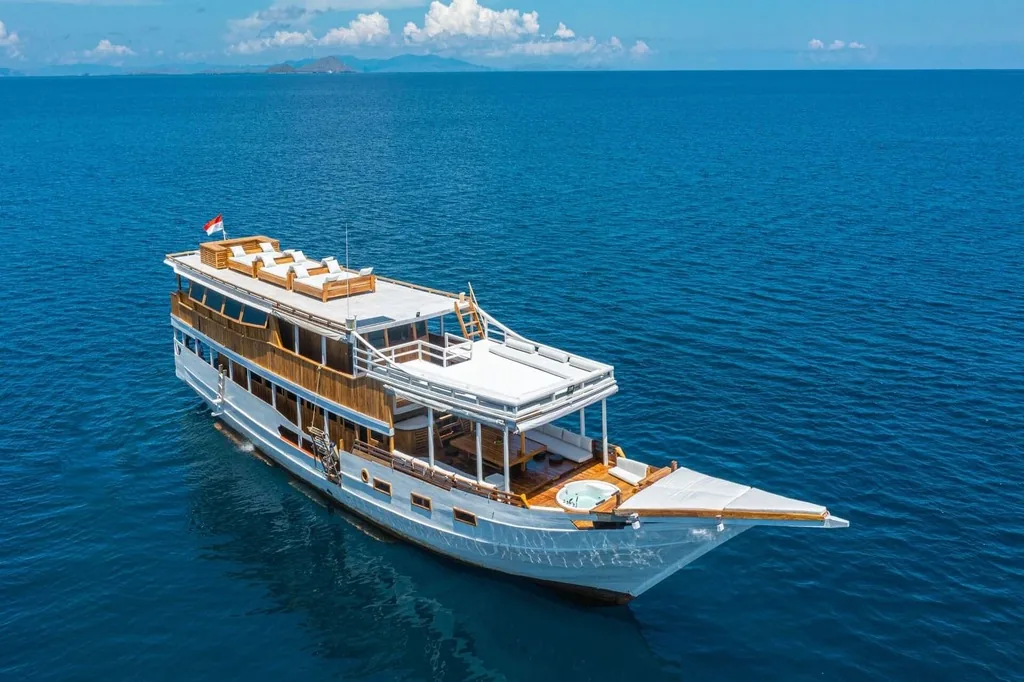
The Indonesian market supports a range of vessel types, each suited to different investment goals and customer segments. Phinisi boats, crafted wooden sailing vessels with heritage roots in Sulawesi, are among the most sought-after. Their spacious decks, cultural authenticity, and suitability for multi-day liveaboard trips make them ideal for diving charters and luxury getaways. Many international travelers specifically seek out phinisi experiences, drawn by the blend of tradition and adventure.
Modern motor yachts and catamarans are also gaining traction, particularly in Bali and the Gili Islands, where demand for day charters, sunset cruises, and wedding events is strong. These vessels offer faster deployment, modern amenities, and higher guest capacity, appealing to operators focused on volume and premium service.
Liveaboards—boats designed for extended stays at sea—are especially profitable in remote diving zones like Alor, Cenderawasih Bay, and Raja Ampat. Equipped with dive platforms, compressors, and comfortable cabins, they cater to serious divers willing to pay premium rates for access to pristine reefs. Choosing the right type depends on target market, operational base, and long-term management strategy.
Navigating the Investment Landscape
The boat investment landscape in Indonesia is dynamic, shaped by rising visitor numbers, evolving traveler preferences, and increasing competition. Success depends not just on the vessel, but on operational excellence—crew quality, maintenance standards, marketing reach, and itinerary design.
Many investors partner with local management companies that handle bookings, crewing, and compliance, ensuring smooth operations while minimizing hands-on involvement. These partnerships are critical, especially for foreign investors unfamiliar with local regulations or maritime logistics.
Market differentiation is another key factor. With more boats entering the sector, standout vessels offer unique value—whether through sustainability practices, exclusive routes, or specialized experiences like underwater photography support or wellness-focused voyages. The most profitable investments aren’t just about size or luxury, but about delivering memorable, well-executed journeys that guests are willing to pay a premium for.
Gallery

Frequently Asked Questions
What types of boats are best for investment in Indonesia?
Can foreigners own boats in Indonesia?
How much can I earn from chartering a boat in Indonesia?
Is eco-friendly boat investment viable in Indonesia?
Related Blog Posts

Invest Komodo: Unlock Premium Land & Property Investment…
Discover premium land and property investment opportunities in Labuan Bajo, backed by strong government support and…
Read more →Yacht Investment Benefits: Why Now Is the Time
Discover how yacht investment can deliver financial returns and lifestyle freedom. Partner with Boat Komodo Trip to…
Read more →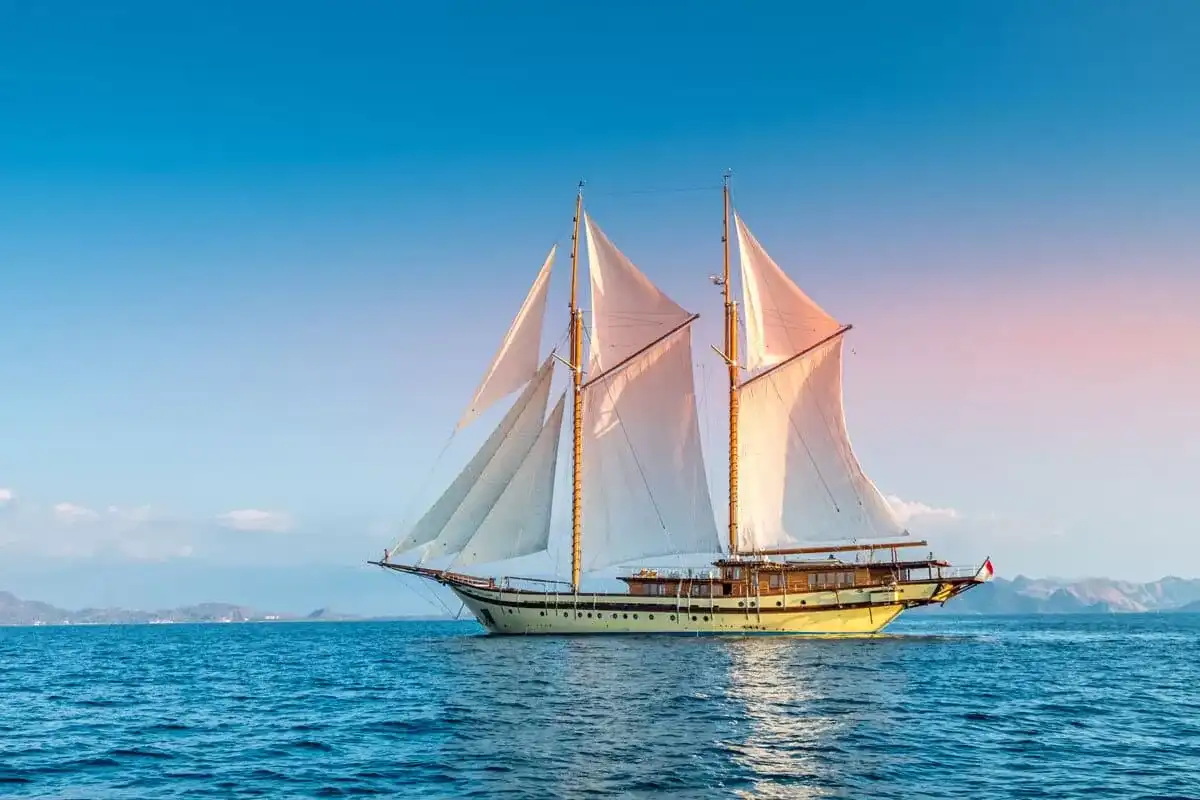
Yacht Investment Models and Ownership Structures in Komodo, Indonesia
Discover the benefits of yacht investments in Komodo, Indonesia. Learn about ownership models, local regulations, and…
Read more →Investing in Yacht Charters in Komodo and Labuan Bajo: High-Profit…
Discover the investment potential in yacht charters in Komodo and Labuan Bajo. Learn about profit opportunities,…
Read more →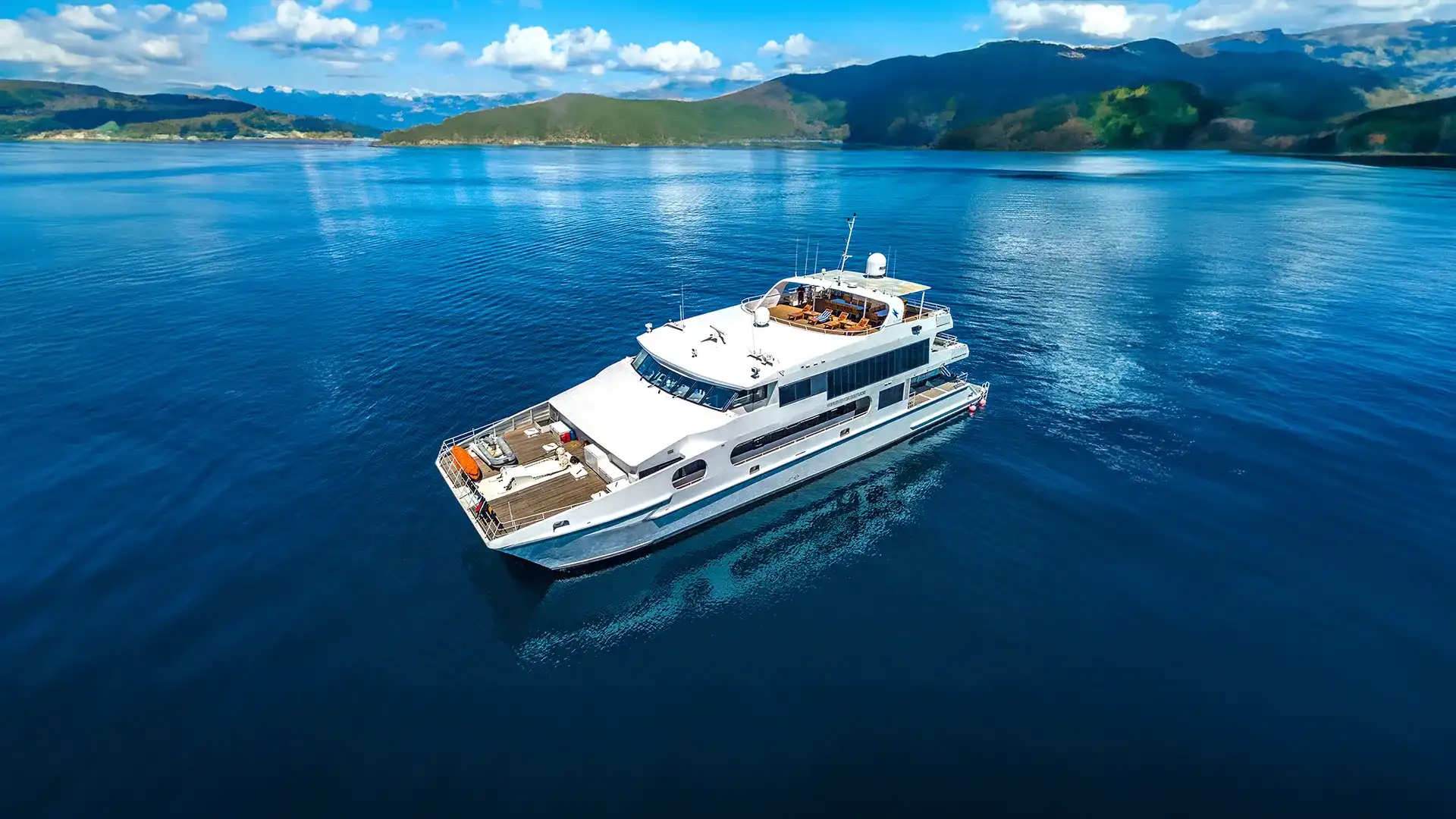
Is Owning a Yacht in Indonesia Worth It?
Discover the benefits and costs of yacht ownership in Indonesia, and how Boat Komodo Trip's Boat Investment Service can…
Read more →