
Where to See Them in the Wild
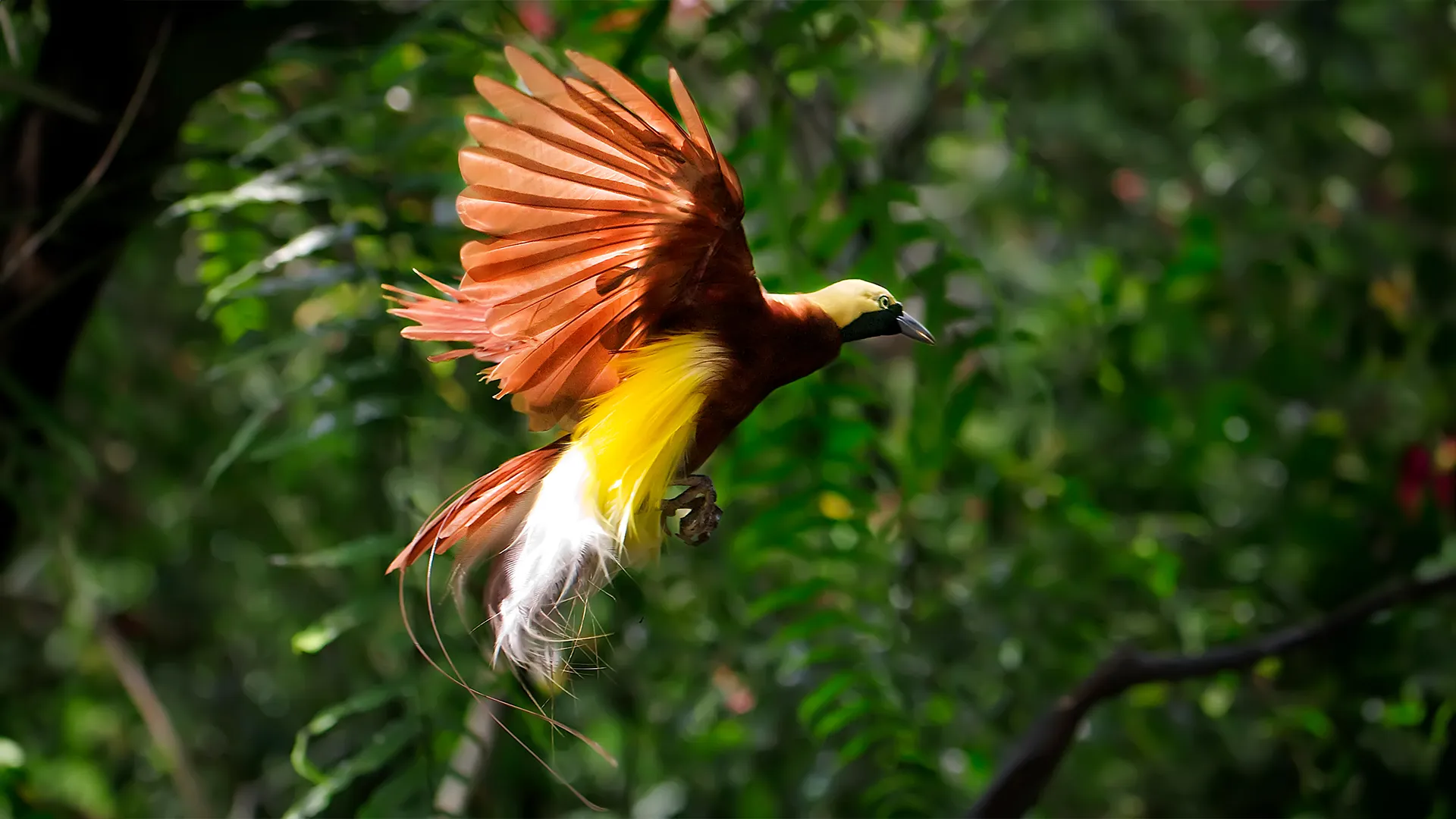
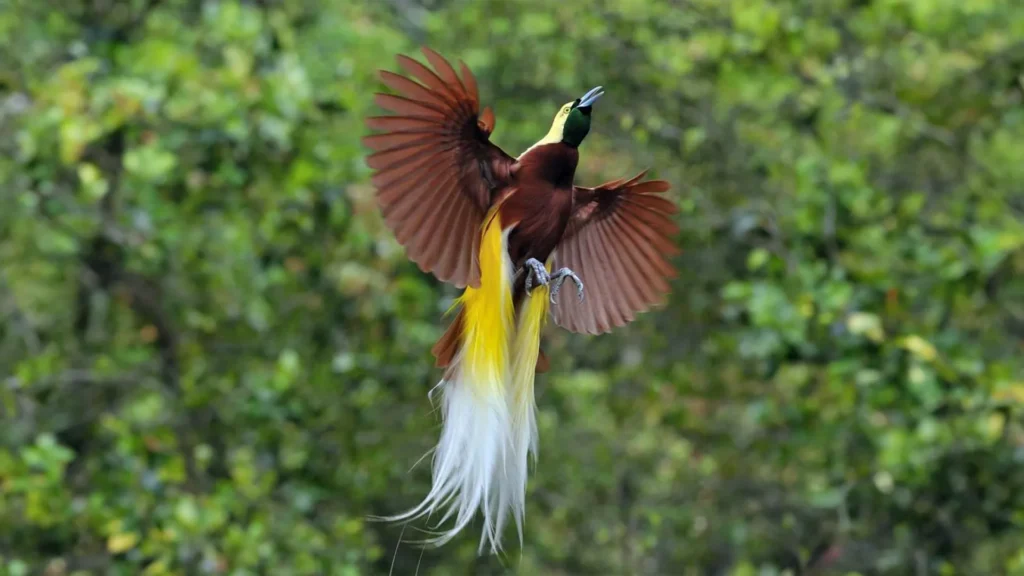
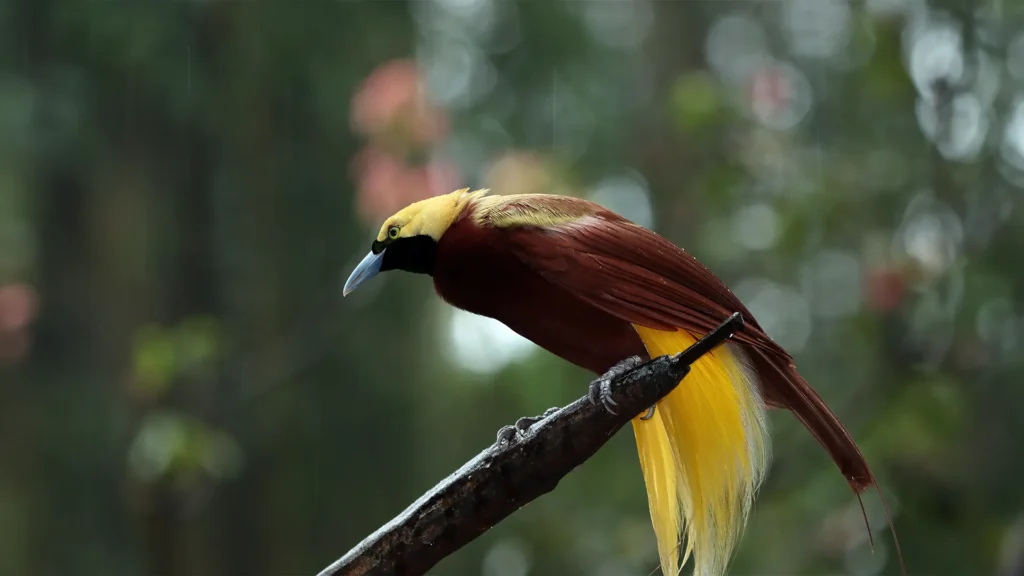
Of Indonesia’s 41 Bird of Paradise species, 37 live in Papua. But for accessible, well-preserved viewing, Raja Ampat stands apart. The archipelago’s isolation has protected both marine and terrestrial ecosystems, making it a sanctuary for endemic wildlife. Batanta and Gam Islands are the exclusive home of the Red Bird of Paradise, where guided pre-dawn hikes lead to known display sites deep in primary forest.
A Raja Ampat liveaboard with Boat Komodo Trip offers the most seamless way to experience this. You anchor near key islands, then go ashore with expert naturalists who know the birds’ routines. These trips balance marine exploration—snorkeling vibrant reefs—with rare terrestrial access, letting you witness both underwater and forest biodiversity in one journey.
How to Watch Responsibly
Birdwatching here demands patience and respect. These birds are sensitive to scent, sound, and movement. To increase your chances of a sighting without disruption, avoid perfumes or scented lotions—birds have sharp olfactory senses. Wear dark, non-reflective clothing to blend into the shadows. Move quietly, speak in whispers, and follow your guide’s cues.
Most viewing happens at dawn, when males are most active. You’ll wait silently behind foliage or low hides, using binoculars or a zoom lens. Never use playback calls—these stress the birds and alter natural behavior. By following ethical practices, you help protect these species while enjoying a moment few ever experience.
Gallery
Frequently Asked Questions
Where can I see Birds of Paradise in Indonesia?
What makes Birds of Paradise unique?
Can I go birdwatching on my own?
What should I wear or prepare for birdwatching?
Are Birds of Paradise culturally significant in Papua?
Related Blog Posts

Private Cruise Raja Ampat: Your Exclusive Escape in Indonesia's…
Discover luxury private cruises in Raja Ampat with Boat Komodo Trip. Sail Indonesia's marine paradise in comfort and…
Read more →Birdwatching in Indonesia: Why It Should Be on Your must-see
Discover rare birds and wild habitats across Indonesia. Plan your birdwatching adventure with expert tips on seasons,…
Read more →
Komodo to Raja Ampat: Your Adventure Awaits
Discover how to travel from Komodo to Raja Ampat, explore marine wonders, and choose the best liveaboard tour for your…
Read more →Piaynemo Island: A Tropical Paradise in Raja Ampat
Discover the unspoiled beauty of Piaynemo Island, a tropical paradise in Raja Ampat, Indonesia. Learn how to get there,…
Read more →Raja Ampat vs Galapagos: Which Island Paradise Suits You Best?
Compare Raja Ampat and Galapagos to choose the perfect island getaway. Explore Raja Ampat with Boat Komodo Trip for an…
Read more →