
The Grand Canyon’s Geological Majesty
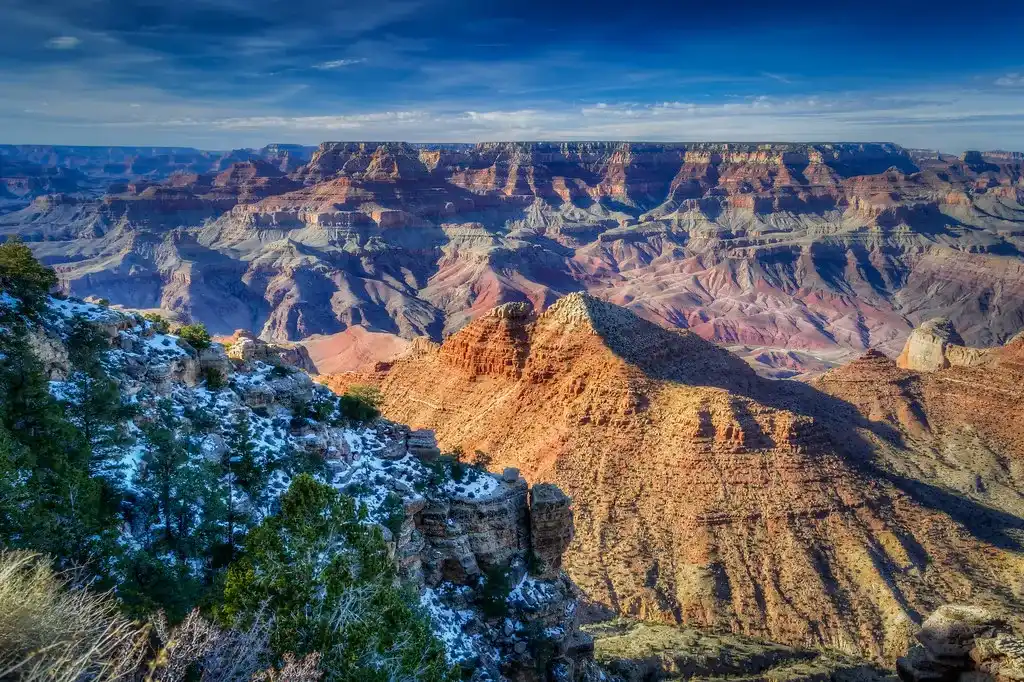
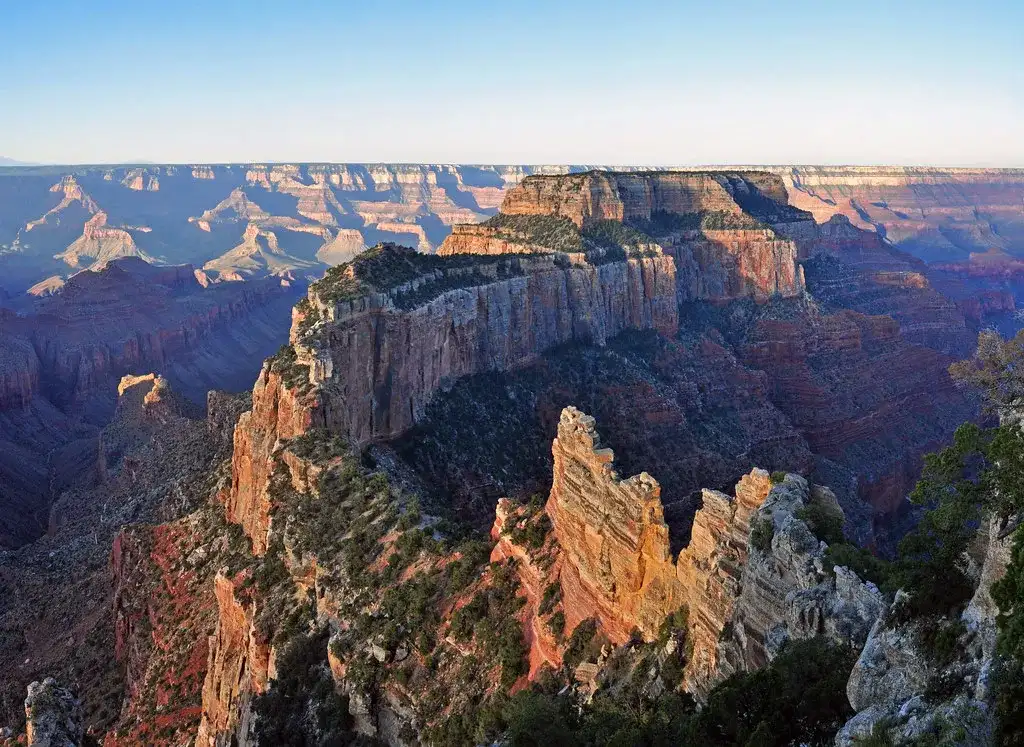
Stretching over 446 kilometers and plunging more than 1,800 meters deep, the Grand Canyon stands as one of the planet’s most dramatic geological records. Carved by the persistent flow of the Colorado River, its layered cliffs reveal nearly two billion years of Earth’s history. The Great Unconformity—a puzzling gap between 250-million-year-old and 1.2-billion-year-old rock layers—remains one of its most compelling mysteries, drawing geologists and curious travelers alike.
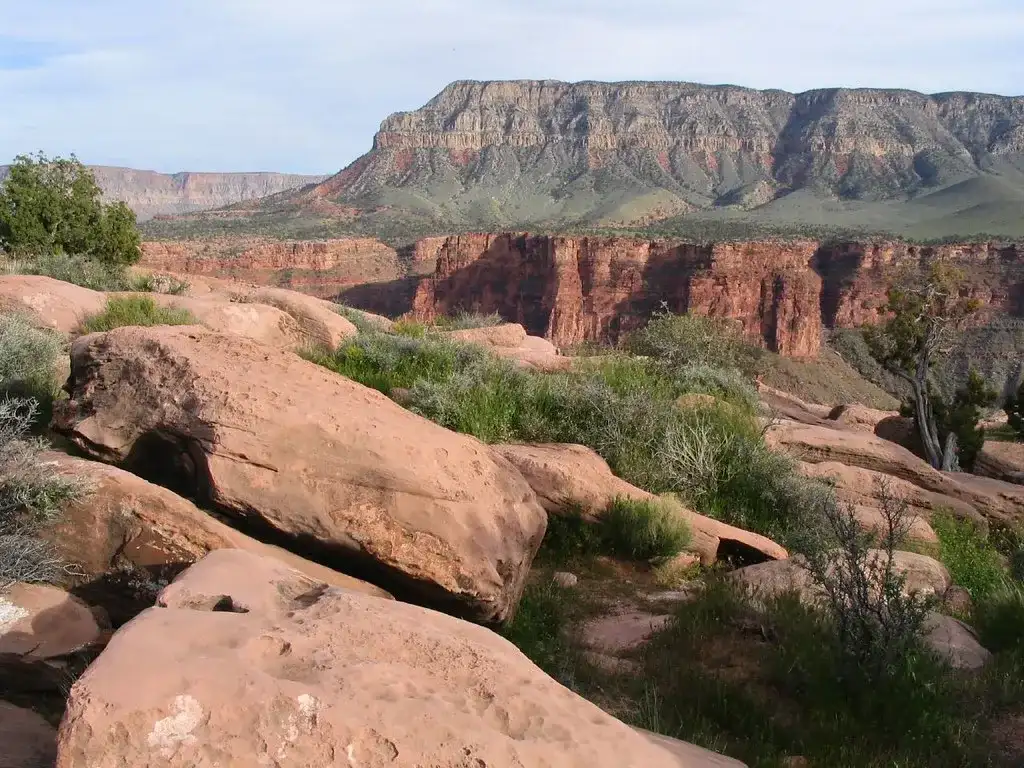
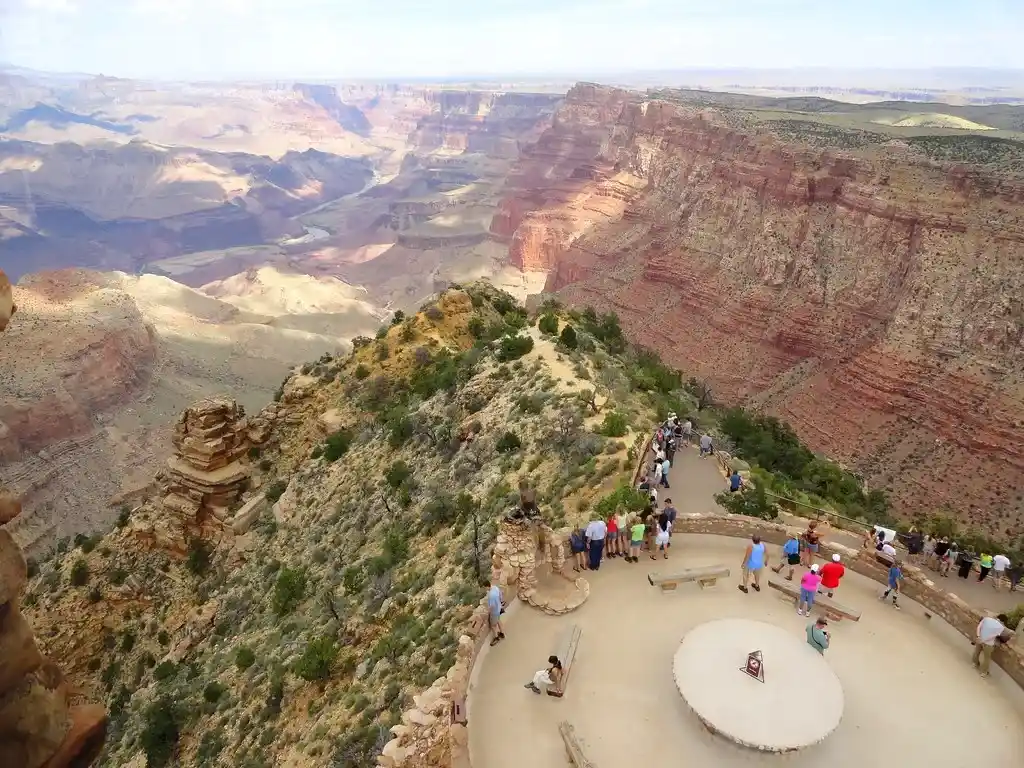
Visitors typically begin at the South Rim, the most accessible and popular vantage point, where sunrise paints the canyon in fiery hues. For those seeking solitude, the North Rim offers quieter trails and higher elevation views, though it’s only open seasonally due to harsh winter conditions. Remote areas like Tuweep require rugged 4x4 travel but reward with untouched panoramas.
Descending into the Inner Canyon via trails like Bright Angel or South Kaibab is a challenge reserved for seasoned hikers. At the bottom, the roaring Colorado River underscores the raw power that shaped this wonder. Along the South Rim, the Trail of Time transforms a walk into a journey through eons, with rock samples and interpretive signs marking key moments in geological history.
Life on the Edge: Wildlife and Exploration in the Grand Canyon
Beyond its staggering scale, the Grand Canyon sustains a surprising variety of life. Mule deer pick their way along cliff edges, bighorn sheep navigate steep terrain with ease, and the rare California condor—wingspan wider than a tall person is high—soars above the canyon walls. Birdwatchers might spot peregrine falcons or the vibrant plumage of the western bluebird.
Visitors engage with the canyon through more than just sightseeing. Ranger-led programs offer deep dives into the region’s ecology, Native American heritage, and geological evolution. Hermit Road, accessible by shuttle or bicycle, winds past secluded overlooks like Hopi Point and Pima Point, each revealing new angles of the canyon’s vastness. Desert View Drive adds another 40 kilometers of scenic stops, including the historic Desert View Watchtower designed by Mary Colter.
Photographers find endless inspiration here—whether capturing the interplay of light and shadow at dawn or the deep reds of rock layers at golden hour. Even a short walk along the Rim Trail delivers a profound sense of awe, making the Grand Canyon a destination that balances accessibility with wild grandeur.
Komodo National Park: Where Nature Defies Imagination
While the Grand Canyon tells a story written in stone, Komodo National Park unfolds a living narrative—one where dragons still roam and coral reefs teem with color. A UNESCO World Heritage Site since 1991, the park spans three major islands and dozens of smaller ones, sheltering the Komodo dragon, the world’s largest lizard. These ancient reptiles, reaching up to 3 meters, thrive in the dry savannas and coastal forests of Komodo and Rinca Islands, where guided treks allow safe, close observation.
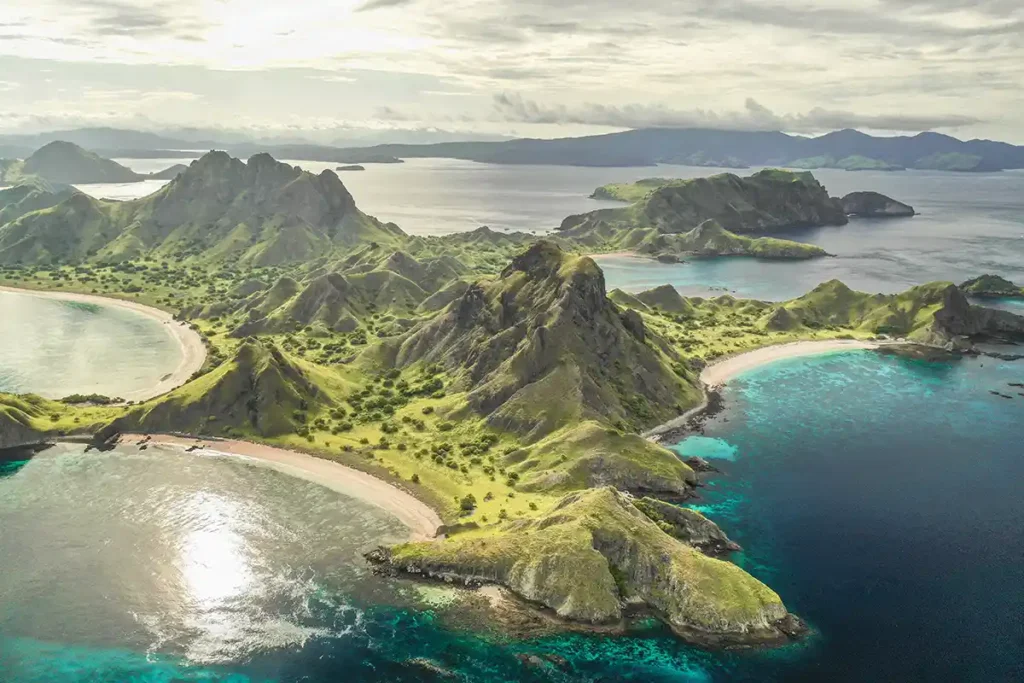
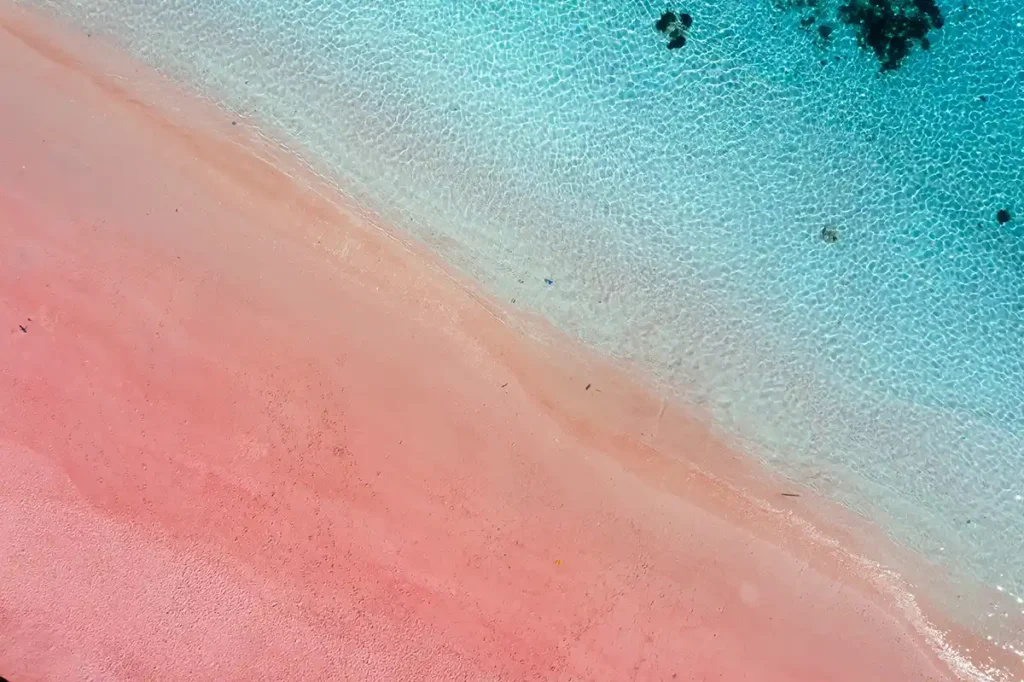
Padar Island, with its iconic triple-bay vista, draws hikers willing to climb its steep trail for a view often compared to a lost world. Below, Pink Beach glows with sand tinted by microscopic foraminifera—a rare phenomenon found in only a few places on Earth. Snorkelers float above coral gardens at Manta Point, where gentle giants glide through nutrient-rich currents.
The park’s biodiversity extends beyond the headline species. Endemic rats, long-tailed macaques, and 72 bird species—including the critically endangered yellow-crested cockatoo—call these islands home. Beneath the waves, Komodo sits in the heart of the Coral Triangle, hosting over 1,000 fish species and 260 types of coral. Island hopping by traditional phinisi boat reveals secluded coves, volcanic ridges, and beaches in shades of black, white, and rose.
Why Komodo Offers a Deeper Adventure
Komodo National Park doesn’t just rival the Grand Canyon—it expands what a natural wonder can be. Where the canyon excels in geological scale, Komodo delivers a multisensory experience: the rustle of dragons in dry grass, the chill of deep ocean upwellings, the crunch of pink sand underfoot. It’s a place where land and sea converge in dramatic fashion, offering not just views, but encounters.
Activities here are as varied as the landscape. Trekking to Padar’s summit at sunrise feels like stepping onto a film set, while diving at Castle Rock tests your buoyancy among swirling barracuda and reef sharks. Unlike the structured trails of the Grand Canyon, Komodo invites exploration by water, with multi-day liveaboard trips unlocking remote sites inaccessible to day visitors.
And while the Grand Canyon draws millions, Komodo remains relatively untouched, protected by its marine park status and managed visitor access. It’s not just a destination for sightseers, but for those who want to feel the pulse of a wilder Earth—one where nature still holds surprises.
Gallery
Frequently Asked Questions
What makes Komodo Island unique compared to other natural wonders?
Can you see Komodo dragons up close?
Is snorkeling in Komodo suitable for beginners?
How does Komodo National Park protect its wildlife?
Related Blog Posts
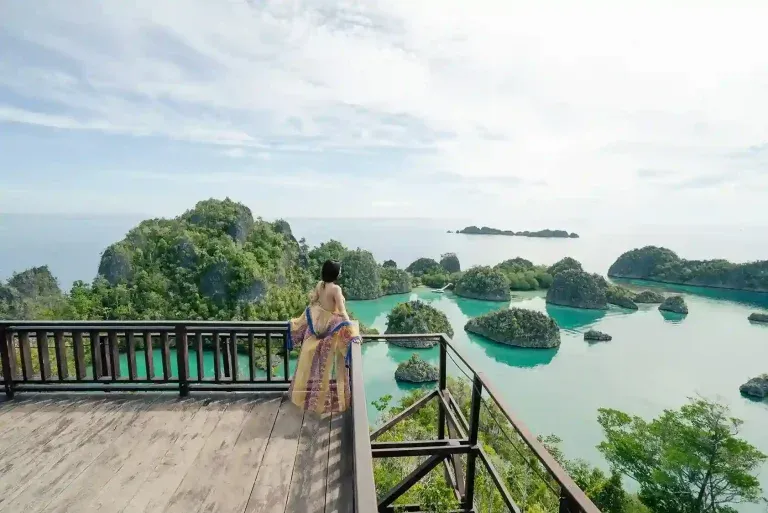
Komodo to Raja Ampat: Your Adventure Awaits
Discover how to travel from Komodo to Raja Ampat, explore marine wonders, and choose the best liveaboard tour for your…
Read more →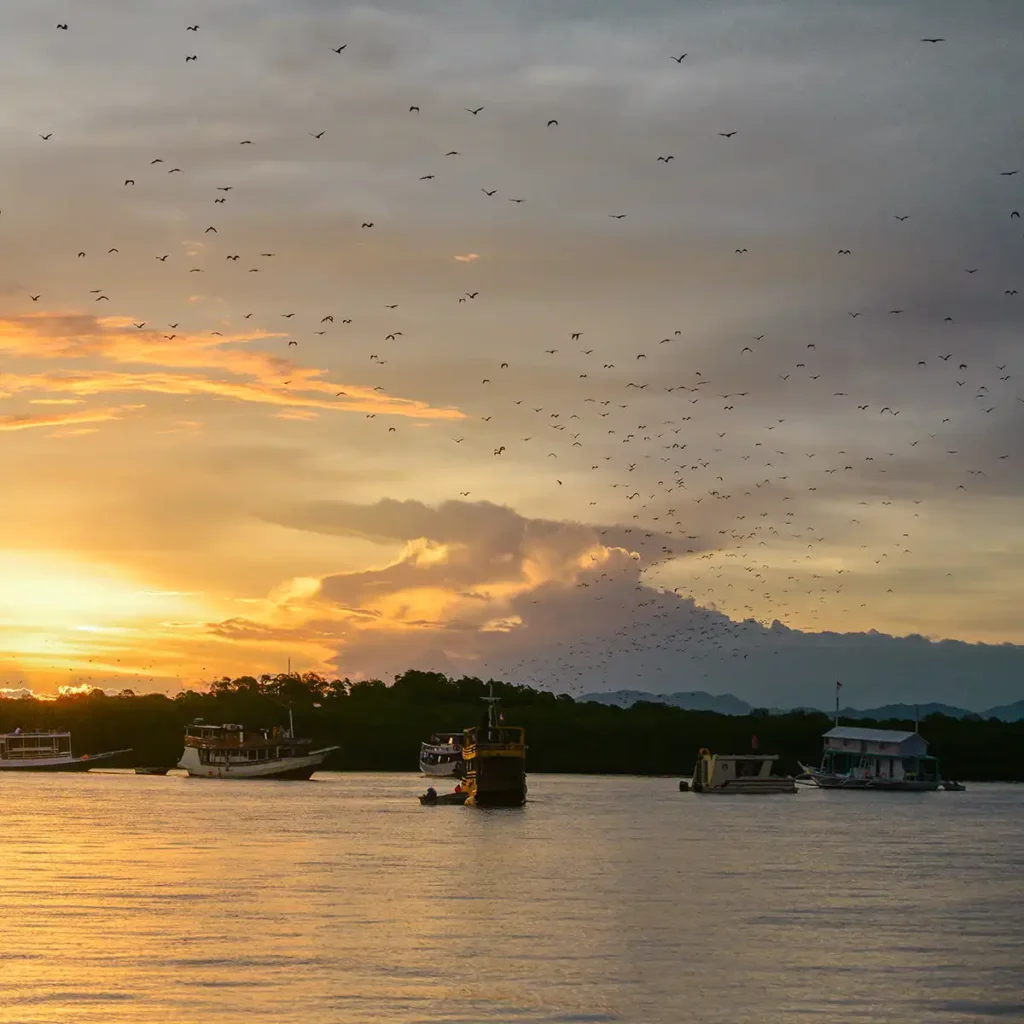
Solo Travel on Komodo Island: Your Ultimate Adventure Awaits
Explore the best of Komodo Island as a solo traveler. Join an open trip or plan your itinerary with expert tips and…
Read more →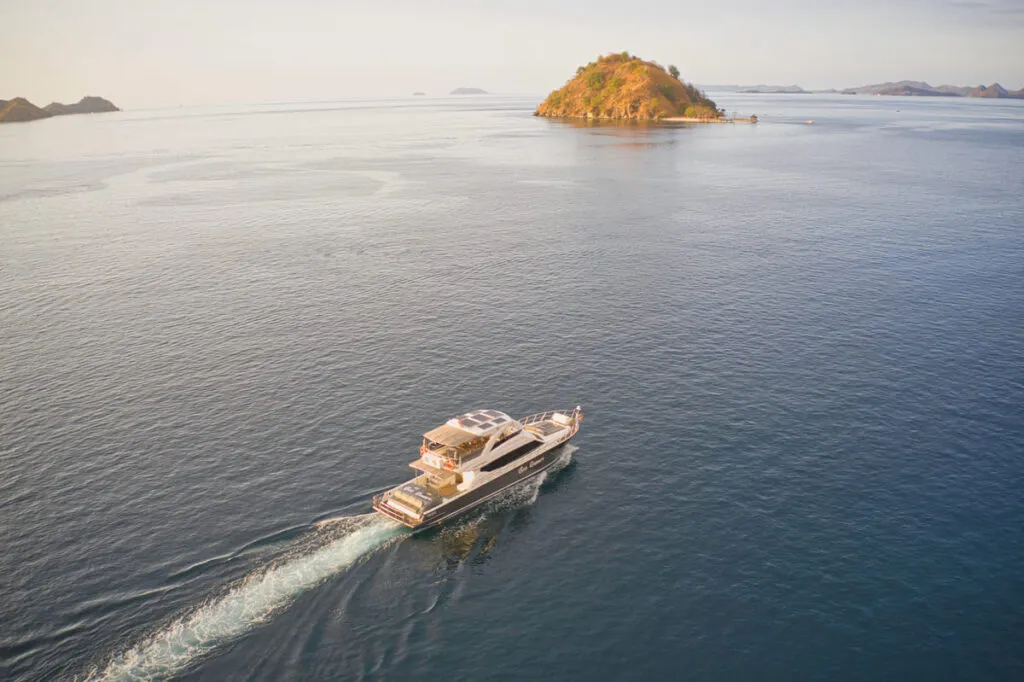
One Day Trip from Singapore to Komodo – Unforgettable Adventure Awaits
Explore Komodo Island's breathtaking natural beauty, Komodo dragons, and exciting activities in just one day. Book your…
Read more →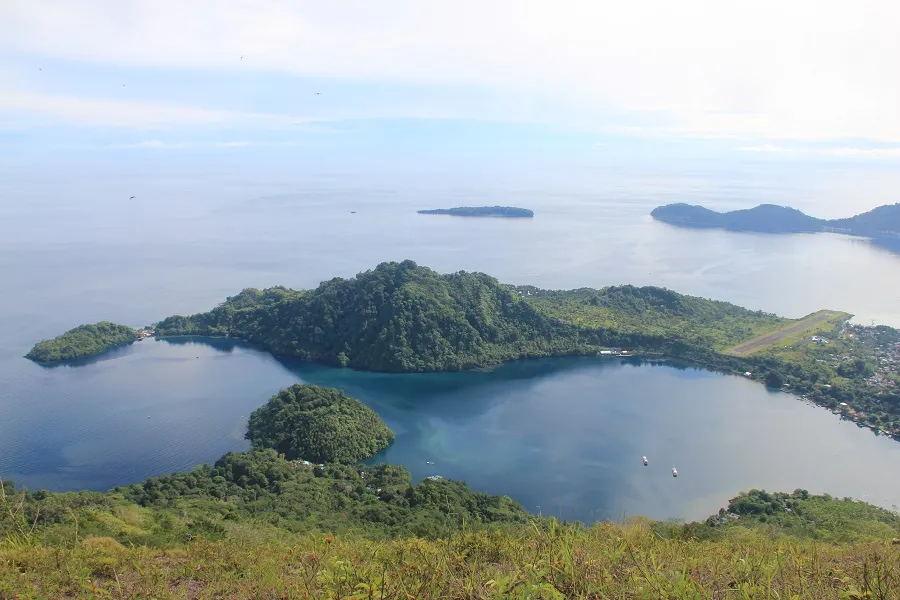
Best Yacht Charter Destinations Indonesia: Sailing Paradise Awaits
Discover Indonesia’s top yacht charter destinations with Boat Komodo Trip. Sail turquoise waters, explore hidden…
Read more →
Komodo Island Honeymoon for Korean Couples: Unforgettable Romance…
Experience a unique and romantic honeymoon on Komodo Island, Indonesia. Encounter Komodo dragons, snorkel in pristine…
Read more →