
Underwater Moments and Golden-Hour Magic
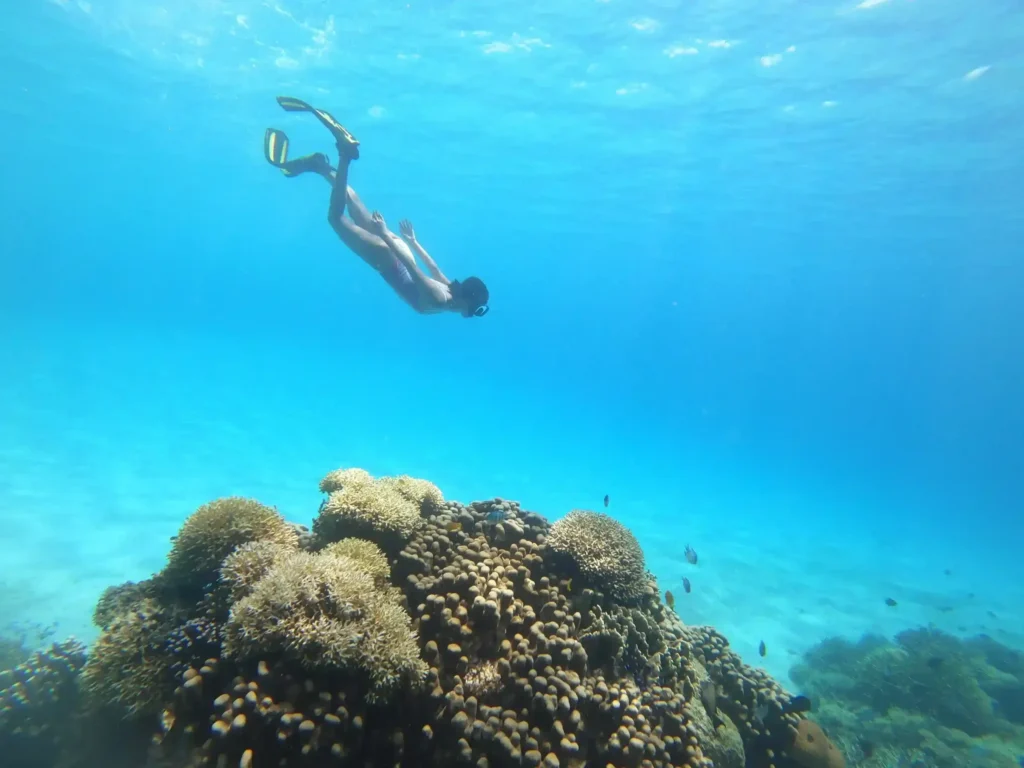
Beneath the surface, Manta Point delivers some of the most dynamic photo opportunities in the region. Snorkelers and divers float above cleaning stations where manta rays glide in slow, weightless loops. To capture their full wingspan, position yourself slightly below and use a wide lens. Natural light is strong here, but avoid flash—it can startle the animals. The best visibility runs from April to November, when currents are stable and the water clarity peaks.
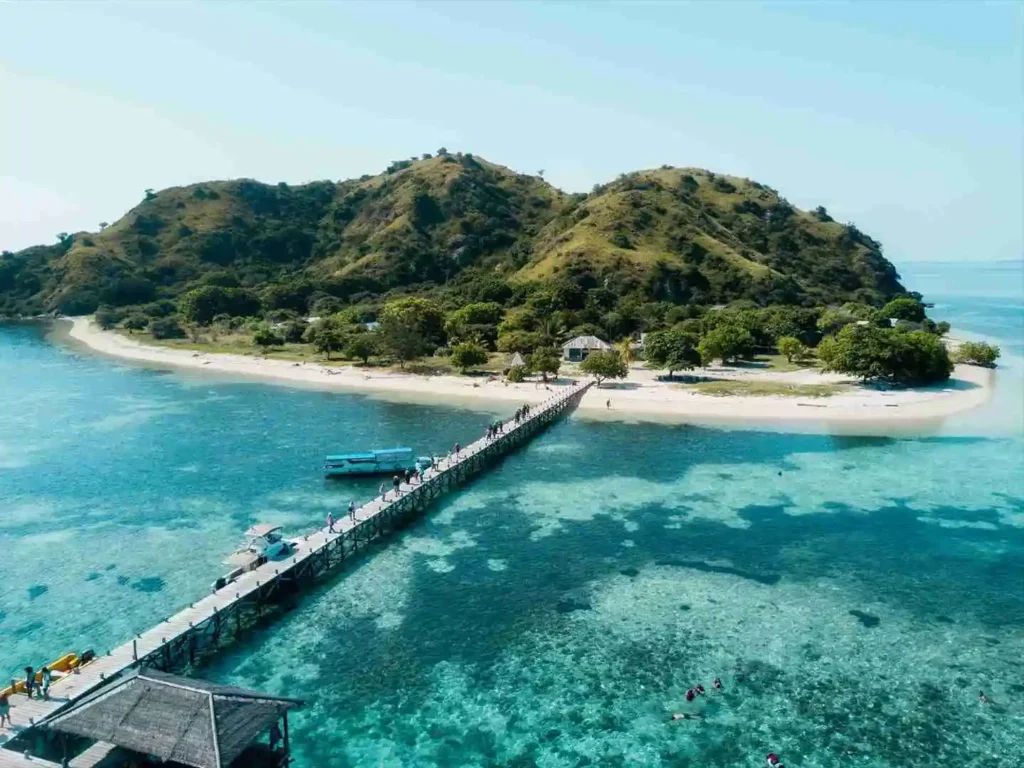
As day fades, Kalong Island transforms into a golden-hour spectacle. Thousands of fruit bats stream from mangrove canopies at dusk, backlit by the setting sun. Shooting from a boat gives you flexibility—frame the bats against the fiery sky or include the silhouette of the trees for added drama. A few nautical miles away, Gili Lawa offers a more tranquil sunset, with rolling hills and scattered islets creating layered depth in long-exposure shots. For drone users, Kanawa Island’s compact beauty—powdery beach, shallow lagoons, coral-rich waters—makes it a top pick for aerial storytelling.
Gallery
Frequently Asked Questions
When is the best time of day to photograph Padar Island?
Can I swim and take photos at Manta Point?
Do I need a drone permit for photography in Komodo National Park?
Is Pink Beach really pink?
Related Blog Posts
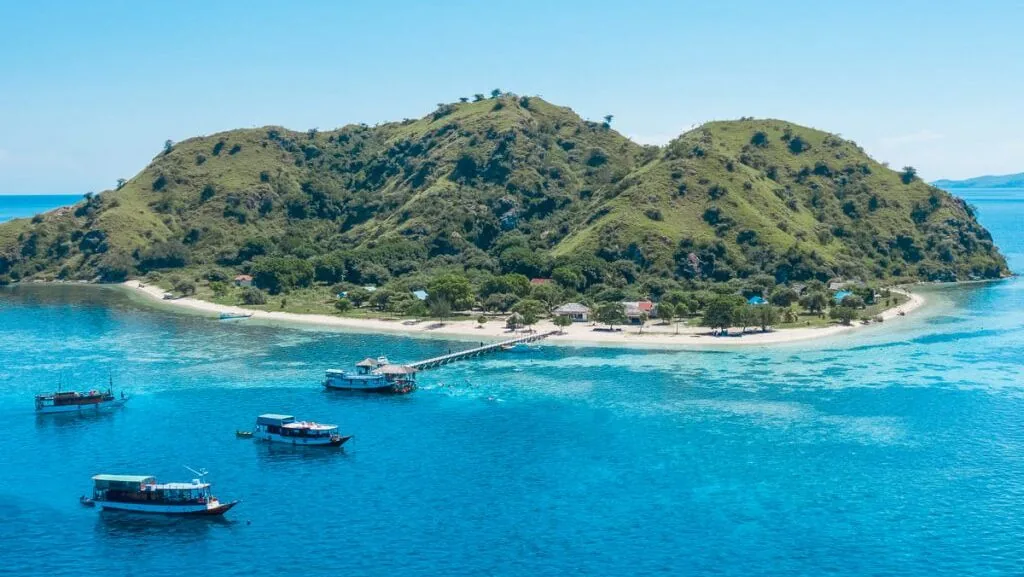
Discover the Secret Spots of Komodo National Park
Explore the top 5 lesser-known spots in Komodo National Park, including Kanawa Island, Sebayur Kecil, and Siaba Island,…
Read more →The Best Spots for Sunrise and Sunset in Komodo You Can't Miss!
Discover the best spots for sunrise and sunset in Komodo National Park, including Padar Island, Kalong Island, Pink…
Read more →Why Choose a Boat Tour for Komodo Island?
Discover the benefits of choosing a boat tour for Komodo Island with Boat Komodo Trip. Explore remote beaches, snorkel…
Read more →12 Best Sunset Spots in Komodo Island & Labuan Bajo
Chase golden hour across Komodo’s most scenic lookouts. Discover 12 authentic sunset spots — from Pink Beach to Phinisi…
Read more →
My Komodo Island Tour Review: Choosing the Best Tour Operator
Discover the ultimate Komodo Island tour experience with Boat Komodo Trip. Learn from my personal journey and get…
Read more →