
Why Yacht Investment Makes Sense Today
Travel priorities have shifted. More people value privacy, autonomy, and meaningful experiences over traditional luxury. This has fueled demand for private yachts, where guests control their itinerary, avoid crowded resorts, and access remote destinations like Komodo and Raja Ampat with ease. Yachts offer a rare combination: personal fulfillment and income potential.
At the same time, global interest in Indonesia’s marine tourism is accelerating. As one of the world’s most biodiverse archipelagos, it draws high-end travelers seeking authenticity and adventure. This growing market creates strong conditions for charter revenue, making now a strategic moment to consider yacht ownership as more than just a personal indulgence.
5 Real Benefits of Yacht Investment
Yacht ownership, when approached with the right strategy, goes far beyond leisure. It can generate income, appreciate in value, and even offer tax advantages. These five benefits reveal why more investors are turning to yachts as a dynamic asset class.
First, dual-use functionality allows owners to enjoy private getaways while renting the vessel during idle periods. Second, chartering in premium destinations like Indonesia can yield substantial passive income, with weekly rates reaching tens of thousands of dollars for high-end experiences. Third, Indonesia’s unique blend of natural beauty, cultural heritage, and growing tourism infrastructure makes it an ideal location for long-term demand.
Fourth, well-maintained yachts—especially crafted phinisi models—retain or increase in value over time due to limited supply and high guest demand. Finally, when structured properly, a yacht can qualify as a business asset, allowing deductions on operating expenses and depreciation, potentially reducing taxable income.
Maximizing Your Yacht’s Financial Potential
Owning a yacht is just the beginning. To truly benefit, you need a clear operational strategy. The most successful yacht investments combine smart design, strategic placement, and professional management.
Start by choosing a design that appeals to charter guests: multiple cabins, outdoor living spaces, diving equipment, and modern amenities. In Indonesia, phinisi-style yachts stand out for their heritage and visual appeal. Next, select a home port aligned with peak travel seasons—Bali for year-round access, Raja Ampat for eco-luxury charters during the dry months.
Build a strong brand identity that tells a story. Guests don’t just book a boat—they invest in an experience. Consistent visuals, a compelling name, and a clear narrative help your yacht stand out. Partner with a professional management team to handle bookings, maintenance, and crewing. This ensures smooth operations and high guest satisfaction, which drives repeat bookings and referrals. Finally, track performance metrics like occupancy rate, revenue per trip, and guest reviews to refine your strategy over time.
Pricing
Rates as published on our legacy listing. Contact us for current availability, seasonal rates, and private-charter offers.
| Category | Price |
|---|---|
| 2. Passive Income Stream from High-End Chartering High | $4,000 |
Frequently Asked Questions
Can a yacht really generate passive income?
Why invest in a yacht in Indonesia?
Do yachts hold their value over time?
Are there tax benefits to yacht ownership?
Related Blog Posts

Yacht Investment Models and Ownership Structures in Komodo, Indonesia
Discover the benefits of yacht investments in Komodo, Indonesia. Learn about ownership models, local regulations, and…
Read more →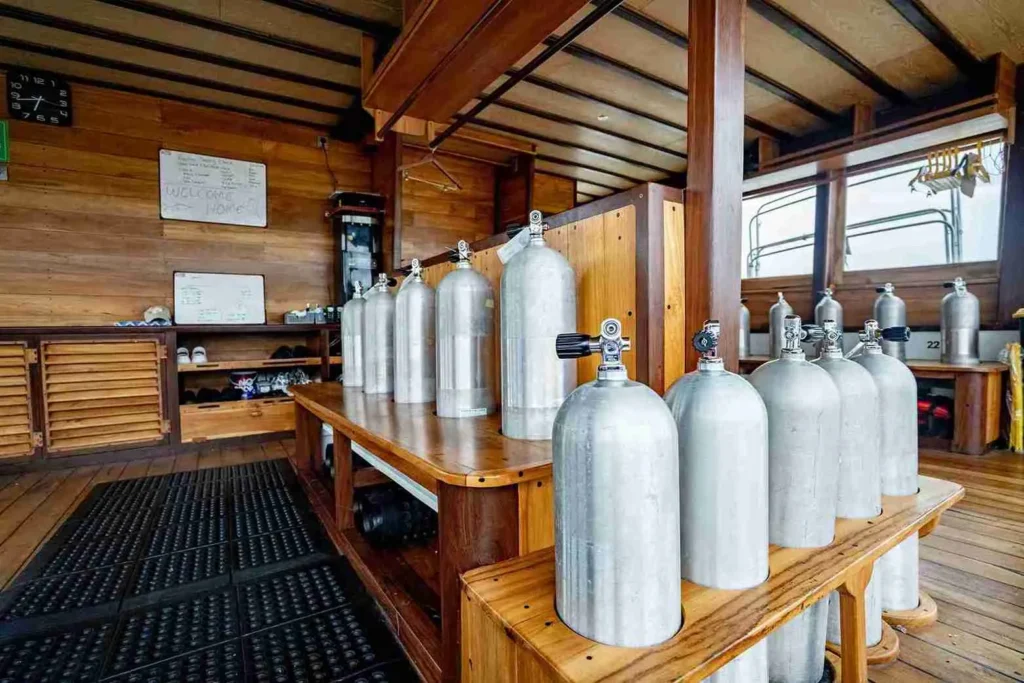
Boat Investment in Indonesia: Profiting from Luxury Tourism
Discover profitable boat investment opportunities in Indonesia. Leverage growing demand in Bali, Labuan Bajo, and Raja…
Read more →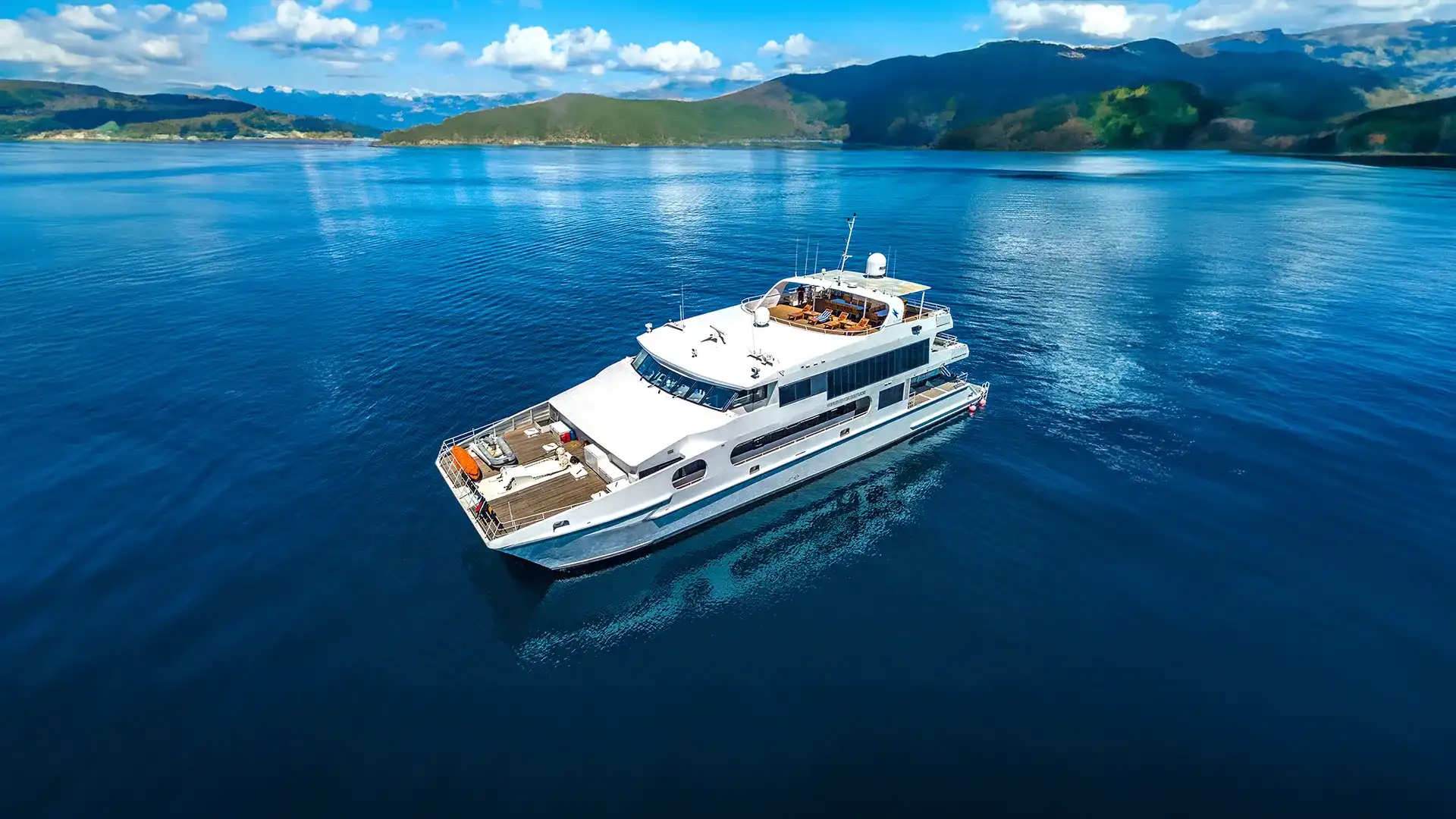
Is Owning a Yacht in Indonesia Worth It?
Discover the benefits and costs of yacht ownership in Indonesia, and how Boat Komodo Trip's Boat Investment Service can…
Read more →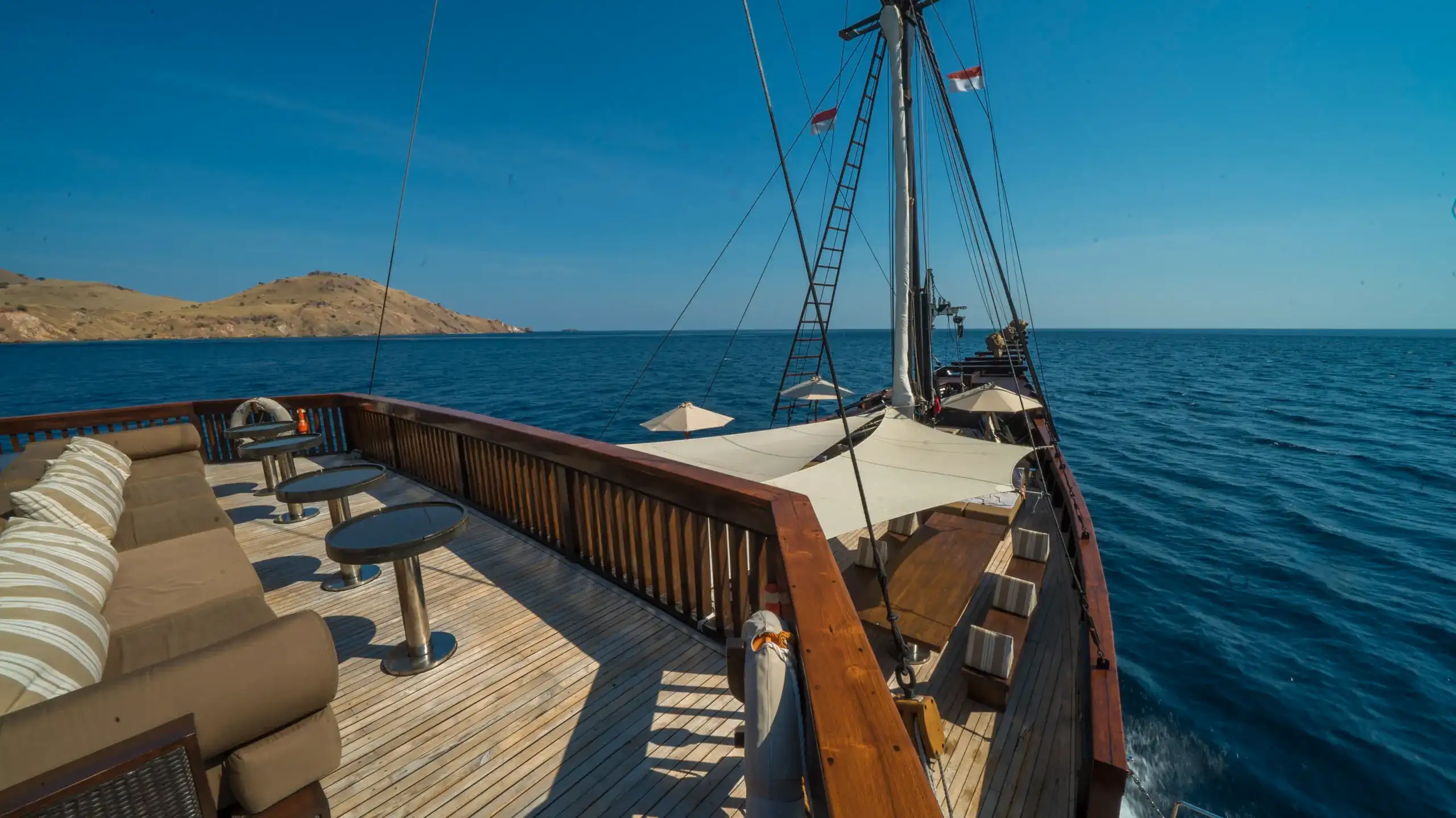
Best Time to Charter a Private Yacht in Komodo 2026
Discover the ideal months to charter a private yacht in Komodo for calm seas, clear waters, and unforgettable marine…
Read more →
Invest Komodo: Unlock Premium Land & Property Investment…
Discover premium land and property investment opportunities in Labuan Bajo, backed by strong government support and…
Read more →