
The Discovery of Batu Cermin Cave
Discovered in 1951 by Dutch archaeologist Theodore Verhoeven, Batu Cermin Cave has long held both geological and cultural significance. Located only 4 km from central Labuan Bajo, it’s easily reached yet feels worlds away. Its limestone chambers have quietly preserved natural artistry shaped over millennia, offering a rare glimpse into the island’s ancient past—long before tourism put Flores on the map.
Why the Name ‘Batu Cermin’ Sticks
The cave earns its name—Batu Cermin, or ‘Mirror Rock’—from a fleeting morning phenomenon. Between 9 and 11 a.m., sunlight slips through narrow fissures in the cave’s ceiling, striking the pale limestone walls. The result? A radiant glow that bounces across the surface like reflections in a mirror. This natural light show transforms the cave into a luminous chamber, drawing photographers, nature lovers, and curious travelers alike.
What Makes This Cave Unique
Beyond the mirror effect, Batu Cermin stands out for its well-ventilated interior and rich formations. Stalactites and stalagmites rise from floor and ceiling, some shaped by time into forms that spark the imagination—resembling animals, faces, or ancient sculptures. Natural airflow keeps the cave fresh, avoiding the damp heaviness common in underground spaces. Combined with the soft play of light and silence, it creates a serene, almost meditative atmosphere rarely found in popular destinations.
How to Visit Batu Cermin Cave
To truly appreciate the cave’s mirror effect, arrive between 9 and 11 a.m. Wear sturdy shoes—the path is rocky and uneven underfoot. While the entrance is well-lit, bring a flashlight to explore dimmer corners safely. Local guides are available on-site and offer valuable context about the cave’s history and geology. Don’t forget water; even short walks in Labuan Bajo’s tropical heat demand hydration.
Extend Your Journey to Wae Rebo Village
After Batu Cermin, consider a mountain ascent to Wae Rebo, a traditional Manggarai village nestled in the highlands of Flores. Known as the ‘Village Above the Clouds,’ it’s surrounded by mist and thick forest, with seven cone-shaped houses that reflect centuries-old customs. Recognized by UNESCO for its cultural value, Wae Rebo offers intimate encounters with local life, song, and ancestral wisdom—an ideal contrast to coastal exploration.
Frequently Asked Questions
What does ‘Batu Cermin’ mean?
When is the best time to see the mirror effect?
Is Batu Cermin Cave suitable for all ages?
Can I visit Wae Rebo on a day trip from Labuan Bajo?
Related Blog Posts
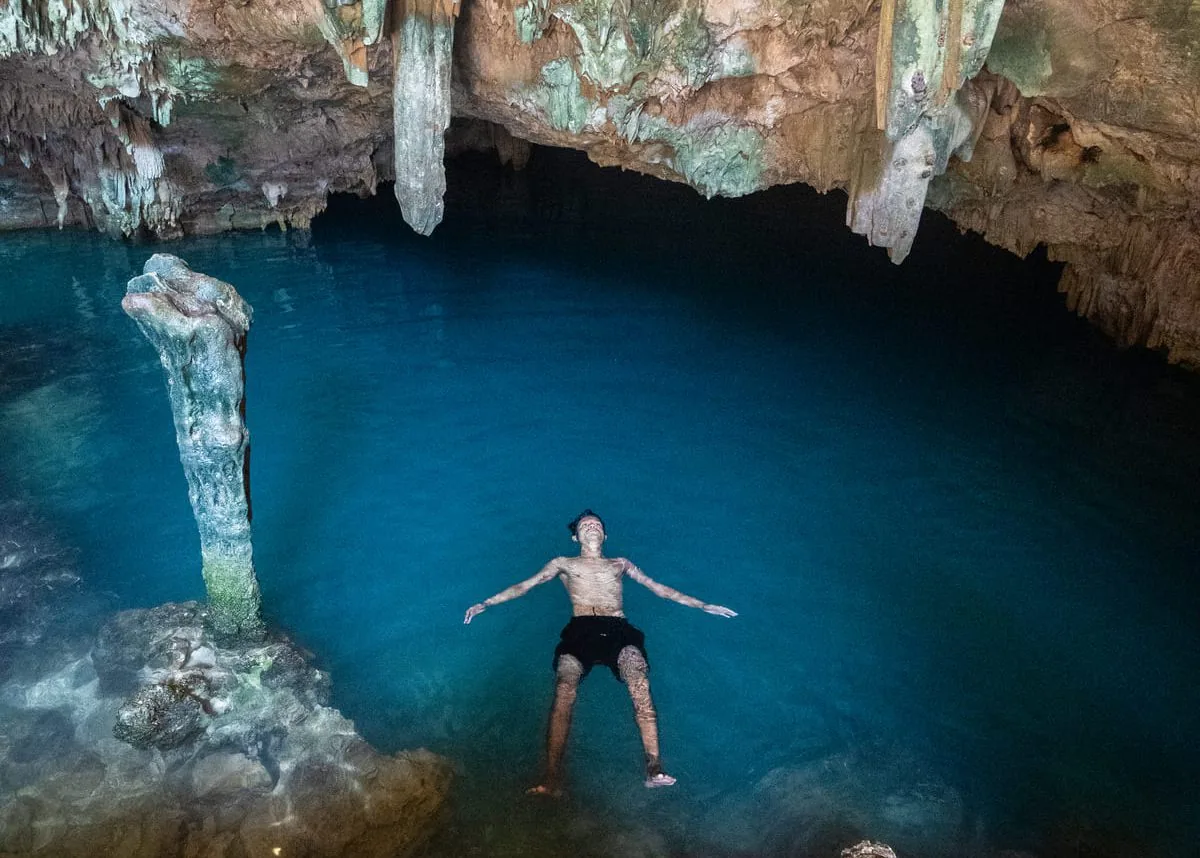
Discover the Natural Blue Cave Pool in Labuan Bajo Flores – Rangko…
Swim in the glowing blue waters of Rangko Cave near Labuan Bajo. Discover how to visit, when to go, and combine it with…
Read more →
Batu Bolong Komodo: Discover the Best Dive Spot in Komodo Island
Discover why Batu Bolong Komodo is Indonesia’s top dive site. Vibrant coral, rich marine life, and thrilling currents…
Read more →
Bali to Komodo Island 2026: Your Complete Travel Guide
Plan your 2026 journey from Bali to Komodo Island with trusted routes, flight insights, and local tips. Start your…
Read more →
Komodo Boat Tour: Complete Guide to Komodo National Park with Boat…
Discover essential tips, rules, and highlights for your Komodo boat tour. Plan wisely and explore with confidence.…
Read more →From Australia to Komodo Island: A Complete 2026 Guide
Plan your 2026 trip from Australia to Komodo Island with confidence. Discover flights, boat tours, and expert tips for…
Read more →