
Wildlife Showdown: What You’ll Actually See
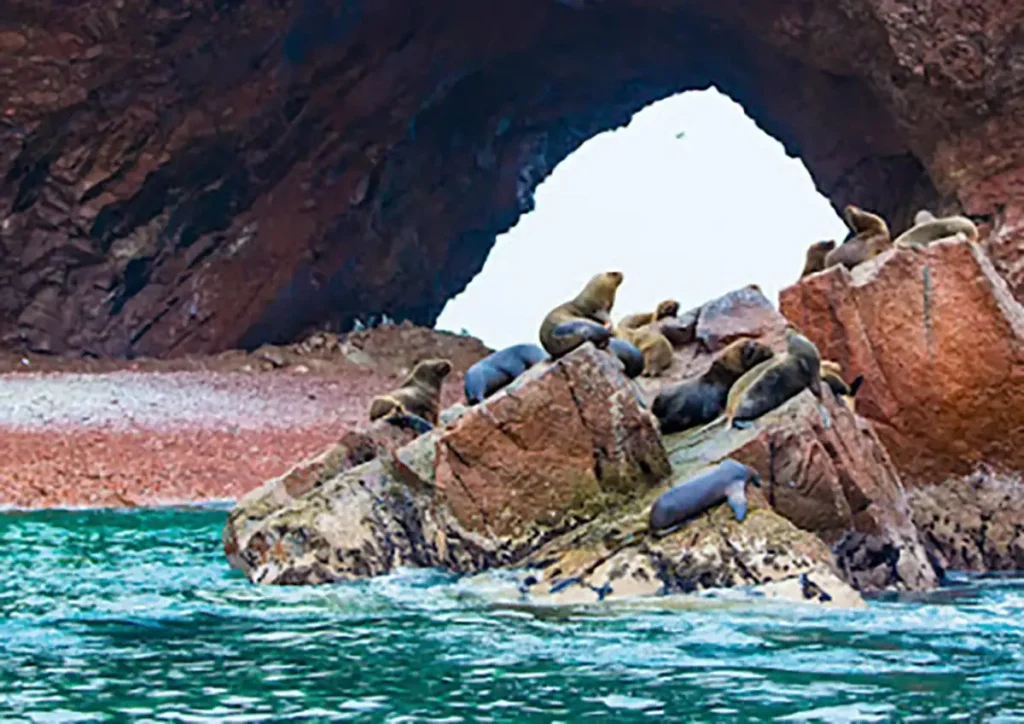
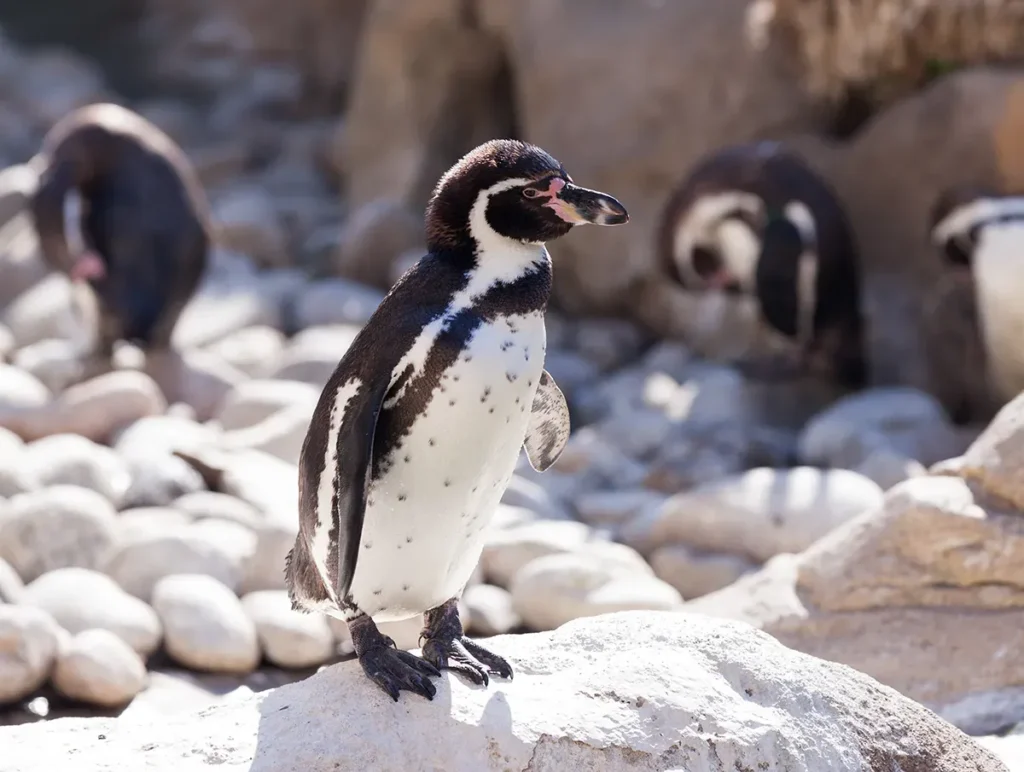
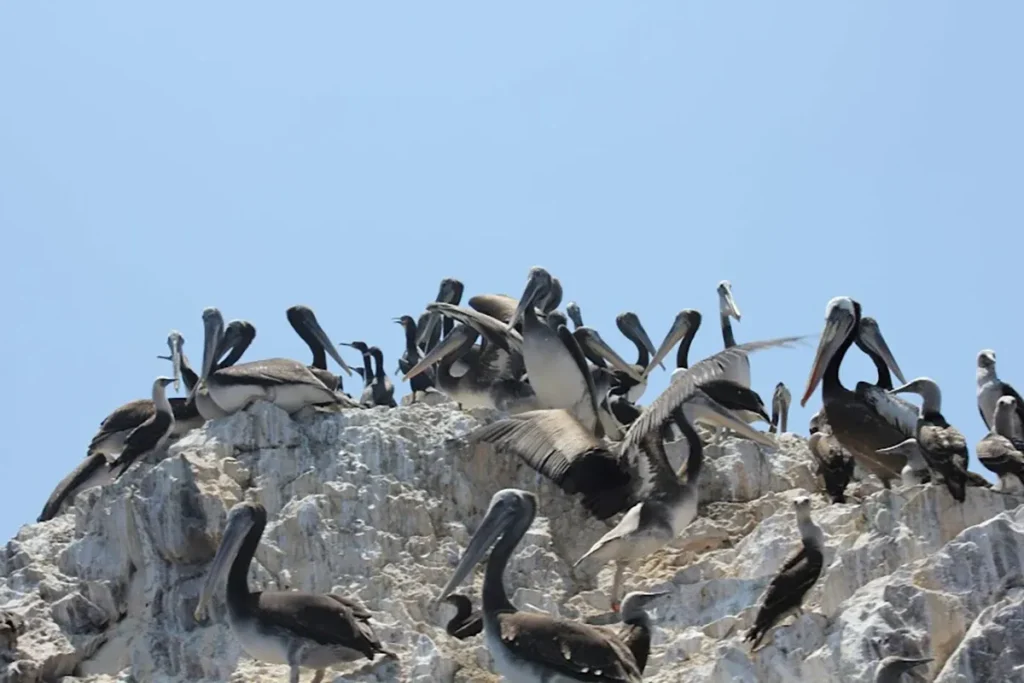
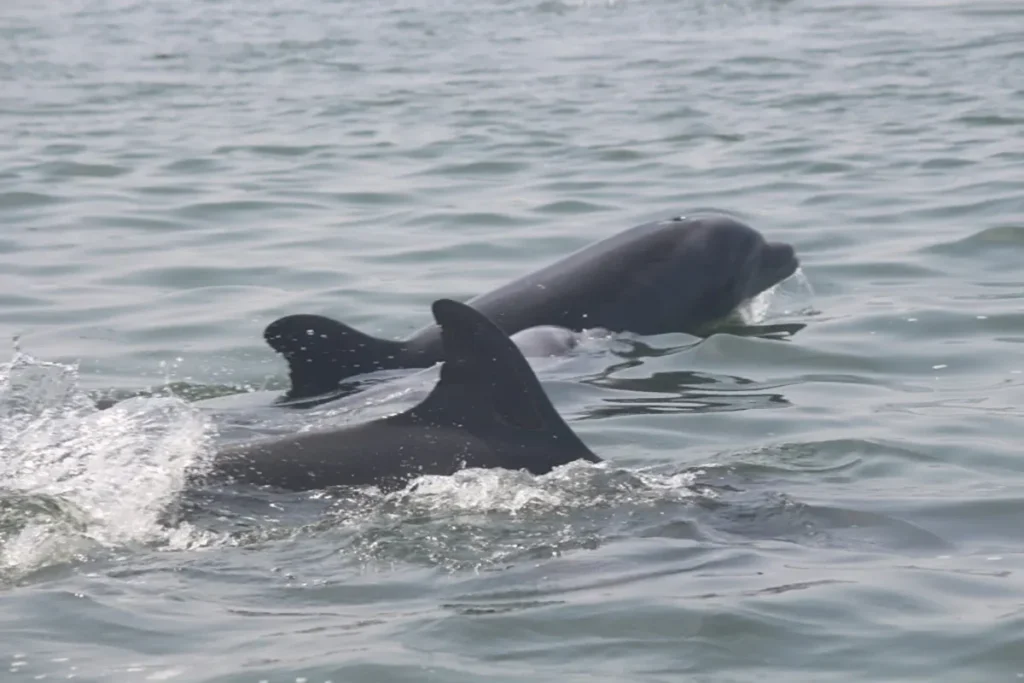
The Ballestas Islands offer a concentrated burst of coastal wildlife. From the boat, you’ll spot lounging sea lions, colonies of guanay cormorants, and the rare Humboldt penguin—adapted to arid shores north of the equator. Dolphins often ride the bow wave, and Inca terns with their signature white plumes glide past. It’s a dynamic, surface-level spectacle shaped by the cold Humboldt Current.
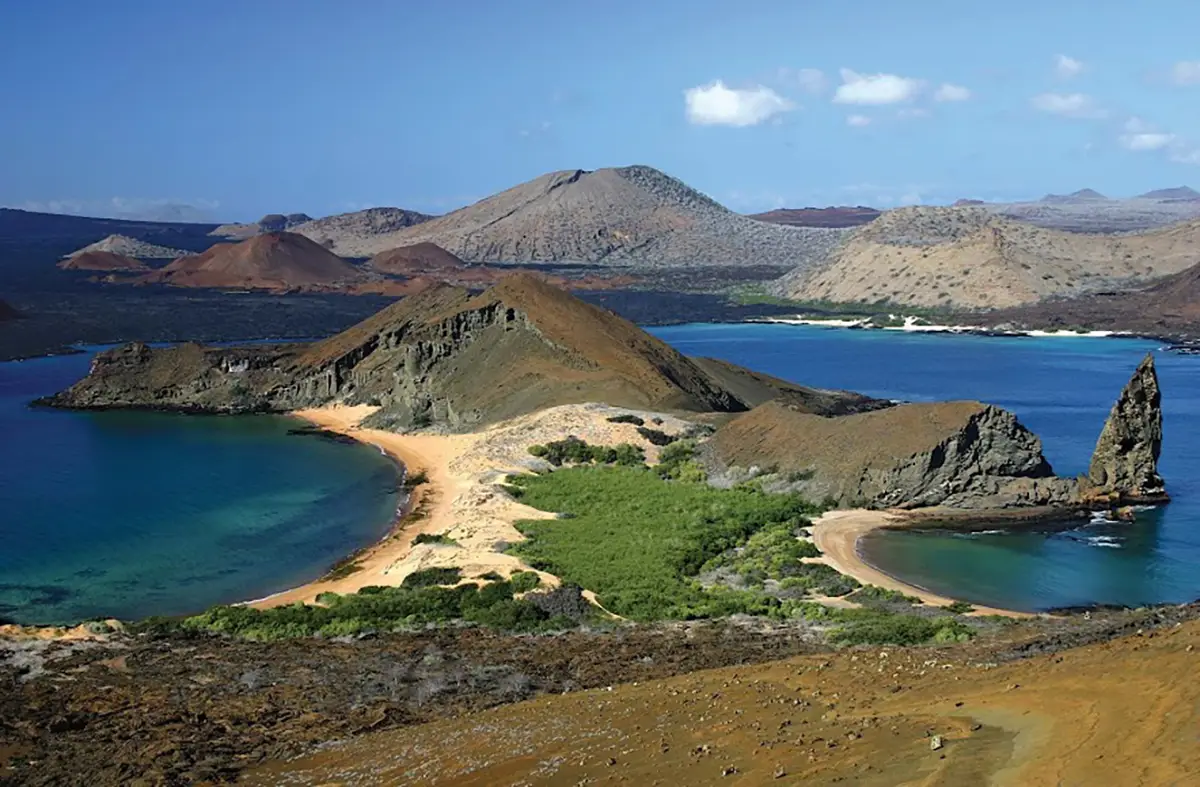
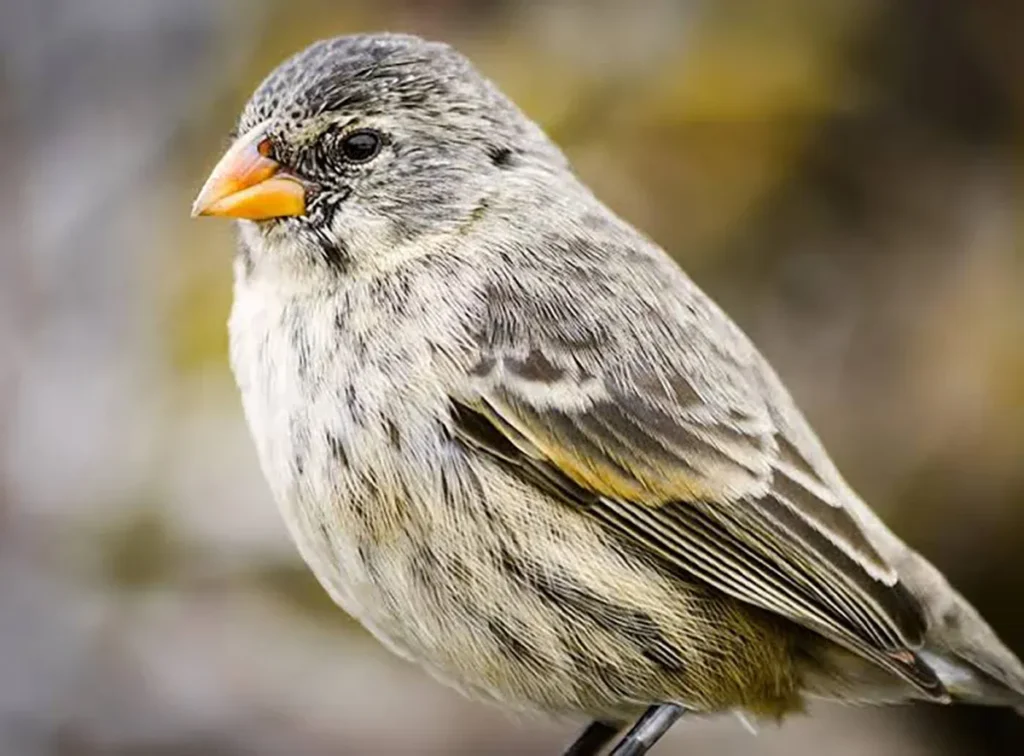
The Galapagos, in contrast, unfolds like a living textbook. Here, evolution plays out in real time. You can stand meters from marine iguanas basking on black lava rocks, snorkel beside playful sea lion pups, and watch blue-footed boobies perform their comical mating dance. The recent rediscovery of a female Chelonoidis phantasticus—thought extinct for over a century—on Fernandina Island underscores how much remains to be understood. Endemism defines the archipelago: 97% of its reptiles and 80% of its land birds exist nowhere else.
Activities: Day Trip vs Deep Immersion
A visit to the Ballestas Islands is streamlined: a two-hour boat ride from Paracas is the standard. There’s no landing—just a slow cruise through sea caves and along cliffs, with guides pointing out wildlife from deck. It’s ideal for travelers short on time or those adding wildlife to a broader Peruvian itinerary.
Galapagos travel is inherently immersive. Multi-day cruises or island-hopping itineraries allow for daily landings, guided hikes, and multiple snorkeling sessions. You might kayak through mangroves at dawn, hike up a volcanic crater, or swim with sea turtles by afternoon. The rhythm of life slows, syncing with tides and wildlife patterns. This depth of engagement transforms sightseeing into a sustained encounter with wildness.
Travel Logistics and True Cost
Reaching the Ballestas is straightforward. Paracas sits just a few hours’ drive south of Lima. From there, small boats depart daily for the islands. A full-day package including transport and tour rarely exceeds $50, with budget lodging in Paracas starting around $30 per night. It’s one of South America’s most accessible wildlife experiences.
The Galapagos demand more planning and investment. You’ll fly from Quito or Guayaquil to Baltra or San Cristóbal, with round-trip airfares often topping $500. Upon arrival, a $100 park entrance fee applies. Accommodation varies widely—simple guesthouses to high-end eco-lodges—but even modest options are pricier than mainland Ecuador. A week-long cruise can range from $2,000 to over $5,000, depending on vessel and inclusions. The cost reflects not just access but the infrastructure required to protect a fragile ecosystem.
Conservation, Culture, and When to Go
The Ballestas Islands fall within Peru’s Paracas National Reserve, offering baseline protection. However, enforcement and monitoring are less rigorous than in the Galapagos. The region’s cultural draw lies in its ancient past—the nearby Paracas Candelabra, a 180-meter geoglyph etched into the desert hillside, hints at a sophisticated pre-Incan society that once thrived here.
The Galapagos are a UNESCO World Heritage site co-managed by the Galapagos National Park and the Charles Darwin Research Station. Strict visitor quotas, biosecurity protocols, and scientific monitoring define the experience. This isn’t just tourism; it’s stewardship. Culturally, the islands are tied to one of science’s pivotal moments: Darwin’s 1835 visit and the insights it sparked.
Timing matters. For the Ballestas, aim for May to September—Peru’s winter—when upwelling boosts marine activity and skies stay clear. The Galapagos welcome visitors year-round. December to May brings warmer waters and calm seas, ideal for swimming. June to November offers cooler temperatures and nutrient-rich currents that attract whales, sharks, and feeding seabirds.
Gallery
Pricing
Rates as published on our legacy listing. Contact us for current availability, seasonal rates, and private-charter offers.
| Category | Price |
|---|---|
| Ballestas Islands Peak | $20 |
| Ballestas Islands Peak | $30 |
| Ballestas Islands Peak | $10 |
| Galapagos Islands Peak | $200 |
| Galapagos Islands Peak | $50 |
| Galapagos Islands Peak | $15 |
Frequently Asked Questions
Is the Ballestas Islands tour worth it if I’ve been to the Galapagos?
Can I visit the Galapagos on a budget?
Are landings allowed on the Ballestas Islands?
Which destination is better for families?
Related Blog Posts
Galapagos vs Komodo Cruise: Which Adventure Fits You?
Compare Galapagos vs Komodo cruises—wildlife, diving, culture, and travel style. Find your perfect island adventure…
Read more →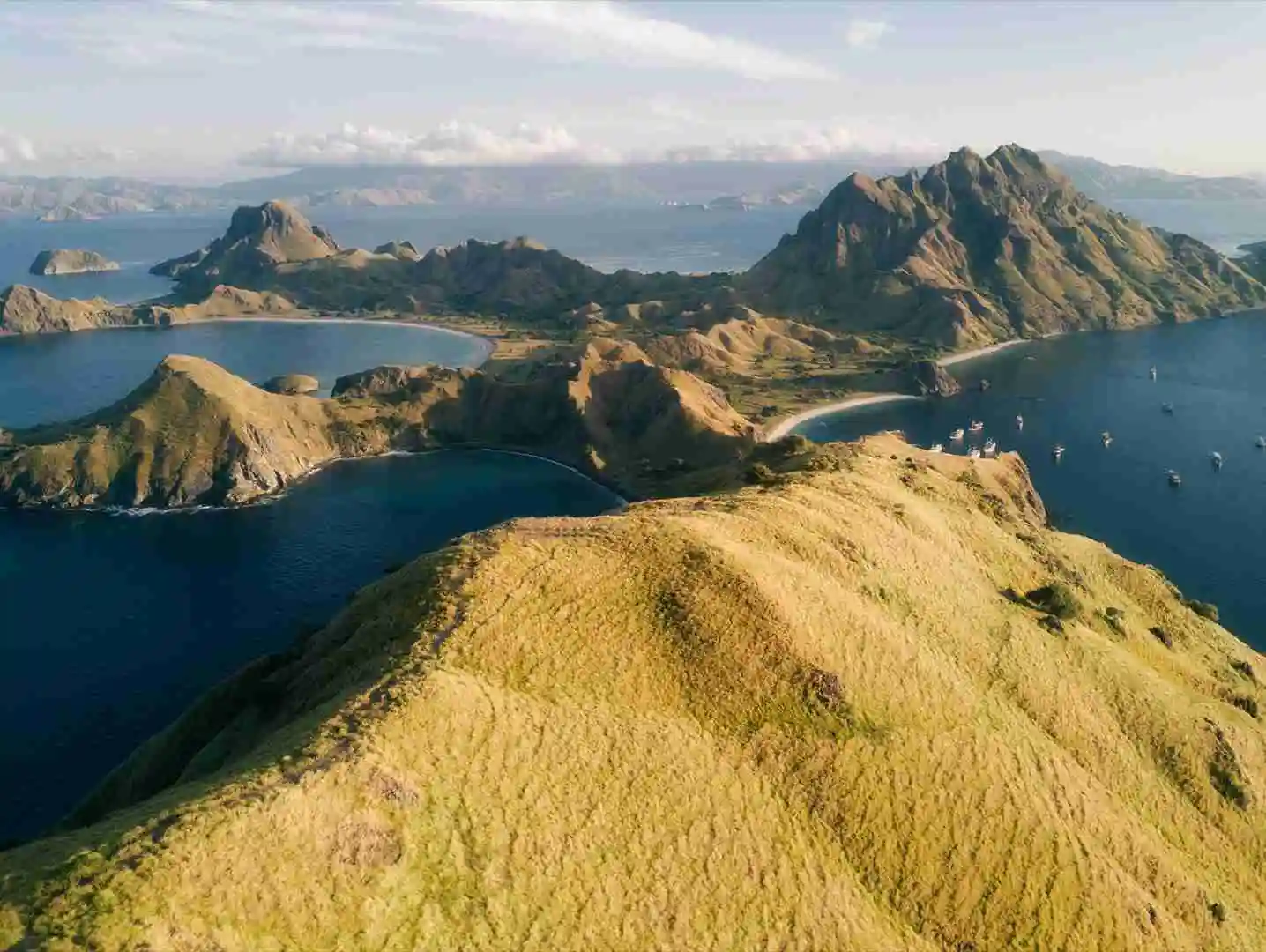
10 Amazing Alternatives to the Galapagos Islands
Discover destinations with Galapagos-like wildlife and adventure—from Komodo to Raja Ampat. Explore unique ecosystems,…
Read more →Komodo Island vs Galapagos: Which Offers the Best Wildlife and Luxury…
Compare Komodo Island and Galapagos for the best wildlife and luxury adventures. Explore landscapes, sailing, diving,…
Read more →Do Komodo Dragons Live on the Galapagos Islands? The Truth Uncovered
No, Komodo dragons don't live in the Galapagos. Discover where to see them in the wild and plan your authentic…
Read more →Raja Ampat vs Galapagos: Which Island Paradise Suits You Best?
Compare Raja Ampat and Galapagos to choose the perfect island getaway. Explore Raja Ampat with Boat Komodo Trip for an…
Read more →