
Why These Destinations Rival the Galapagos
The Galapagos Islands are iconic for their role in shaping evolutionary science and offering up-close wildlife experiences. But high costs, complex logistics, and growing visitor pressure have made alternatives more appealing. Many of these destinations offer similar thrills—endemic species, dramatic island geology, and rich marine life—without the crowds or price tag.
Beyond affordability, some sites prioritize community-led conservation and low-impact tourism. This means you’re not just seeing nature at its most raw; you’re supporting models that protect it. From Indonesia’s volcanic outposts to Mexico’s remote seamounts, these places prove extraordinary biodiversity isn’t confined to one corner of the planet.
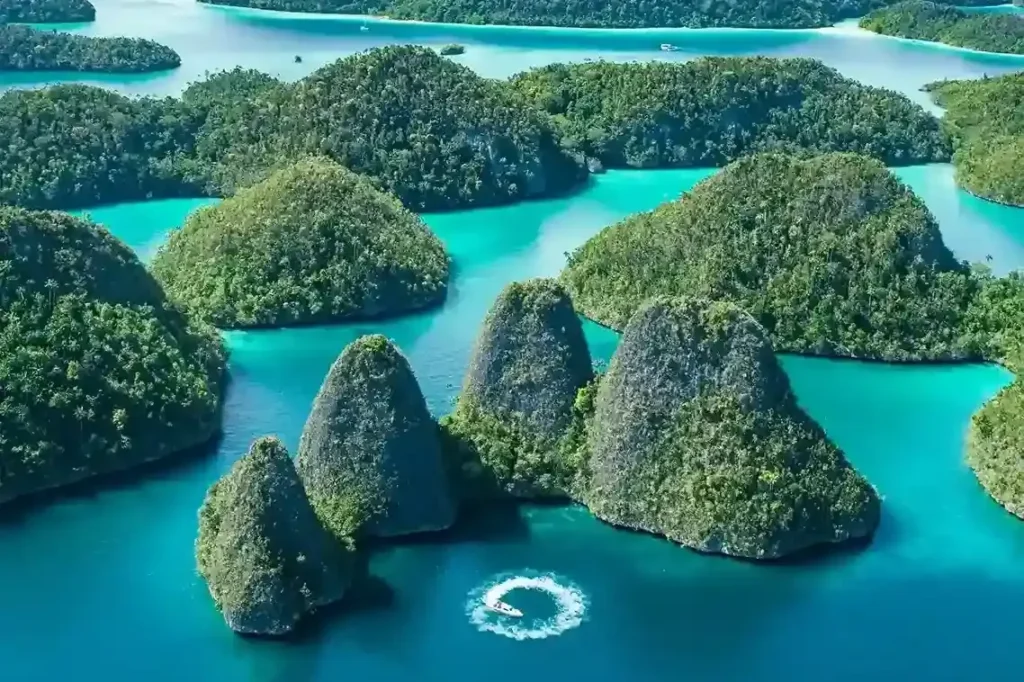
Komodo and Raja Ampat: Indonesia’s Evolutionary Frontiers
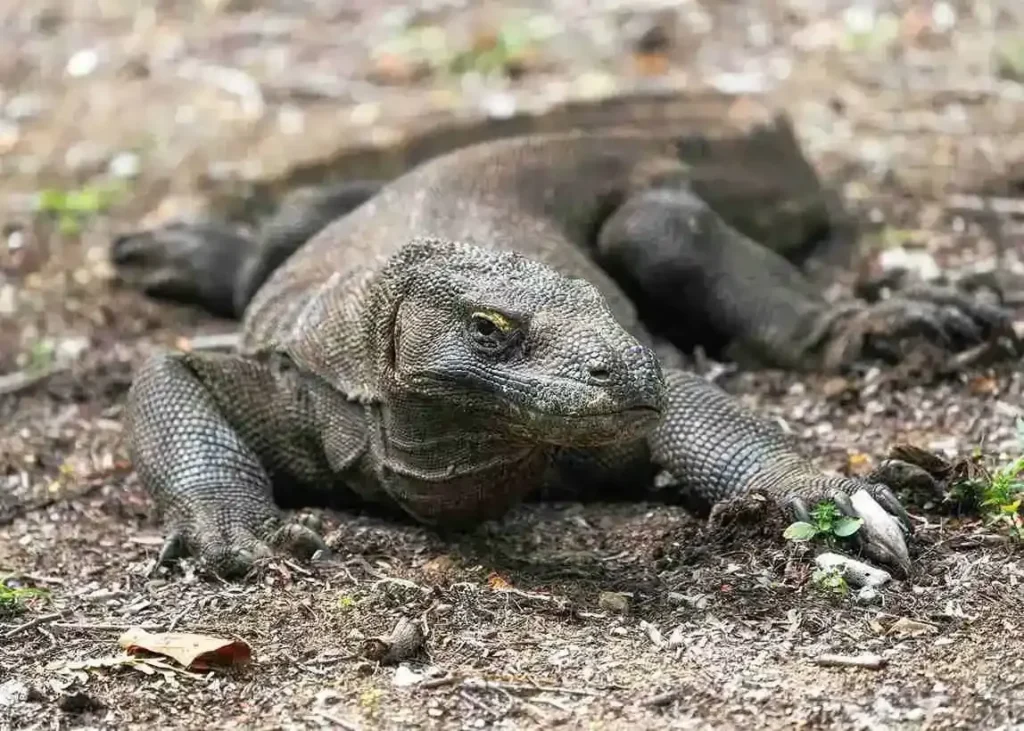
Komodo National Park, centered on the rugged island near Labuan Bajo, is often called the ‘Jurassic Park of Indonesia’—and for good reason. Home to the Komodo dragon, the world’s largest living lizard, this UNESCO site spans a chain of islands where savanna, mangrove, and coral reef converge. Trekking here brings you face to face with dragons in their natural habitat, while snorkeling reveals manta rays gliding over coral gardens.
Just a flight away, Raja Ampat forms the epicenter of marine biodiversity. Its 1,500 islands shelter more fish and coral species than anywhere else on Earth. Liveaboard diving trips explore seamounts teeming with wobbegong sharks, pygmy seahorses, and schooling barracuda. Above water, limestone karsts rise from turquoise channels, and village-based tourism lets travelers engage with Papuan culture—like watching traditional dances in Arborek or hiking to jungle waterfalls on Batanta.
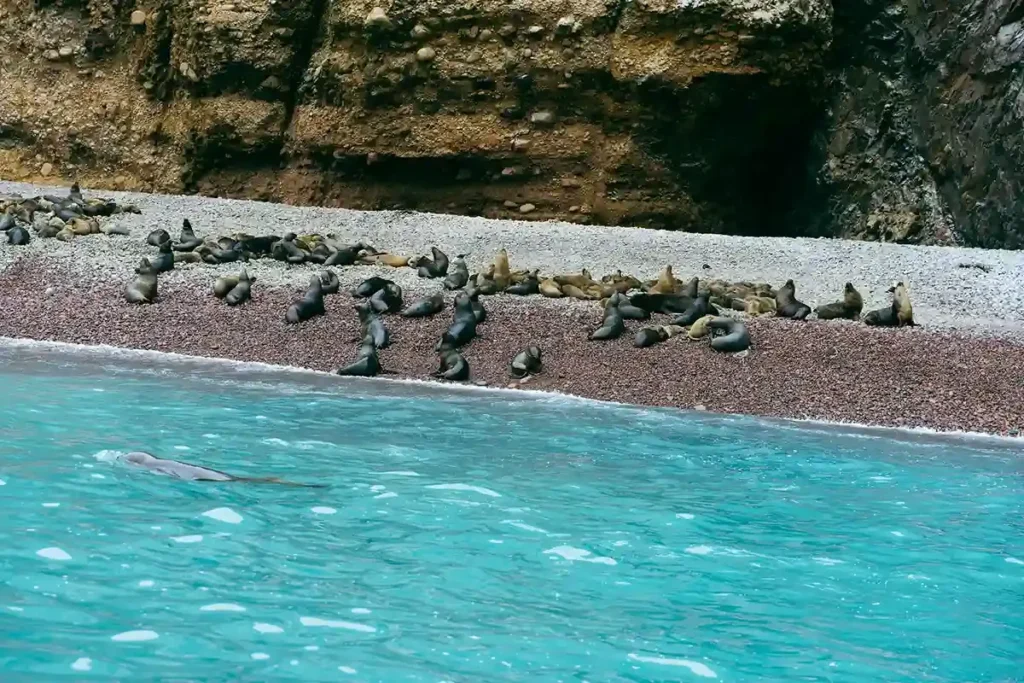
Pacific and Atlantic Islands with Galapagos-Grade Wildlife
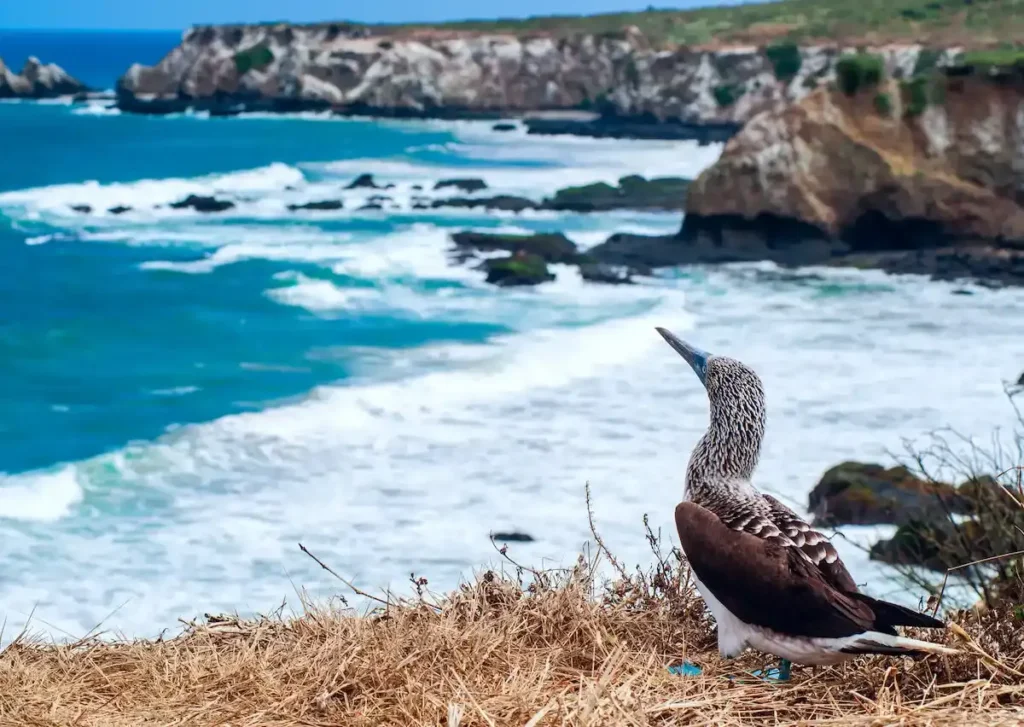
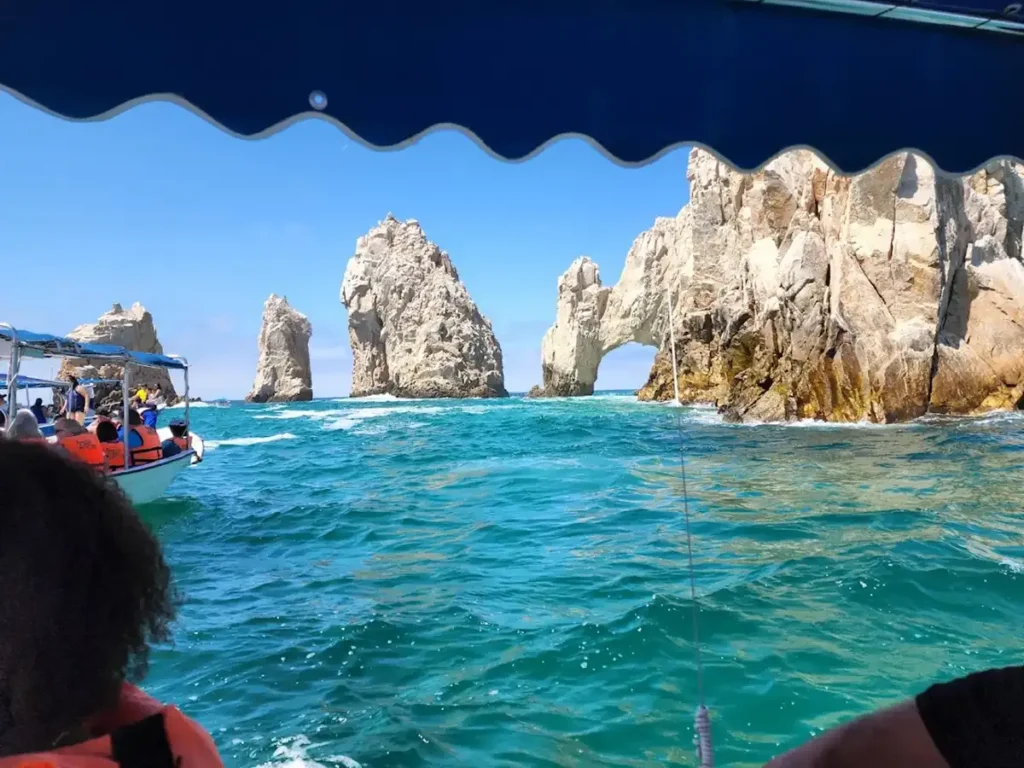
Off Peru’s coast, the Ballestas Islands burst with life. Boat tours weave through sea caves and arches while sea lions bark from rocky ledges and Humboldt penguins dart through cold currents. Known as the ‘Poor Man’s Galapagos,’ Isla de la Plata near Ecuador offers another accessible alternative. Here, blue-footed boobies perform their comical mating dances, frigatebirds soar overhead, and humpback whales pass close by between June and September.
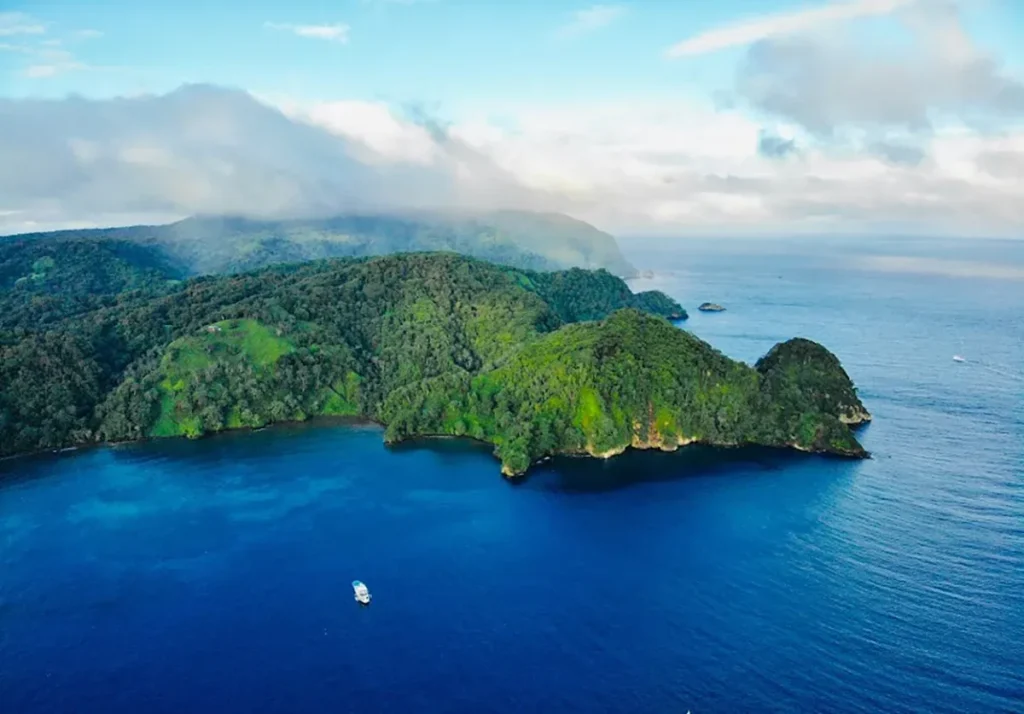
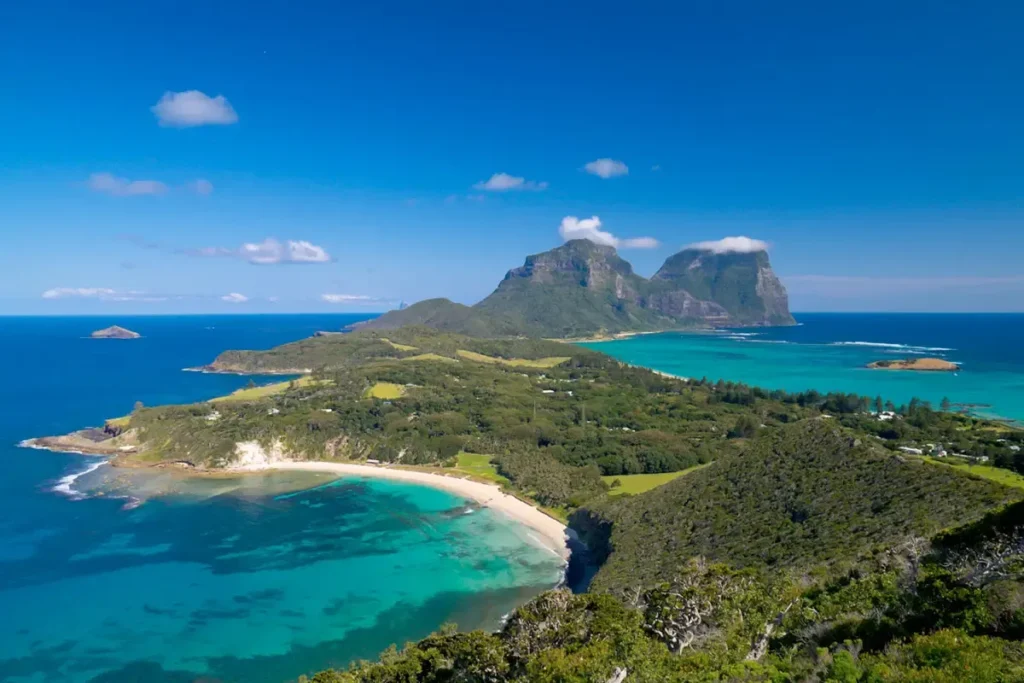
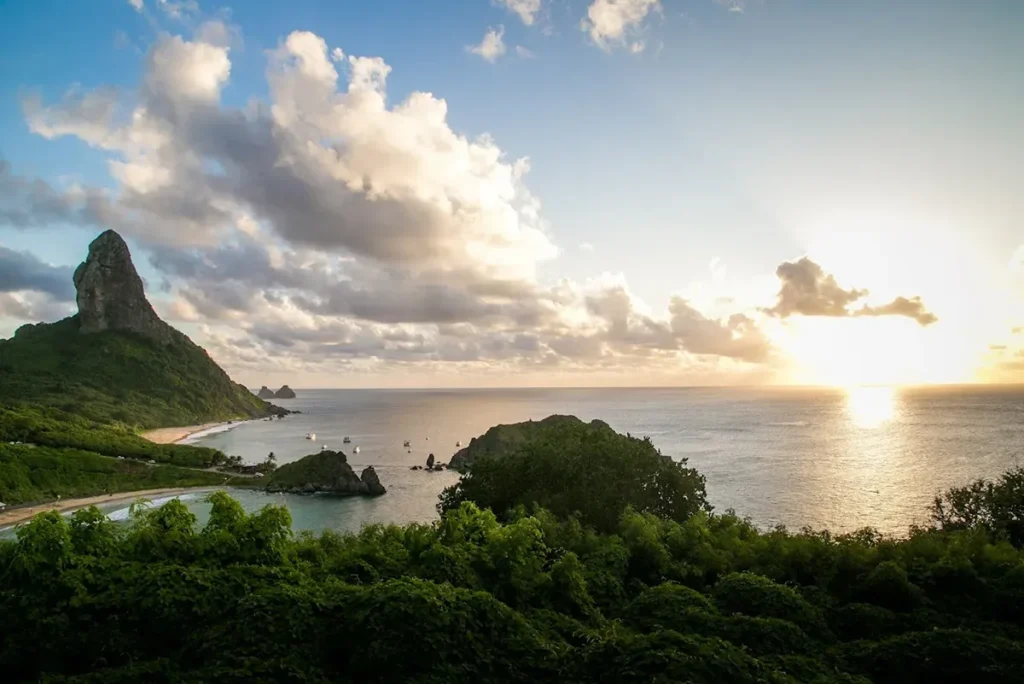
Further afield, Cocos Island—a remote Costa Rican outpost—draws elite divers with schools of hammerheads, dolphins, and giant trevallies. Lord Howe Island, 600km off Australia, blends tropical and temperate zones, supporting 90 coral species and rare birds like the woodhen. In Brazil, Fernando de Noronha limits visitor numbers to protect its dolphins, sea turtles, and volcanic landscapes, making it a model of sustainable island tourism.
Remote Marine Sanctuaries Worth the Journey
Mexico’s Revillagigedo Archipelago, including Socorro Island, is a liveaboard-only destination where divers swim alongside 22-foot manta rays and seven shark species in a single dive. From November to May, visibility exceeds 30 meters, and warm currents bring humpback whales and dolphins into play. The entire archipelago is a UNESCO site, strictly protected and accessible only through licensed operators.
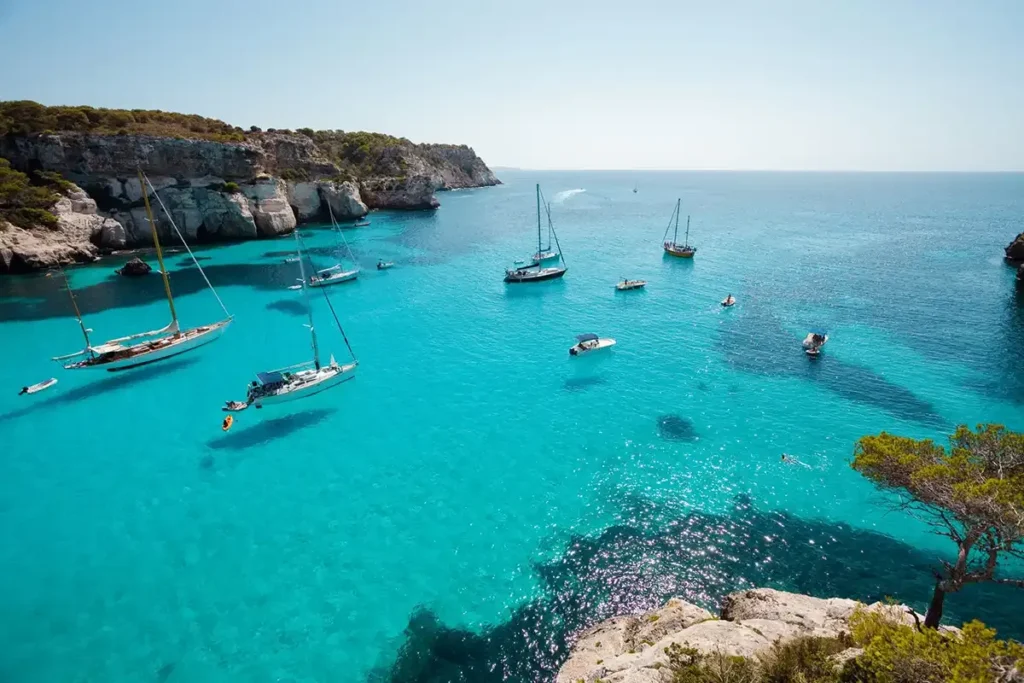
The Baja California Peninsula offers a different kind of adventure—gray whale encounters in Laguna San Ignacio, snorkeling with sea lions at Los Islotes, and desert-meets-ocean scenery along the Sea of Cortez. Meanwhile, Spain’s Cabrera Archipelago, south of Mallorca, remains one of the Mediterranean’s best-kept secrets. Its 908-square-kilometer national park shelters monk seals, rare seabirds, and underwater meadows of Posidonia, all within a short boat ride from the Balearics.
Gallery
Frequently Asked Questions
Is Komodo National Park as wildlife-rich as the Galapagos?
Which alternative is best for diving?
Are these destinations more affordable than the Galapagos?
Do any of these places have endemic species like the Galapagos?
Related Blog Posts
Galapagos vs Komodo Cruise: Which Adventure Fits You?
Compare Galapagos vs Komodo cruises—wildlife, diving, culture, and travel style. Find your perfect island adventure…
Read more →Raja Ampat vs Galapagos: Which Island Paradise Suits You Best?
Compare Raja Ampat and Galapagos to choose the perfect island getaway. Explore Raja Ampat with Boat Komodo Trip for an…
Read more →Do Komodo Dragons Live on the Galapagos Islands? The Truth Uncovered
No, Komodo dragons don't live in the Galapagos. Discover where to see them in the wild and plan your authentic…
Read more →
Ballestas Islands vs Galapagos: Compare and Decide
Compare Ballestas Islands and Galapagos for wildlife, cost, and experience. Decide which island adventure fits your…
Read more →Komodo Island vs Galapagos: Which Offers the Best Wildlife and Luxury…
Compare Komodo Island and Galapagos for the best wildlife and luxury adventures. Explore landscapes, sailing, diving,…
Read more →