
Understanding the Komodo Dragon Before You Walk the Trails
Komodo dragons sit at the top of the local food chain. They use a combination of stealth, raw power, and a venomous bite to bring down prey much larger than themselves, including water buffalo and deer. Their sense of smell is extraordinary, and they can detect blood from several kilometers away. They appear sluggish in the midday heat, but that calm is misleading. A bored-looking dragon can launch into a sprint in seconds. Knowing this baseline helps you read the situation on the trail. Most encounters end with the dragon ignoring visitors entirely, especially when a ranger maintains the gap. Trouble usually starts when someone gets too close, blocks a path, or steps between a mother and her nest.
The Five-Step Response If a Dragon Charges
First, run in a zigzag pattern. Komodos accelerate well in straight lines but struggle with sharp turns, and the change of direction buys you distance. Do not stumble, because getting back up under pressure is dangerous. Second, climb anything tall and stable: a tree, a rock outcrop, a raised platform. Adult dragons are too heavy to climb well. Third, if you cannot run or climb, use a backpack, a tripod, or a rolled jacket as a buffer to keep the dragon's head away from you while you back off. Fourth, do not play dead. Komodos are scavengers and stillness reads as easy prey. Stay on your feet, look big, and keep moving. Fifth, if you are bitten, get medical help immediately, because the venom and bacterial load can escalate quickly even from a wound that looks small.
Prevention Habits That Stop a Chase Before It Starts
Always walk with an official park ranger. Rangers carry forked sticks, read body language that visitors miss, and intervene before situations escalate. Keep at least 5 to 10 meters between you and any dragon you see, even one that looks asleep. Never step between a dragon and its prey, and never approach a nest, since females are intensely protective. Wear neutral clothing in earthy tones and skip strong perfumes, because heavy scents draw attention from many wild animals. If you have an open wound or you are menstruating, tell your guide quietly so they can adjust the route. Rangers are trained to handle this discreetly and the precaution is taken seriously by Balai Taman Nasional Komodo.
Best Time to Visit and What to Bring
Mating season runs around July and August, and dragons are noticeably more territorial during this window and during feeding periods. If you are sensitive to risk, the shoulder months (April to June, September to November) are generally calmer. Bring shoes with proper grip because the trails on Komodo and Rinca are uneven and dusty. A wide-brim hat, reef-safe sunscreen, and at least 1.5 liters of water per person make the heat manageable. Keep your camera strap secure and avoid sudden lunges toward a dragon for a closer shot. Listen to your ranger at every junction, even when the path looks clear. Most incidents on the trails come from broken protocol, not bad luck.
How to See Komodo Dragons Safely with the Right Operator
The single biggest factor in a safe Komodo trip is the operator behind it. A good operator runs vessels that meet local safety standards, coordinates ranger pickup at the entry point, and briefs guests before each landing. Boat Komodo Trip arranges private sailing trips and open trips that include ranger coordination on Komodo and Rinca, plus stops at Padar, Pink Beach, and Manta Point. Each itinerary is built around the realities of weather, dragon behavior, and ranger availability rather than a rigid template. The result is a trip where you see the dragons up close, walk the pink sand, snorkel above coral, and head home with no incidents to report.
Pricing
Rates as published on our legacy listing. Contact us for current availability, seasonal rates, and private-charter offers.
| Category | Price |
|---|---|
| What to Do If a Komodo Dragon Is Chasing You? | rp |
Frequently Asked Questions
How fast can a Komodo dragon actually run?
Is it true that playing dead works with a Komodo dragon?
Do I really need a ranger if I stay close to my group?
What should I do if I get bitten by a Komodo dragon?
When is the riskiest time to visit Komodo Island?
Related Blog Posts
Safety First: Navigating Komodo Island with Confidence
Is it safe to visit Komodo Island? Discover the essential safety guidelines and tips for a worry-free adventure on this…
Read more →Komodo Island Safety Tips for Adventurous Travelers
Discover essential Komodo Island safety tips for first-time visitors. Book your Komodo tour with Boat Komodo Trip and…
Read more →Safety in Komodo National Park: Expert Insights for a Secure Adventure
Plan your trip with confidence. Learn essential safety tips for Komodo National Park, covering wildlife, trekking, and…
Read more →
Weather Safety in Komodo: Navigating the Risks
Plan your Komodo Island sailing trip with confidence. Learn about weather safety in Komodo and how to stay safe on the…
Read more →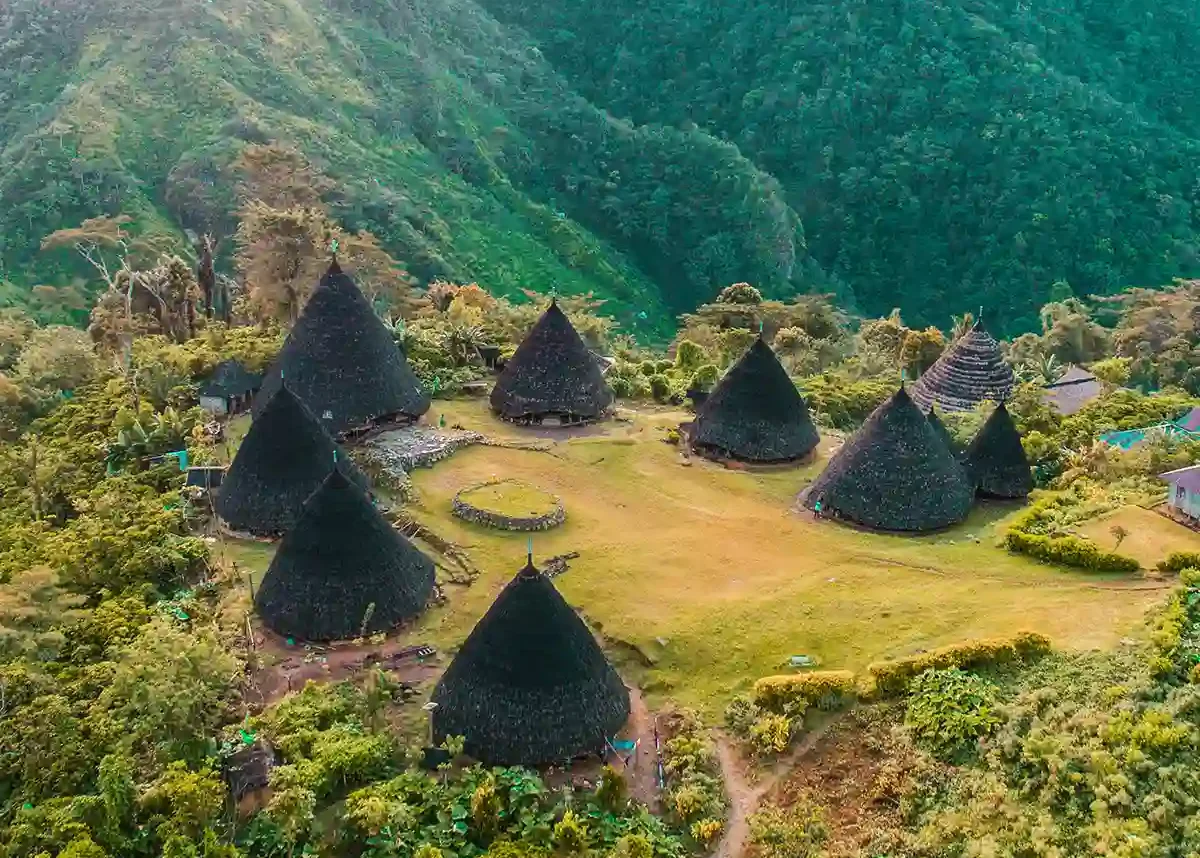
Wae Rebo Traditional Village of Flores: A Practical Visitor Guide
Wae Rebo is a Manggarai mountain village in Flores famous for its conical Mbaru Niang houses. Get directions, fees, and…
Read more →