
Mbaru Niang and Daily Life Inside the Village
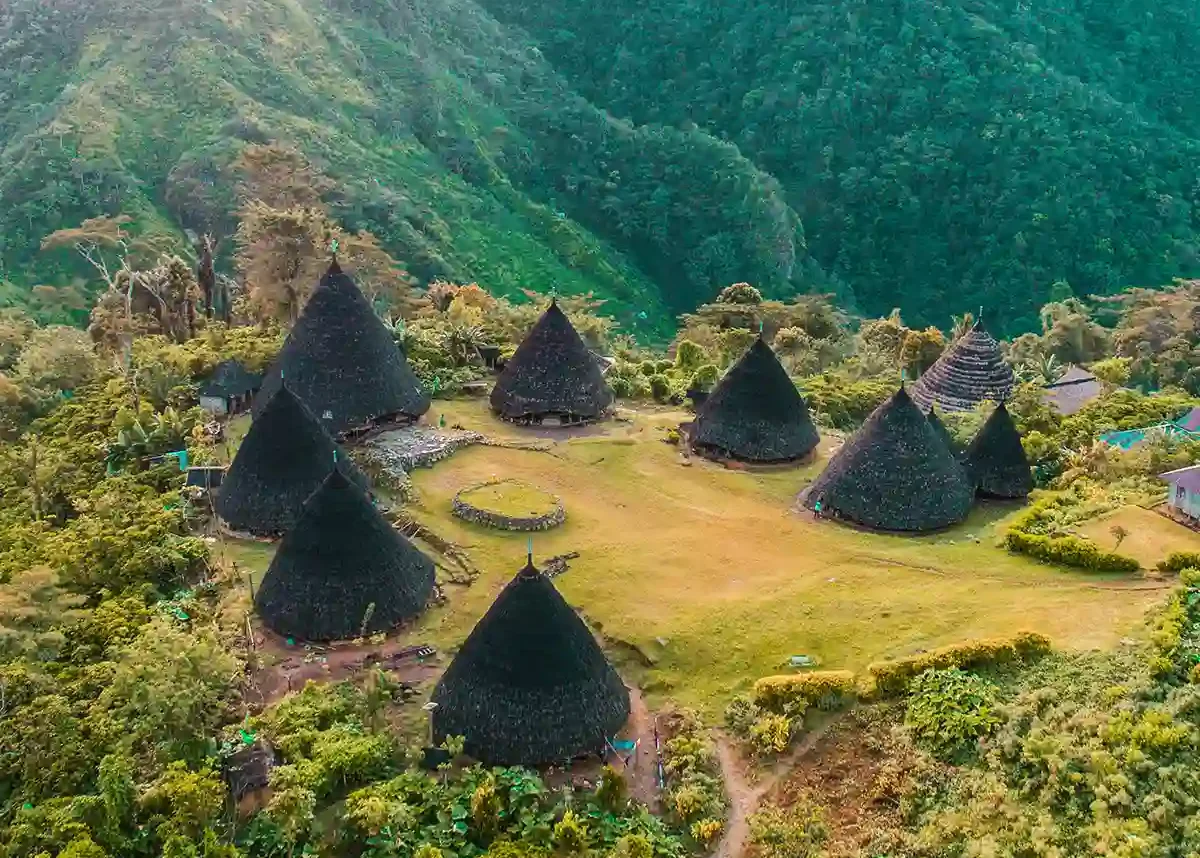
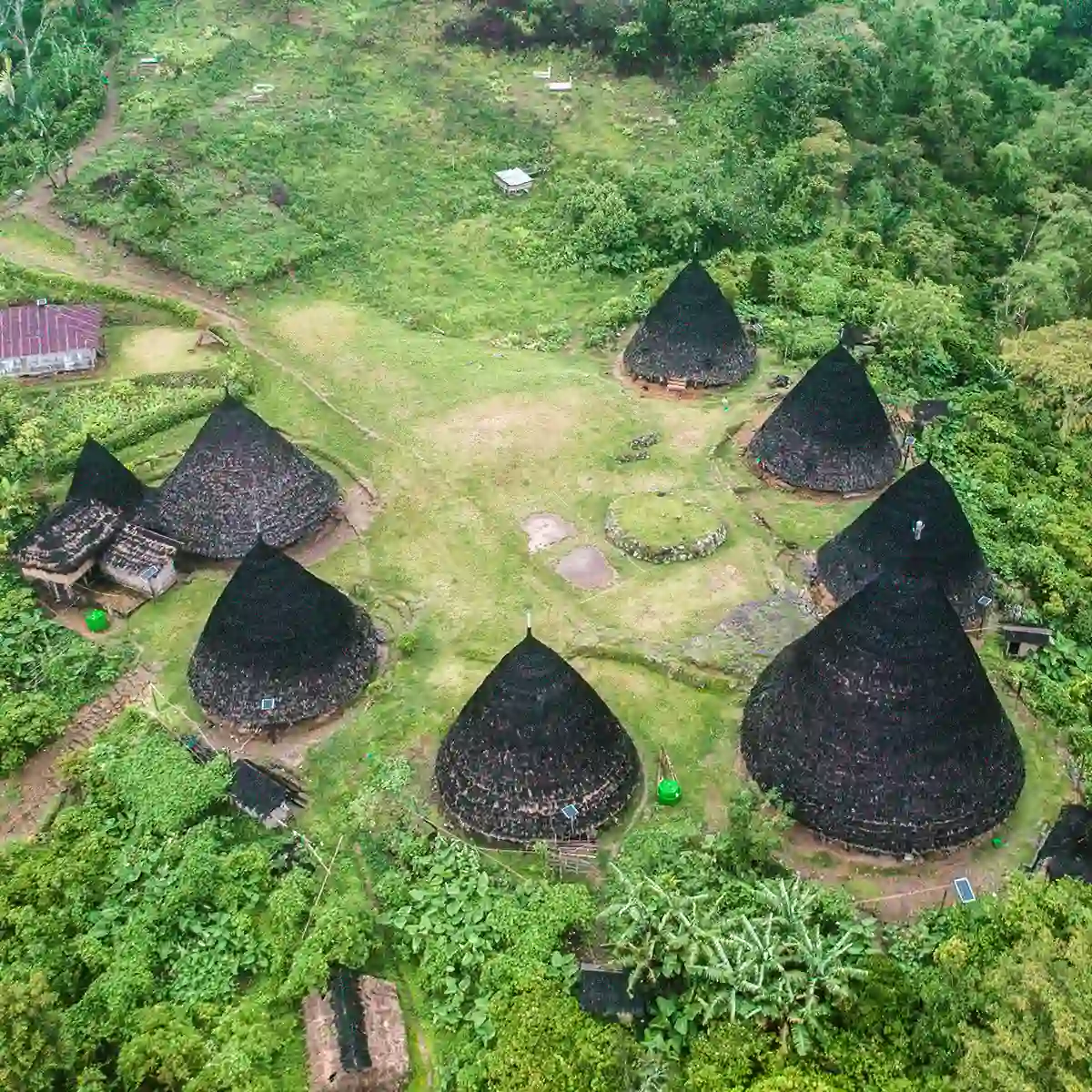
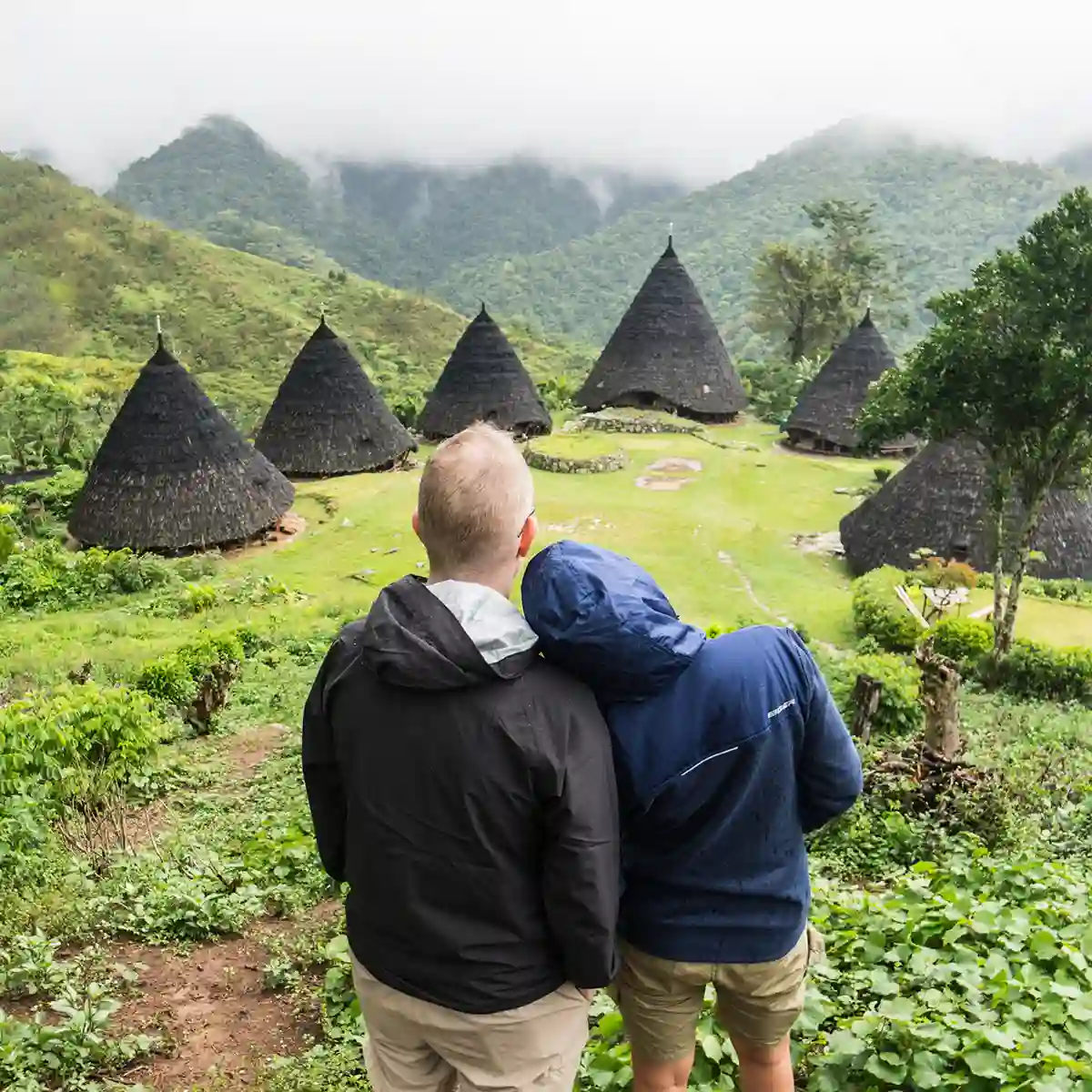
The Mbaru Niang is the visual signature of Wae Rebo. Each conical house rises five levels under a thick lontar-thatch roof. The first level, lutur, is the family living quarters. The second, lobo, stores food and goods in the attic. The third, lentar, holds seeds for the next harvest. The fourth, lempa rae, keeps food reserves for drought years. The fifth, hekang kode, is the most sacred space and holds offerings for the ancestors. The village has around 1,200 residents across seven houses. Cassava and maize are the staple foods, while families also cultivate coffee, vanilla, and cinnamon, which they sell at the market about 15 kilometers away.
Cultural Protocols, Penti Ceremony, and What to Expect
When you arrive you sound a wooden bell called the pentungan to announce your presence. Photography is not allowed until the village elder welcomes you inside one of the Mbaru Niang. This greeting is the Waelu'u ritual, after which you are served the famous Wae Rebo robusta coffee. The village's biggest annual event is Penti, a thanksgiving ceremony held across three sites: the spring (life), the front porch (prayers for women whose husbands work outside the village), and the backyard (community prosperity). The ceremony begins around 6 AM and includes the sacrifice of two pigs and a Caci whip-fight in the main courtyard, which villagers see as a blessing for fertile soil.
Entry Fees, Overnight Stays, and Practical Notes
Visitors are expected to contribute IDR 50,000 to IDR 100,000 (USD 3.19 to USD 6.39) as a donation to the elder. An overnight stay in a guest Mbaru Niang costs IDR 350,000 (USD 22.35) per person, with two of the nine traditional houses set aside for visitors. There are no fixed opening hours, but you should arrive by 5 PM at the latest so you can be greeted before the elders rest. Bring rupiah in cash because there are no ATMs in Denge or Wae Rebo. Mobile reception does not exist in the village, and electricity runs only from 6 PM to 10 PM WITA. Pack a jacket and long trousers because nights are cold, especially in the dry season. Many travelers combine Wae Rebo with a Komodo boat tour from Labuan Bajo, which Boat Komodo Trip can arrange in private, open, or full-day formats.
Gallery
Pricing
Rates as published on our legacy listing. Contact us for current availability, seasonal rates, and private-charter offers.
| Category | Price |
|---|---|
| 3. Trekking to Wae Rebo Village | IDR 100,000 |
| Entry Fee | IDR 50,000 |
| Entry Fee | IDR 350,000 |
Frequently Asked Questions
How long does it take to reach Wae Rebo from Labuan Bajo?
How much does it cost to stay overnight in Wae Rebo?
Do I need a guide to trek up to Wae Rebo?
Can I take photos in the village?
Can I combine Wae Rebo with a Komodo boat tour?
Related Blog Posts
Flores Island Traditional Villages: Discover the Culture and…
Explore Flores traditional villages like Wae Rebo and Bena. Experience ancestral customs, unique architecture, and…
Read more →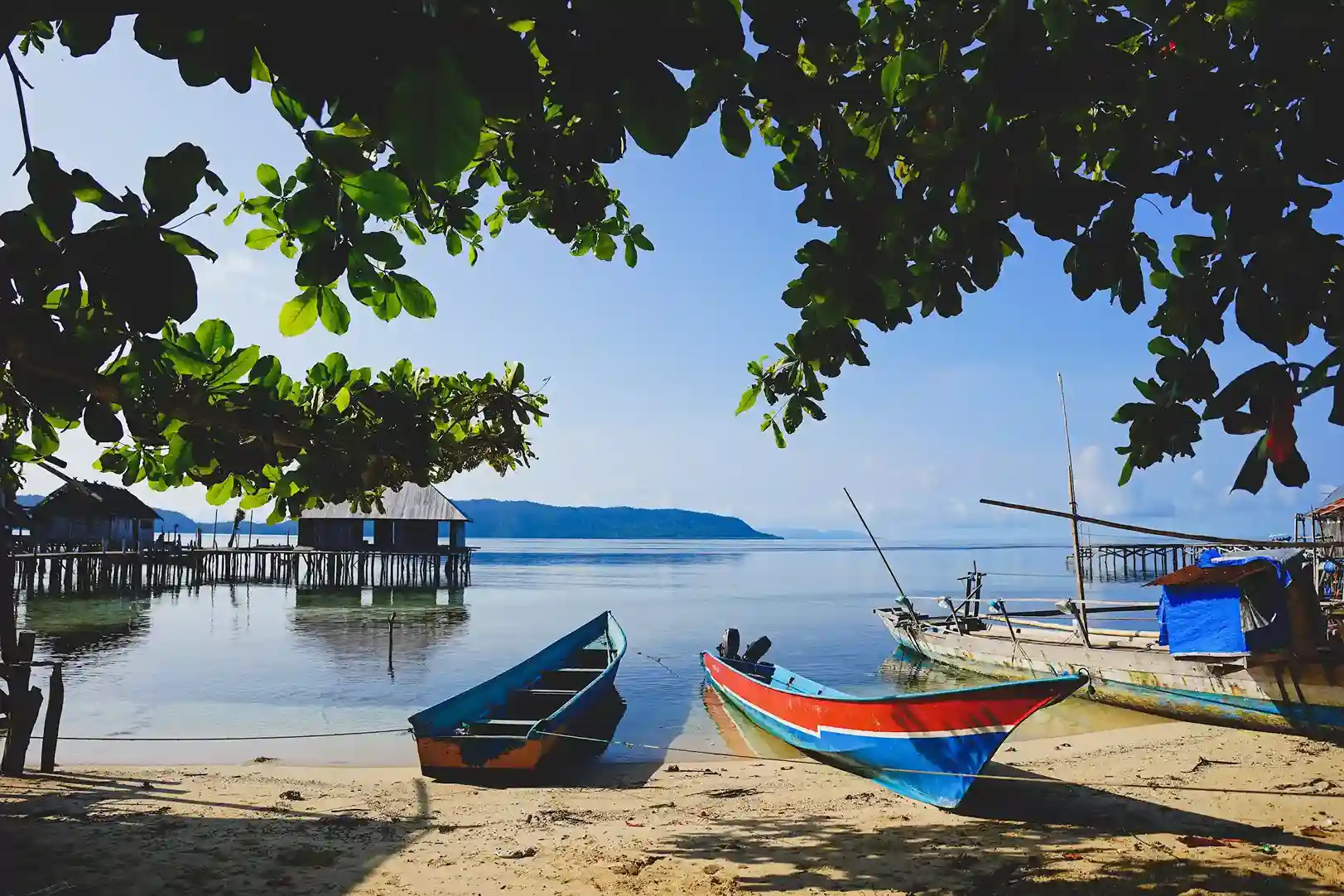
Sawinggrai Village: A Birdwatcher's Paradise in Raja Ampat
Uncover the secrets of Sawinggrai Village, a birdwatcher's paradise in Raja Ampat, and experience the authentic local…
Read more →
Hotels in Flores: Your Ultimate Guide to the Best Stays on the Island
Explore top accommodations near Komodo Island and Labuan Bajo for an unforgettable vacation experience on Flores…
Read more →Sauwandarek Village: A Treasure Trove of Natural Beauty and Culture
Explore the beauty of Sauwandarek, a village in Raja Ampat, and experience its crystal-clear waters, vibrant marine…
Read more →
What to Do If a Komodo Dragon Is Chasing You: A Practical Safety Guide
What to do if a Komodo dragon is chasing you: practical safety steps, ranger advice, and how Boat Komodo Trip helps you…
Read more →