

14 Lesser-Known Spots of Bali You Never Knew Existed
Bali, the island of the gods, is more than just a beautiful place to visit. It's a treasure trove of unique customs, delicious food, and breathtaking landscapes. But, did you know that there's more to Bali than meets the eye? Here are 14 lesser-known spots that will make you fall in love with the island even more.
The Island of Many Islands
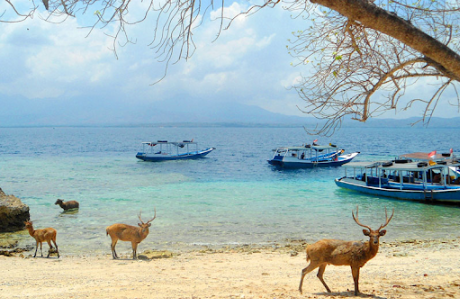
Bali is home to 32 small islands, with only nine of them being uninhabited. Menjangan Island, one of the inhabited islands, is home to a sacred temple, while Pulau Pudut is uninhabited and slowly being eroded due to coastal abrasion. This unique feature makes Bali a fascinating place to explore.
Unique Naming Conventions
In Bali, children are named according to their birth order, with the first born being named Wayan, Putu, or Gede. The second born is named Made, Kadek, or Nyoman, while the third born is named Nyoman, Komang, or Ketut. This naming convention is a reflection of the island's rich cultural heritage.
The Caste System
Bali has a unique caste system, with four main castes: Brahmana, Ksatria, Waisya, and Sudra. Each caste has its own set of names and titles, with Brahmana being the highest caste. While the caste system is still practiced today, it's largely a cultural tradition and no longer a determining factor in a person's occupation.
The Original Balinese Tribes
The original Balinese tribes are the Bali Aga people, who live in the mountainous areas of the island. They have a unique culture and language, with a strong emphasis on animistic beliefs. The Javanese Majapahit Tribe, on the other hand, is a group of people who migrated to Bali from Java and are responsible for introducing Hinduism to the island.
Abundance of Religious Ceremonies
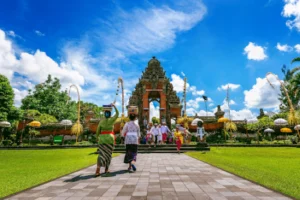
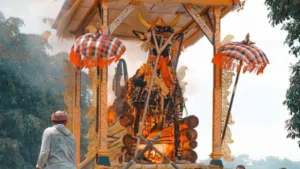
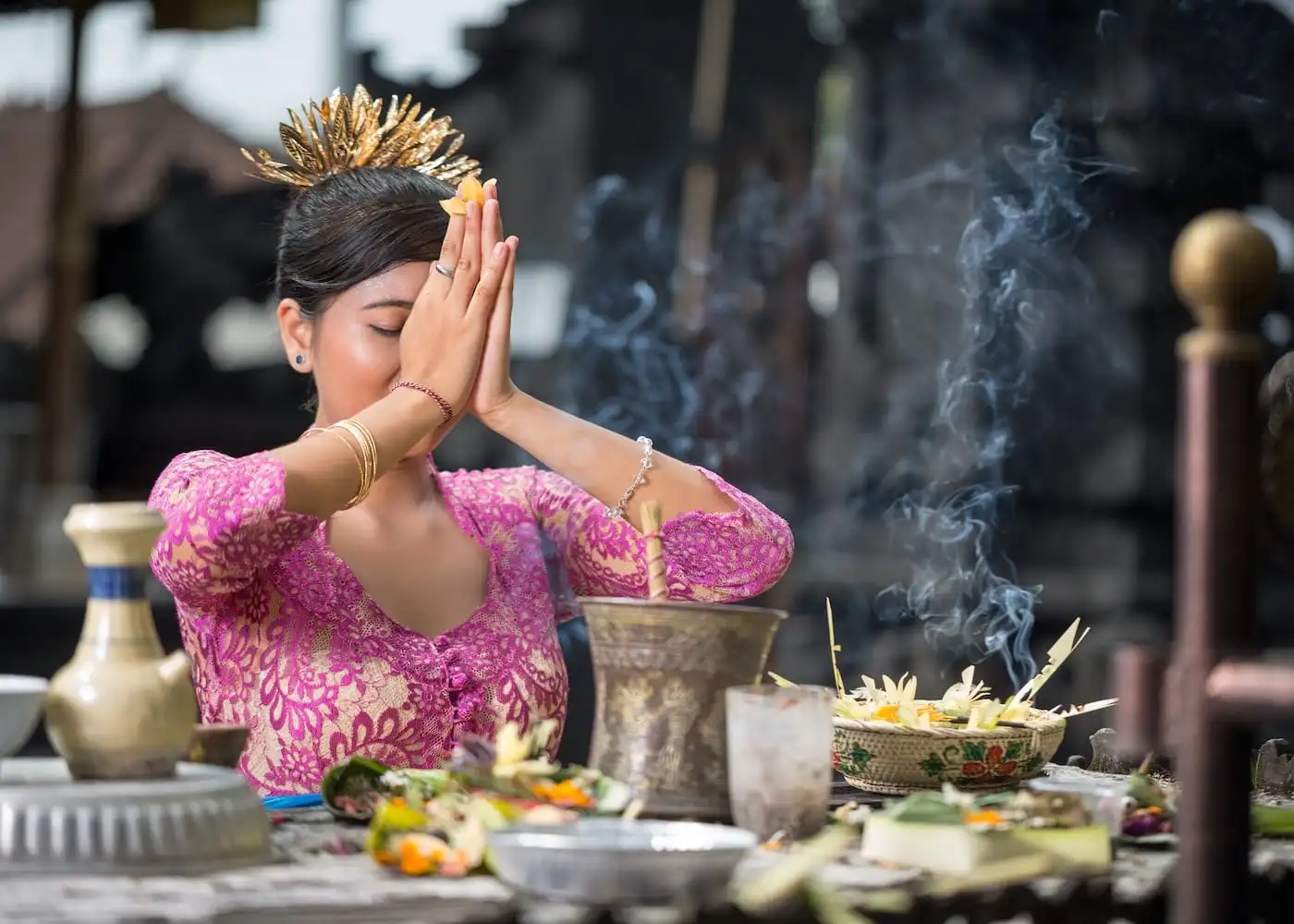
Bali is home to many religious ceremonies, with the Balinese Hindu calendar determining the dates and times of these events. From small, everyday ceremonies to large, once-in-a-lifetime events, there's always something happening on the island. One of the most unique ceremonies is the Ngaben ceremony, which is held when someone dies.
Unique Birthdays
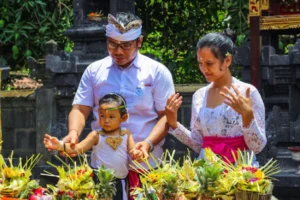
In Bali, birthdays are celebrated once every 210 days, with the Otonan ceremony marking the child's first birthday according to the Balinese calendar. This unique tradition is a reflection of the island's rich cultural heritage and its emphasis on spiritual growth.
Ceremonies Since Birth
The Balinese believe in holding ceremonies at every stage of life, from before birth to death. From the Pagedong-Gedongan ceremony for babies in the womb to the Ngaben ceremony for the deceased, there's always something happening on the island. This emphasis on spiritual growth and renewal is a unique aspect of Balinese culture.
Celebrating New Year in Silence
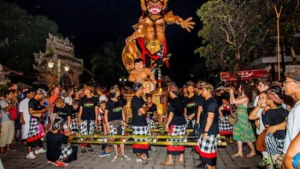
Nyepi, the Balinese New Year, is a unique celebration that takes place in silence. During this time, Balinese Hindus are expected to focus on worship and reflection, avoiding any activities that might disturb the peace. This emphasis on quiet contemplation is a reflection of the island's spiritual values.
Rules for Each Village and District
Each village and district in Bali has its own set of rules, based on the belief in Desa, Kala, and Patra. This unique system allows each community to adapt to its own specific needs and traditions, making Bali a fascinating place to explore.
Respecting Natural Balance
The Balinese have a deep respect for nature, with the teaching of Tri Hita Karana emphasizing the importance of maintaining balance between humans, nature, and God. This unique perspective is reflected in the island's many ceremonies and traditions, which aim to protect and preserve the natural environment.
Must-Eat Foods
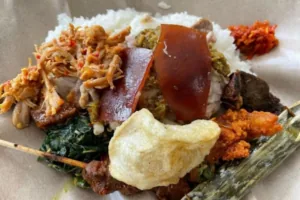
Bali is famous for its delicious food, with Babi Guling (Suckling Pig) and Lawar being two of the must-eat dishes. Babi Guling is a unique dish made from young pigs stuffed with spices and cassava leaves, while Lawar is a spicy salad made from vegetables and meat. Both dishes are a reflection of the island's rich culinary heritage.
The Importance of Tradition
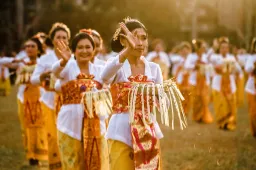
Tradition plays a vital role in Balinese culture, with many customs and ceremonies passed down through generations. From the unique naming conventions to the many religious ceremonies, tradition is an integral part of the island's identity. By respecting and preserving these traditions, the Balinese are able to maintain their unique cultural heritage.
A Blend of Indian and Animist Beliefs
Bali is a unique blend of Indian and animist beliefs, with the Balinese Hindu religion being a reflection of this cultural fusion. This blend of traditions has resulted in a rich and diverse culture that is unlike anywhere else in the world.
The Island's Natural Beauty
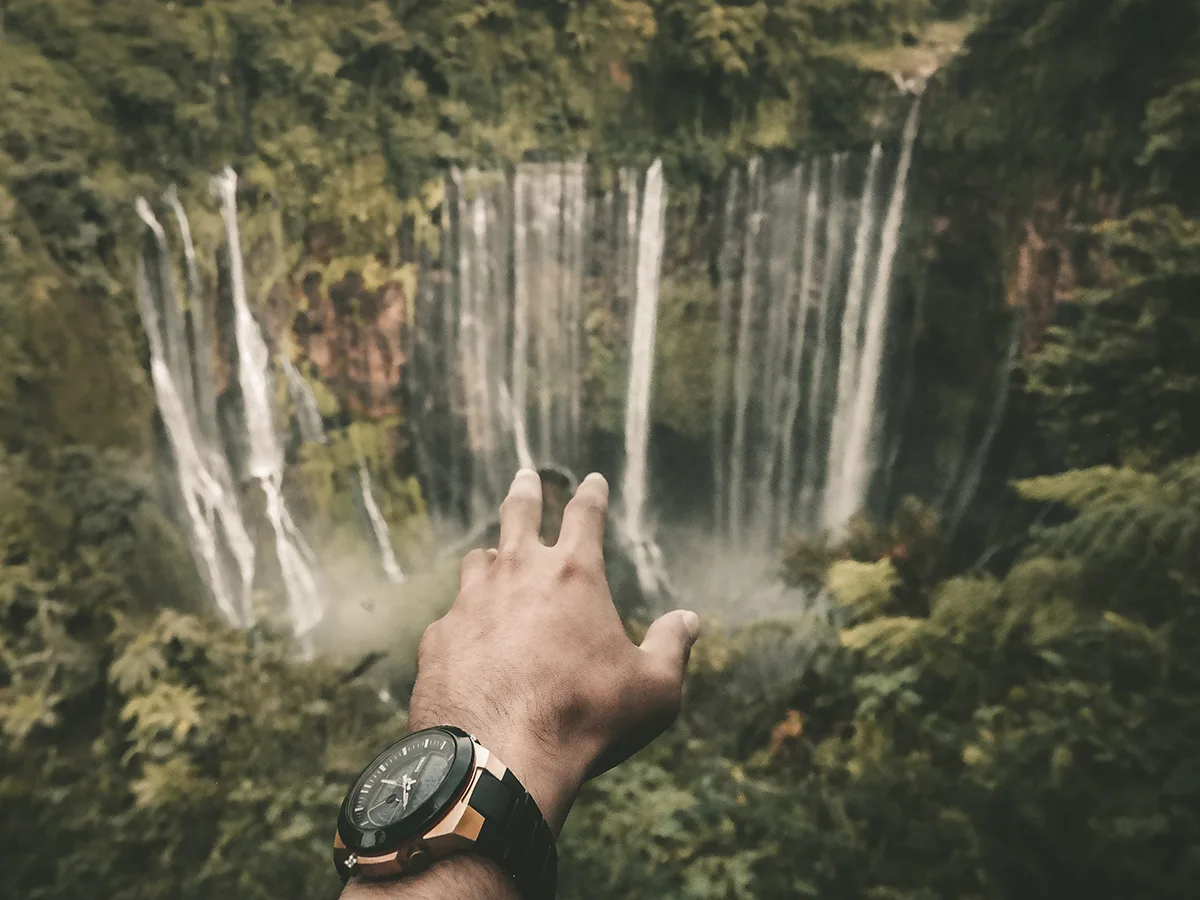
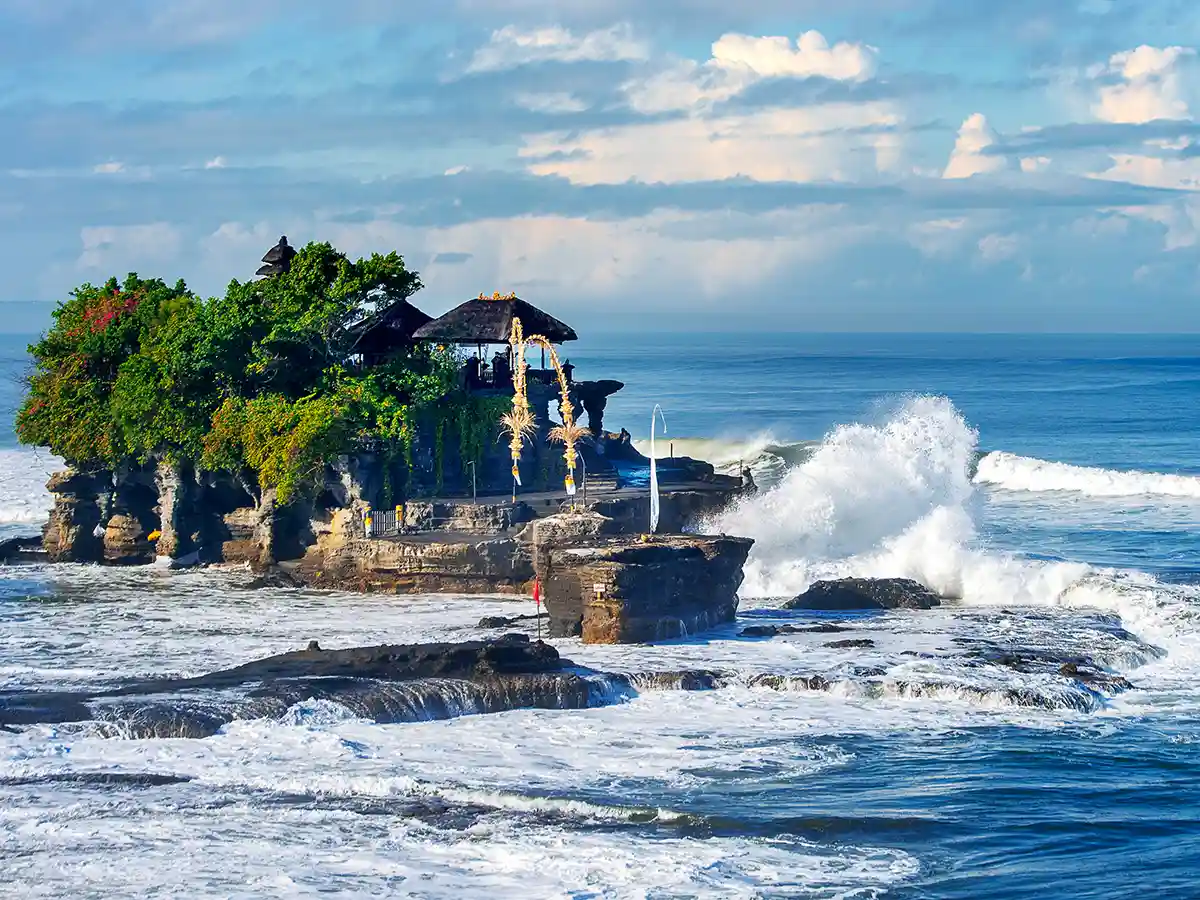
Bali is a tropical paradise, with its lush green landscapes, beautiful beaches, and vibrant culture making it a popular destination for tourists. From the Sangeh Monkey Forest to the West Bali National Park, the island is home to many natural wonders that are waiting to be explored.
The Balinese Calendar
The Balinese calendar is a unique system that determines the dates and times of many ceremonies and events. With its own set of months and days, the Balinese calendar is a reflection of the island's rich cultural heritage and its emphasis on spiritual growth.
The Importance of Community
Community plays a vital role in Balinese culture, with many ceremonies and traditions centered around the importance of family and community. From the unique naming conventions to the many religious ceremonies, community is an integral part of the island's identity.
A Reflection of the Island's Spiritual Values
Bali is a reflection of the island's spiritual values, with many ceremonies and traditions centered around the importance of worship and reflection. From the unique naming conventions to the many religious ceremonies, the Balinese are able to maintain their unique cultural heritage by respecting and preserving these traditions.
A Blend of Tradition and Modernity
Bali is a unique blend of tradition and modernity, with many customs and ceremonies being adapted to suit the needs of the modern world. From the use of technology to enhance traditional ceremonies to the incorporation of modern elements into traditional dress, the Balinese are able to maintain their unique cultural heritage while still embracing the benefits of modernity.
The Island's Rich Cultural Heritage
Bali is a treasure trove of unique customs, delicious food, and breathtaking landscapes, making it a fascinating place to explore. From the unique naming conventions to the many religious ceremonies, the island's rich cultural heritage is a reflection of its unique blend of Indian and animist beliefs.
Gallery
Frequently Asked Questions
What are some of the unique customs in Bali?
What are some of the must-eat foods in Bali?
What is the Balinese calendar?
What is the importance of community in Balinese culture?
What is the Balinese Hindu religion?
What is the significance of the Ogoh-Ogoh?
What is the importance of tradition in Balinese culture?
Discover More About Bali
Our charter specialists reply on WhatsApp within minutes โ typically during waking hours WITA.
WhatsApp +62 851-9009-6797