
Planning Your Raja Ampat Photography Tour 2026
A photographer's tour in Raja Ampat combines technical guidance with local expertise to maximize your creative potential. These specialized excursions are led by professionals who understand the region's optimal shooting conditions and ethical photography practices. Their knowledge ensures you capture stunning images while preserving the delicate environment.
The timing of your visit significantly impacts the photographic opportunities available. Raja Ampat offers distinct advantages during both the dry and wet seasons, each presenting unique conditions for different types of photography.
During the dry season (October to April), expect stable weather with minimal rainfall and calm seas. These conditions create ideal circumstances for underwater photography with excellent visibility. The golden hours of early morning and late afternoon provide soft, warm lighting that enhances both wildlife and landscape photography, adding depth and warmth to your images.
The wet season (May to September) transforms the landscape with frequent rain, resulting in lush vegetation and dramatic skies. This moody atmosphere creates striking compositions for landscape photography. With fewer tourists during this period, you'll enjoy more intimate wildlife encounters and greater access to popular locations without the crowds.
Essential Equipment for Raja Ampat Photography
Preparing the right gear is fundamental to making the most of your photography tour in Raja Ampat. Your equipment should cover various shooting scenarios from underwater to landscape photography.
For your primary camera system, a DSLR or mirrorless camera with interchangeable lenses offers the versatility needed for diverse subjects. A wide-angle lens captures the expansive landscapes and underwater scenes, while a telephoto lens brings distant wildlife into focus. A macro lens reveals the intricate details of small subjects like insects, flowers, and tiny marine creatures.
Underwater photography requires specialized equipment to protect your camera and optimize image quality. Waterproof housing is essential for diving and snorkeling shots, paired with strobes or underwater flashes to properly illuminate subjects. Consider bringing both wide-angle and macro underwater lenses to capture everything from coral gardens to pygmy seahorses.
Additional essentials include extra memory cards and batteries to ensure you're ready for every shot opportunity. A sturdy tripod provides stability for land-based photography, particularly during low-light conditions. For aerial perspectives of Raja Ampat's dramatic landscapes, a drone offers unique vantage points that showcase the scale and beauty of the archipelago.
Composition Techniques and Ethical Practices
Creating compelling images in Raja Ampat requires both technical skill and environmental awareness. Composition techniques vary depending on your subject, while ethical practices ensure your photography doesn't harm the very beauty you're documenting.
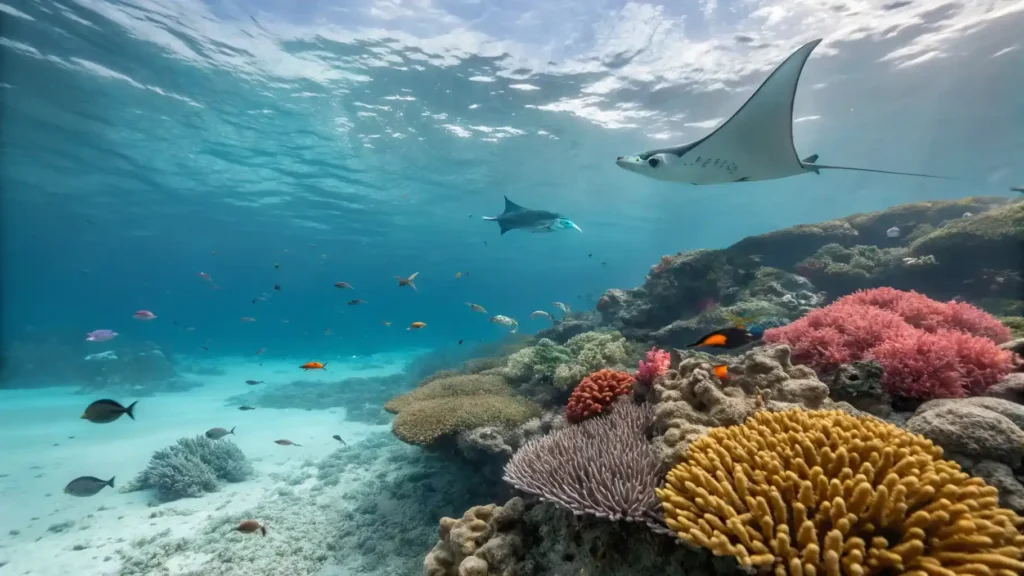
For underwater photography, pay close attention to framing and apply the rule of thirds to balance your subject within the frame. Mastering underwater lighting techniques—whether using strobes or natural light—is crucial for capturing the vibrant colors of marine life. The clear waters of Raja Ampat provide excellent conditions for experimenting with different approaches.
Wildlife photography demands patience and timing to capture animals in their natural behavior. Using burst mode increases your chances of capturing decisive moments, whether it's a manta ray gliding through the water or a bird of paradise displaying its plumage. Focus on the animal's natural actions to create images with emotional depth and storytelling power.
Landscape photography benefits from wide-angle lenses to capture the expansive vistas of Raja Ampat's karst islands and lagoons. Shooting during golden hour adds a magical quality to your images, with warm light enhancing the natural drama of the scenery. Long shadows during these times create more dynamic compositions.
Environmental respect is paramount when photographing in Raja Ampat. Always maintain a respectful distance from wildlife, particularly marine life, and never disturb natural behavior for the sake of a photo. After each shoot, ensure you leave no trace behind, carrying all waste with you to protect these fragile ecosystems for future generations.
Gallery
Frequently Asked Questions
What's the best time to visit Raja Ampat for photography?
What equipment should I bring for a photography tour in Raja Ampat?
Are there specific composition techniques that work well in Raja Ampat?
How can I ensure I'm photographing wildlife ethically in Raja Ampat?
Do I need advanced photography skills for a Raja Ampat tour?
Related Blog Posts
From Bali to Raja Ampat: The Complete 2026 Travel Guide
Discover how to travel from Bali to Raja Ampat in 2026 with clear flight routes, permits, and transport tips. Plan your…
Read more →Raja Ampat Tour in 2026: Your Complete Guide to Indonesia's Pristine…
Discover Raja Ampat's pristine islands, vibrant reefs, and hidden lagoons. Complete 2026 guide with travel tips,…
Read more →
Jakarta to Raja Ampat 2026: Your Complete Adventure Guide
Plan your 2026 escape from Jakarta to Raja Ampat with expert tips on flights, itineraries, and liveaboard tours. Start…
Read more →Komodo Tour 2026: Your Complete Guide to Island Adventures
Plan your 2026 Komodo tour with confidence. Discover how to explore Komodo National Park, choose the right cruise, see…
Read more →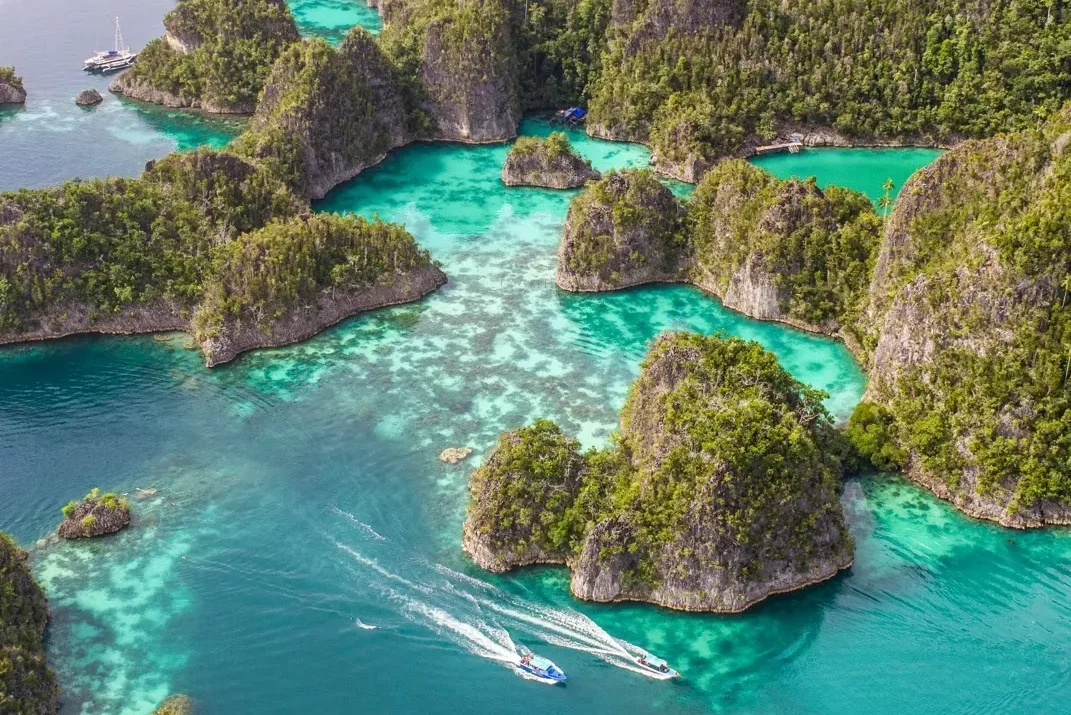
How to Get to Raja Ampat – Your Ultimate Guide
Discover the best ways to reach Raja Ampat, from flights to boat transfers, and plan your trip with our expert travel…
Read more →