
Bulukumba's Legacy: The Heart of Phinisi Construction
Located in southern South Sulawesi, Bulukumba is famously known as the “Bumi Panrita Lopi,” or “the land of master shipbuilders.” This is where the Phinisi boat building tradition took shape and became part of the daily life of the Bugis and Makassar people. Their strong maritime culture has turned Phinisi creation into more than just a technical craft—it’s a reflection of identity, pride, and ancestral heritage. Ancient stories of Bugis-Makassar sailors form the philosophical foundation of Phinisi construction in Bulukumba. A Phinisi is not just a means of transportation; it’s also a symbol of resilience, courage, and solidarity. One tradition that still exists today is choosing an auspicious day and offering ceremonies to honor the ancestors before building begins.
Modern Phinisi Boat Building
Long ago, Phinisi ships carried Bugis and Makassar sailors across the archipelago—and even overseas—for trade and exploration. As times changed and markets expanded, Phinisi found new life as a luxurious vessel that competes globally. Tour operators use Phinisi ships for premium cruises, charters, and expeditions. Despite the modern updates, the essence of Phinisi construction still honors its ancestral roots. Phinisi design is still largely based on ironwood (ulin) and teak. Ironwood is naturally resistant to seawater and pests, while teak has a strong grain and a beautiful appearance.
The Craft of Building a Phinisi
What makes a Phinisi different from other traditional vessels is the way it’s built. Each Phinisi has its own “soul” shaped by the selection of wood, craftsmanship, and cultural rituals. Below are a few elements that make Phinisi boat building special. Wood choice and environmental considerations are crucial in Phinisi construction. Since the time of their ancestors, ironwood (ulin) and teak have been the main choices. However, due to deforestation and scarcity of quality timber, shipbuilders are now more careful with logging. Government oversight and reforestation initiatives ensure there will be enough wood for the future.
Frequently Asked Questions
What makes Phinisi boat building unique?
Where is the Phinisi boat building tradition rooted?
What are the key elements of Phinisi construction?
What is the market potential of Phinisi boat building?
Related Blog Posts
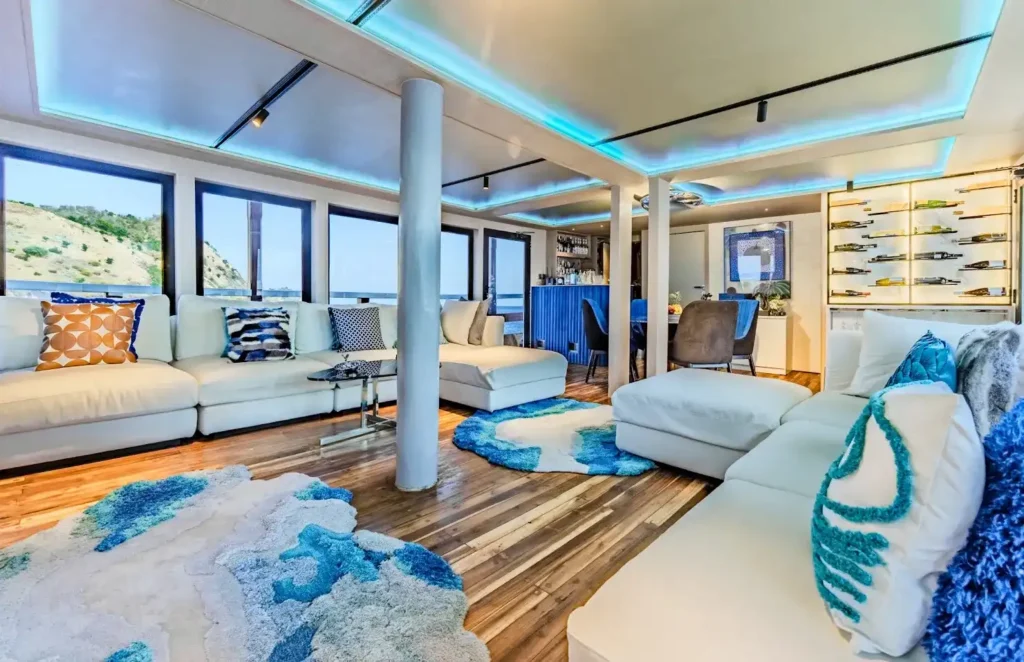
Traditional Phinisi Meets Modern Wellness on Kayra Phinisi Yacht
Experience the perfect blend of traditional Indonesian craftsmanship and modern wellness luxury on Kayra Phinisi Yacht.…
Read more →Introduction to Boat Building in Indonesia
Explore the rich tradition of boat building in Indonesia, especially in Bulukumba, Sulawesi. Learn about the techniques…
Read more →Sustainable Boat Building: A New Era of Luxury Yachting
Discover how Boat Komodo Trip crafts eco-conscious luxury boats that balance tradition with modern sustainability.…
Read more →
Building Your Dream Yacht in Indonesia: Expertise and Luxury Awaits
Discover why Indonesia is the ultimate destination for luxury yacht construction. Learn about custom yacht design,…
Read more →
Indonesian Boat Builders: Craftsmanship Meets Innovation
Discover how Indonesian shipyards blend traditional Phinisi craftsmanship with modern luxury yacht building. Explore…
Read more →