
Why Boat Investments Are Gaining Ground
Owning a yacht used to be all about luxury and status, but that perception is evolving. Today, more high-net-worth individuals see yacht ownership not just as a personal indulgence, but as a strategic investment. It’s quickly becoming a smart asset that blends lifestyle, privacy, and business opportunity. One of the biggest draws of owning a yacht is unmatched privacy. In a world where space and seclusion are increasingly valuable, a private vessel offers the freedom to escape the crowds and enjoy exclusive moments with friends or family. Add in luxury amenities like helipads, sports facilities, and spa areas, and you’ve got a floating five-star retreat that’s always ready to sail. Beyond the lifestyle appeal, yachts are now viewed as income-generating assets. When you’re not using your boat, it can be chartered for high-end trips, corporate retreats, weddings, or private events—turning downtime into revenue. As global demand for marine tourism and private charters grows, the market value of luxury yachts is also rising, offering strong potential for capital appreciation.
Indonesia’s Boat Investment Potential: Why Now Is the Time
Indonesia is famous for its rich marine life and countless islands—over 17,000 of them. Two hotspots stand out: Bali and Komodo Island. With more and more travelers searching for private, exclusive getaways on the water, boat investments here are getting a lot of attention. Bali is not just about culture and gorgeous beaches. It has the infrastructure to support luxury boats, so “boat building Bali” is a rising trend. Komodo Island is home to the world-famous Komodo dragons and crystal-clear waters. Labuan Bajo is the gateway to some of the best marine adventures on the planet.
Why Investing in a Yacht or Boat in Indonesia Is So Appealing
Indonesia’s tropical weather, crystal-clear waters, and thriving tourism scene offer the perfect backdrop for a profitable and enjoyable boat investment. Huge market for yacht rentals Many domestic and international tourists are discovering how fun it is to sail in tropical waters. That means plenty of potential customers eager to try a Bali sunset cruise or Komodo liveaboard trip. Year-round tropical climate Since Indonesia is in the tropics, you can run boat tours any time of the year. There’s no “off-season” like in many Western countries with harsher winters. High profit margins for luxury packages Exclusive boat tours often come with premium price tags. If you invest in a well-equipped yacht with top-notch facilities, you can offer luxury packages that include a private chef, professional guides, and unique marine activities—all at a premium rate.
Pricing
Rates as published on our legacy listing. Contact us for current availability, seasonal rates, and private-charter offers.
| Category | Price |
|---|---|
| Activities High | $100 |
| From Mark Zuckerberg to You—It’s Time to Own Your Own Boat with Boat Komodo Trip High | $100 |
Frequently Asked Questions
What are the benefits of owning a yacht?
Why should I invest in a yacht in Indonesia?
What are the different business models for yacht investments?
What are the important things to consider before investing in a yacht?
Related Blog Posts
Monetizing Your Yacht in Indonesia: A Guide
Discover how to turn your yacht into a profitable venture with Boat Komodo Trip. Explore our yacht services and learn…
Read more →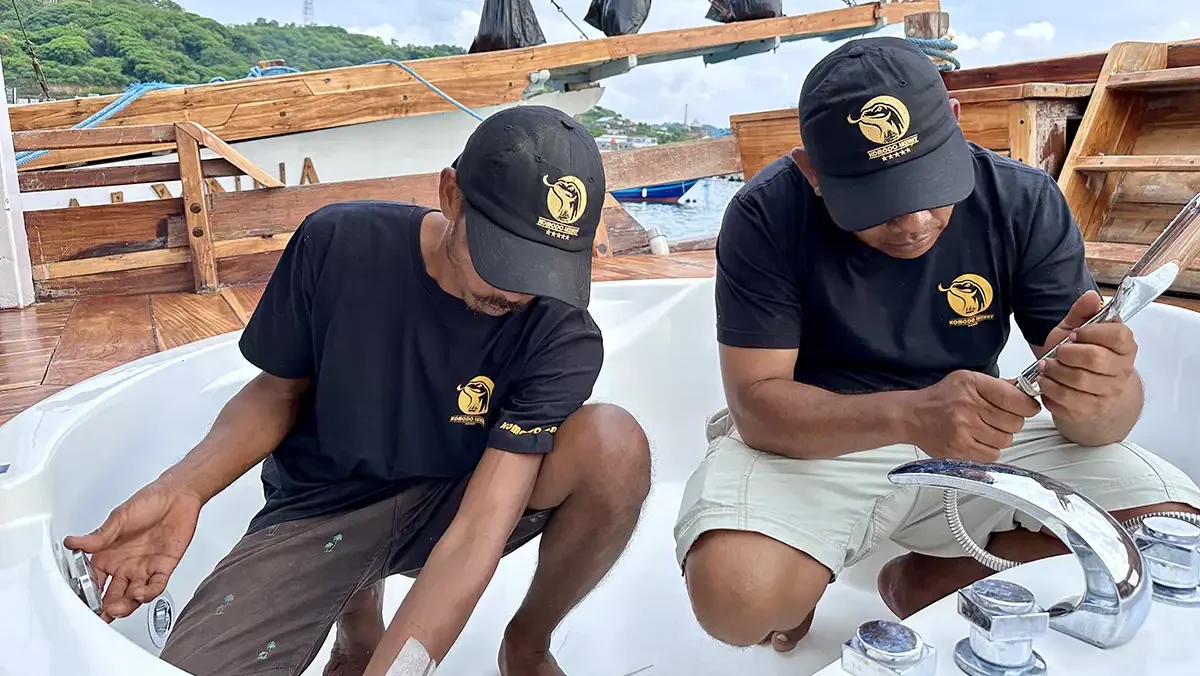
Building Your Dream Yacht in Indonesia: Expertise and Luxury Awaits
Discover why Indonesia is the ultimate destination for luxury yacht construction. Learn about custom yacht design,…
Read more →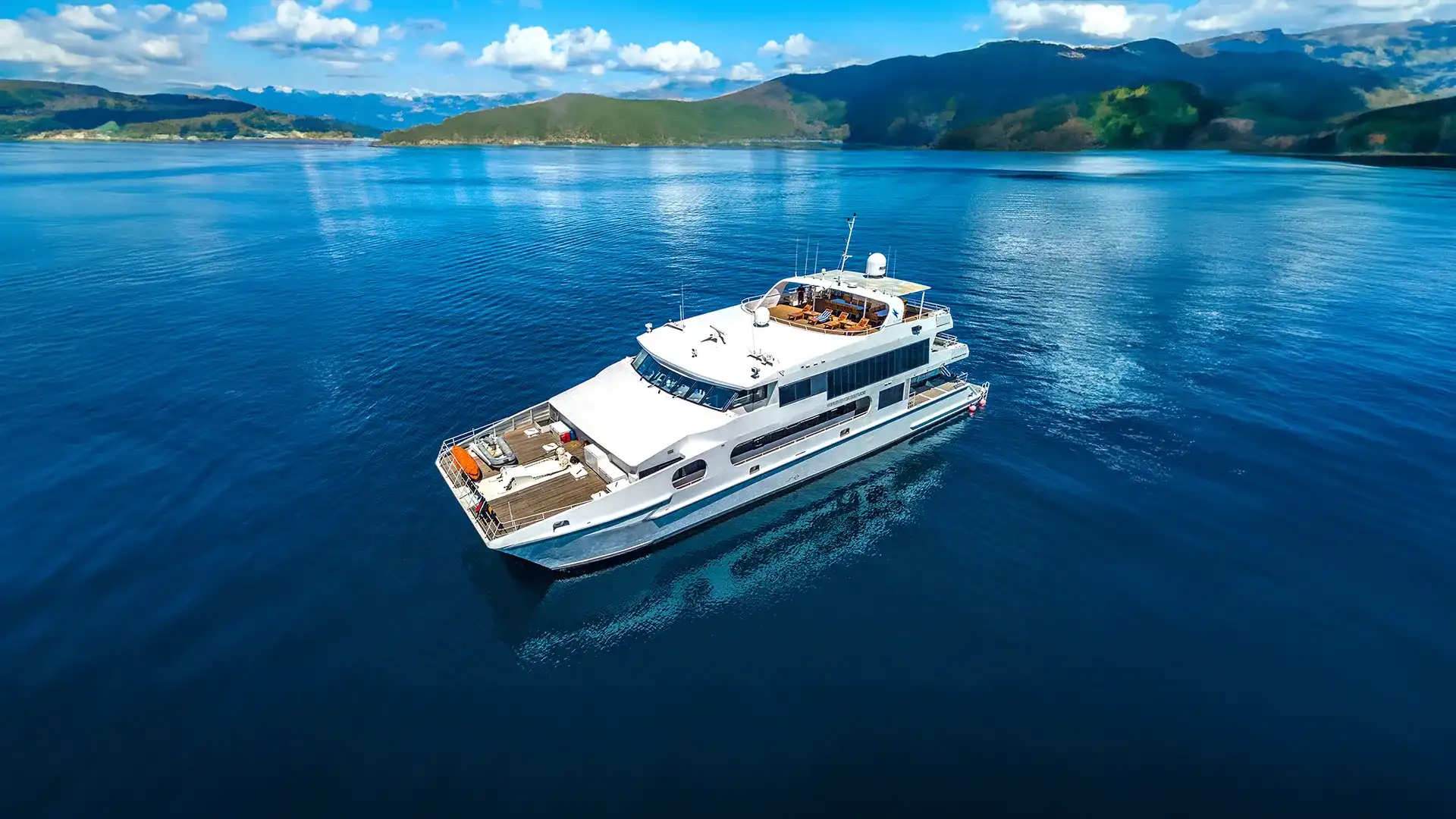
Is Owning a Yacht in Indonesia Worth It?
Discover the benefits and costs of yacht ownership in Indonesia, and how Boat Komodo Trip's Boat Investment Service can…
Read more →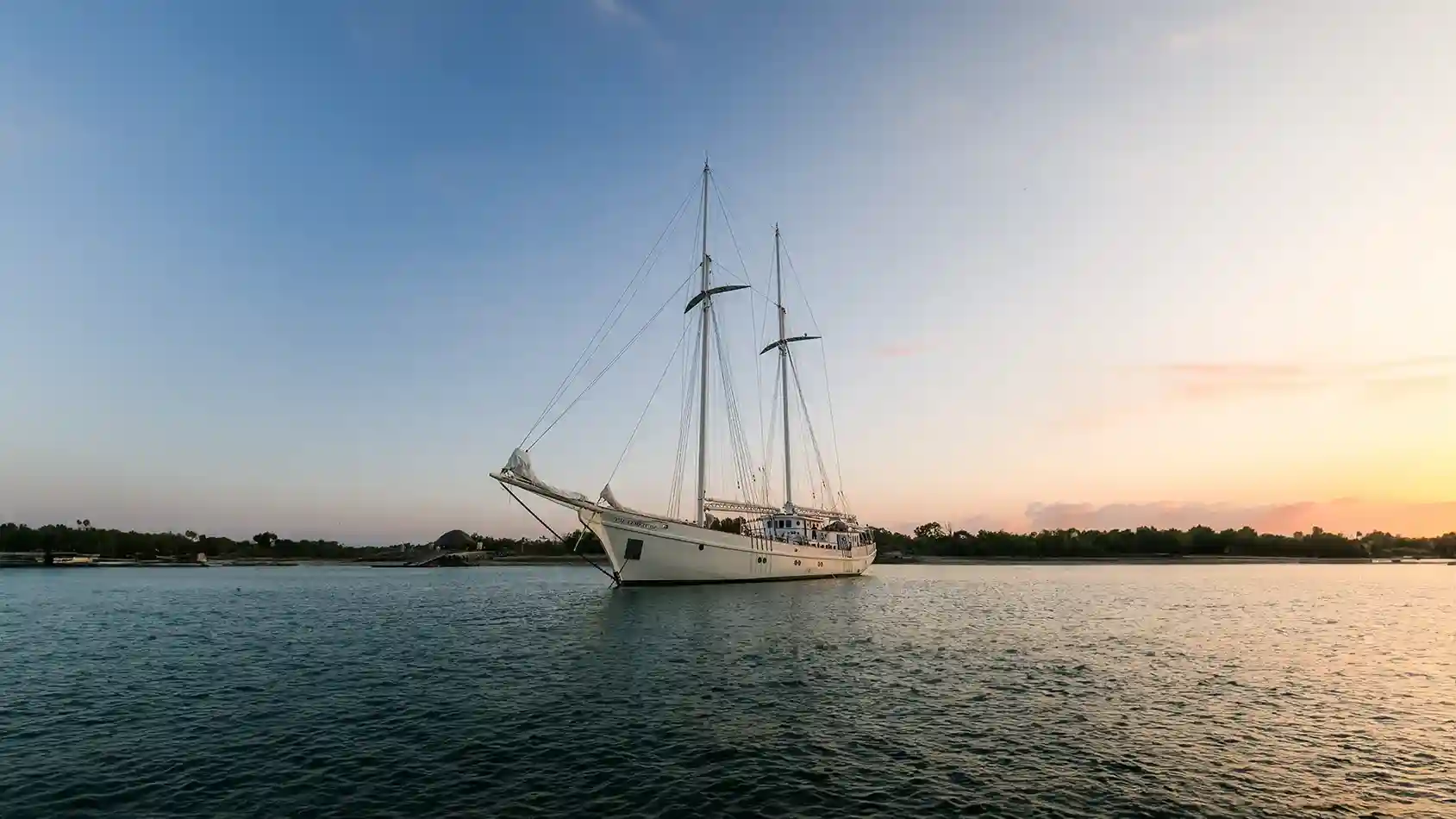
Indonesia Luxury Yacht Charter: Unparalleled Freedom and Comfort
Discover the ultimate way to explore Indonesia's 17,000 islands with a luxury yacht charter. Book your dream escape…
Read more →Indonesia Yacht Charter: Unspoiled Islands & Unforgettable Luxury
Explore Indonesia's unspoiled islands in luxury with a private yacht charter from Boat Komodo Trip. Book now for an…
Read more →