Kinabalu and Komodo National Parks: Wild Asia Adventures

Two parks. One region. Worlds apart in landscape and experience. From misty mountain peaks in Borneo to dragon-inhabited islands in Nusa Tenggara, Southeast Asia’s natural wonders invite deep exploration.

Why Kinabalu National Park Captivates Adventurers

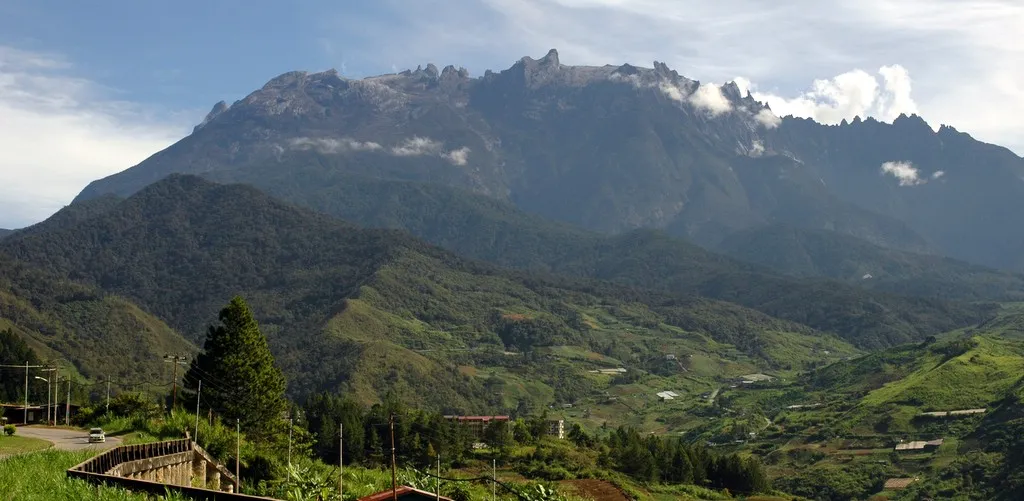
Tucked in Sabah, Malaysian Borneo, Kinabalu National Park centers around Mount Kinabalu—the tallest peak in Southeast Asia and a UNESCO World Heritage site. At 4,095 meters, its summit pierces the clouds, drawing climbers through layers of tropical forest, montane woodland, and alpine meadows. The ascent is challenging but non-technical, making it accessible to determined trekkers without mountaineering experience.

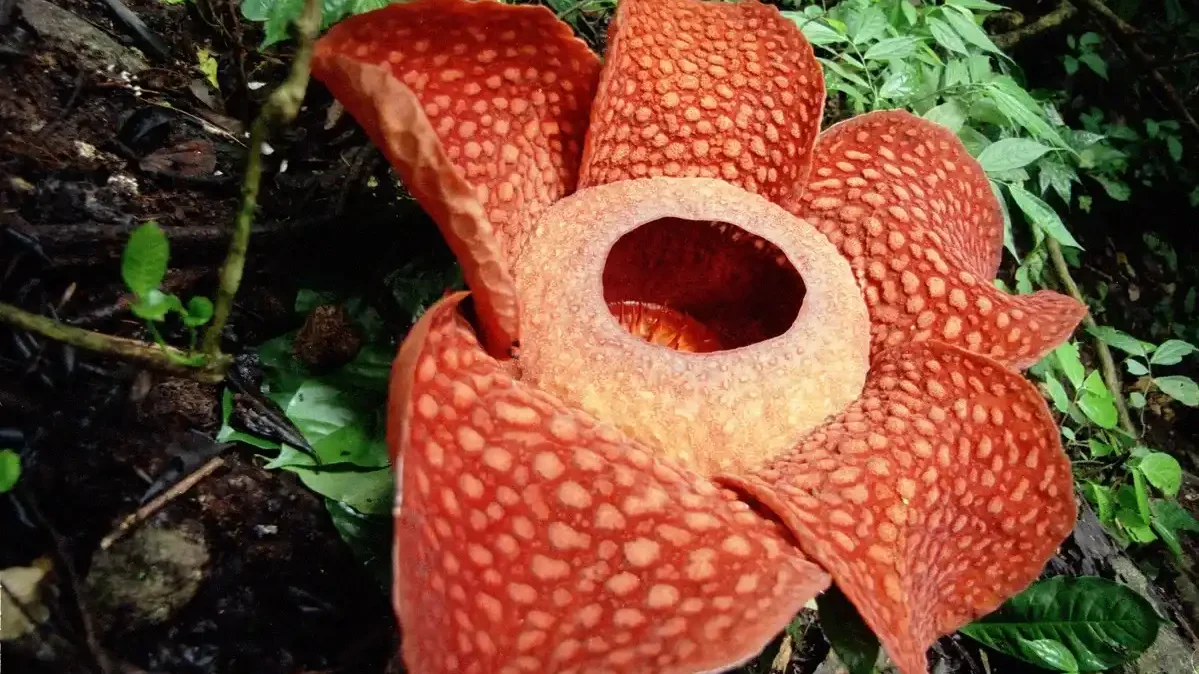
Beyond the summit push, the park thrives with quieter adventures. Nature walks along well-maintained trails reveal pitcher plants, orchids, and mossy forests. Bird watchers spot the Bornean Treepie and Mountain Serpent Eagle, while botanists marvel at the Rafflesia—nature’s largest flower, blooming up to one meter wide. The park’s elevation gradient supports rare species like the Kinabalu Giant Red Leech and the elusive Bornean ferret badger, underscoring its ecological significance.

Rafflesia

Komodo National Park: Where Land Meets Ocean Wildness

Off the coast of Flores, Komodo National Park is a dual-realm wilderness—home to the world’s largest lizard and some of the planet’s most vibrant underwater ecosystems. The park spans Komodo, Rinca, and Padar Islands, plus dozens of smaller ones, all protected as a UNESCO site. Guided treks on Rinca or Komodo bring you face-to-face with Komodo dragons in their natural habitat, a humbling encounter with prehistoric power.

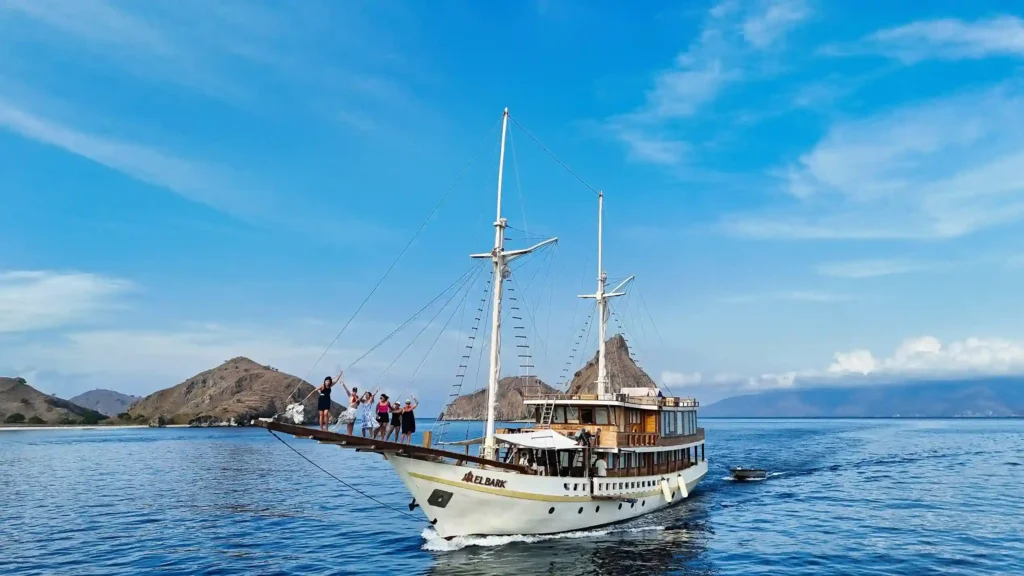
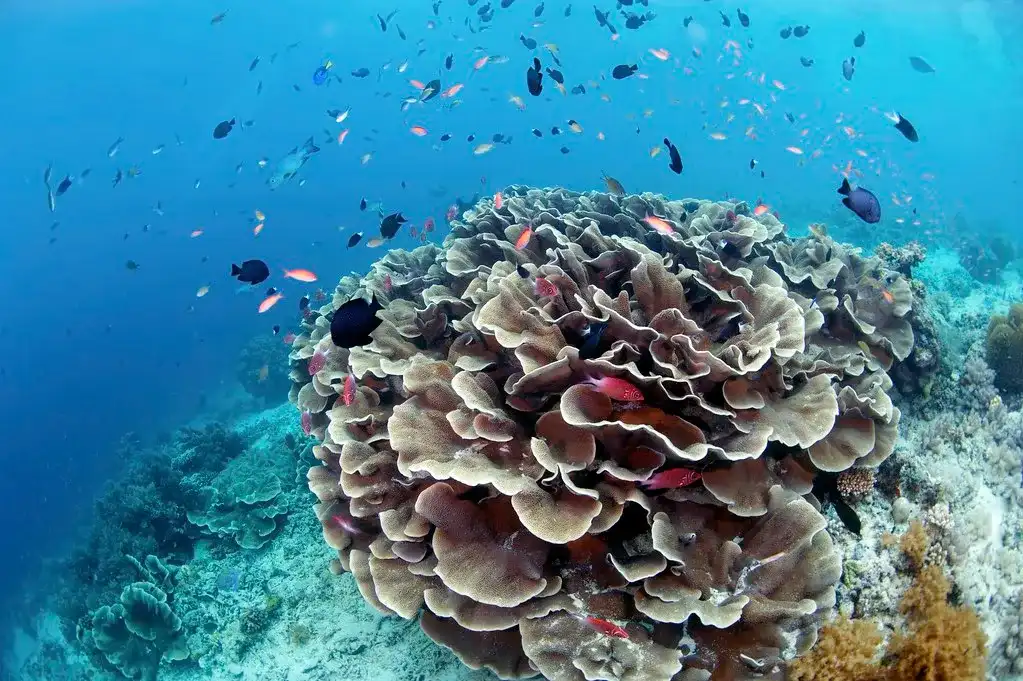
Beneath the waves, coral gardens teem with life. Manta Point draws divers alongside graceful manta rays, while Batu Bolong and Crystal Rock showcase hard and soft corals in dazzling formations. The park lies in the Coral Triangle, the epicenter of marine biodiversity, where reef sharks, turtles, and schools of jack fish are common sights. Sailing through the archipelago on a traditional Phinisi boat connects these worlds, offering daily snorkeling stops, island hikes, and sunsets over pink-sand beaches.

Elbark Cruise Phinisi

Planning Your Visit: Access, Stay, and Experience

Kinabalu National Park is accessed via Kota Kinabalu, with lodging options at the park headquarters ranging from basic dorms to cozy lodges. Trails start nearby, and the mountain climb typically takes two days with an overnight at Laban Rata. Permits and guided walks are required, ensuring safety and conservation.

Komodo National Park is best reached through Labuan Bajo, a growing hub with guesthouses and resorts. Most visitors opt for liveaboard trips, which serve as both transport and accommodation. Boat Komodo Trip offers shared and private sailing itineraries, allowing travelers to tailor pace and privacy. Shared trips suit budget-conscious explorers, while private charters provide flexibility for families or groups seeking customized routes and timing.

Frequently Asked Questions

What makes Kinabalu National Park unique?
It’s home to Mount Kinabalu, the tallest mountain in Southeast Asia, and hosts over 5,000 plant species, including the giant Rafflesia flower. Its range of ecosystems—from lowland rainforest to alpine zones—makes it a biodiversity hotspot.
Can I see Komodo dragons safely?
Yes, sightings are guaranteed on guided treks in Komodo or Rinca Islands. Rangers carry tools to manage animal behavior, and visitors must stay on paths and follow instructions to ensure safety.
Which park is better for diving?
Komodo National Park is one of the world’s top diving destinations, thanks to strong currents that bring nutrient-rich water and attract mantas, sharks, and dense coral life. Kinabalu has no marine dive sites.
How do I travel between Malaysia and Komodo?
Fly from Kota Kinabalu (Malaysia) to Labuan Bajo (Indonesia) via connecting hubs like Kuala Lumpur or Bali. Direct flights are limited, so most travelers plan layovers of several hours.