
Why Boats Are Part of Indonesian Culture
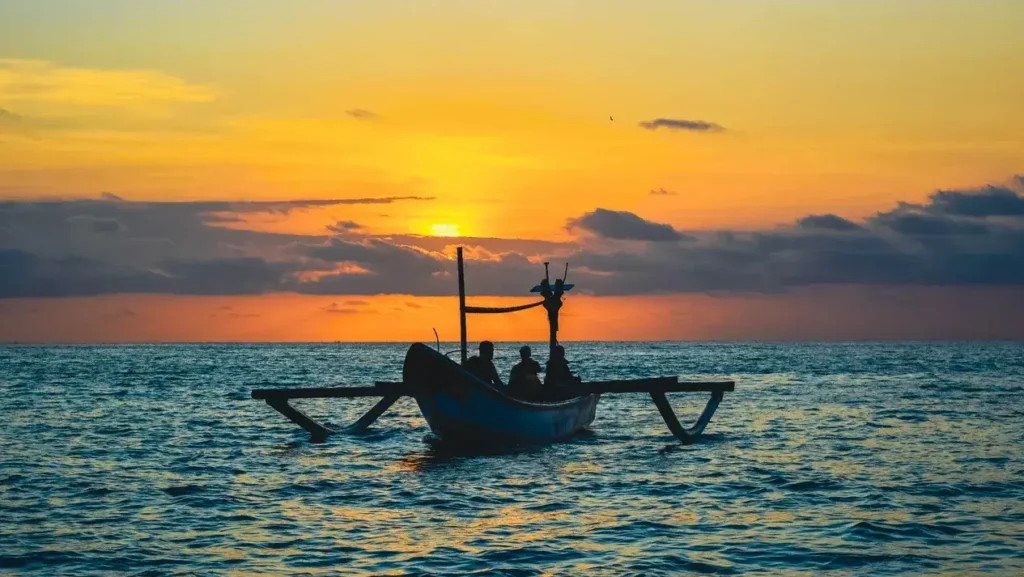
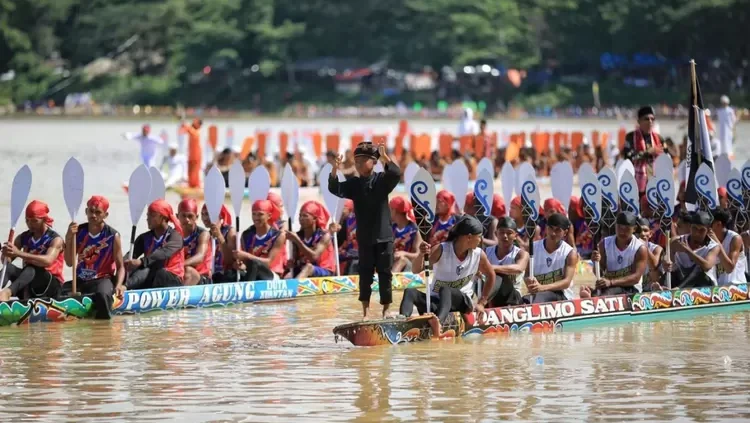
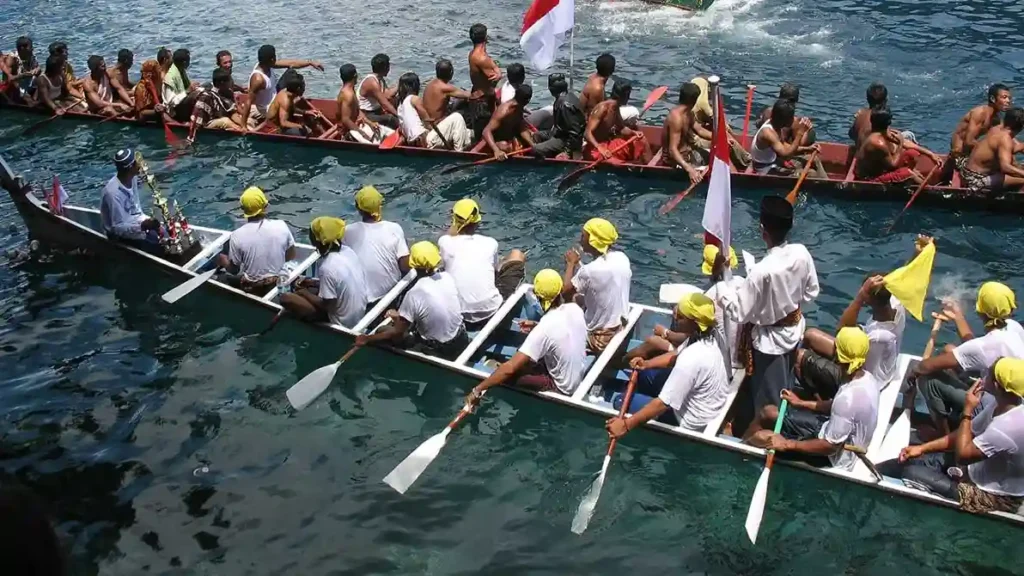
For many communities across Indonesia, boats are more than just vessels on water; they are lifelines that carry stories of survival, connection, and identity. In remote islands where roads are scarce and distances vast, the sea is the highway and boats are the bridges that connect people. They allow for the exchange of goods, visiting relatives, and sustaining traditions that have been passed down for generations. Culturally, boats often embody values that go beyond their physical form, reflecting myths, ancestral symbols, and community pride.
Gallery
Frequently Asked Questions
What is the significance of boats in Indonesian culture?
What types of boats can be found in Indonesia?
How have modern boats impacted Indonesian culture?
What is the difference between a phinisi and a pacu jalur boat?
Related Blog Posts
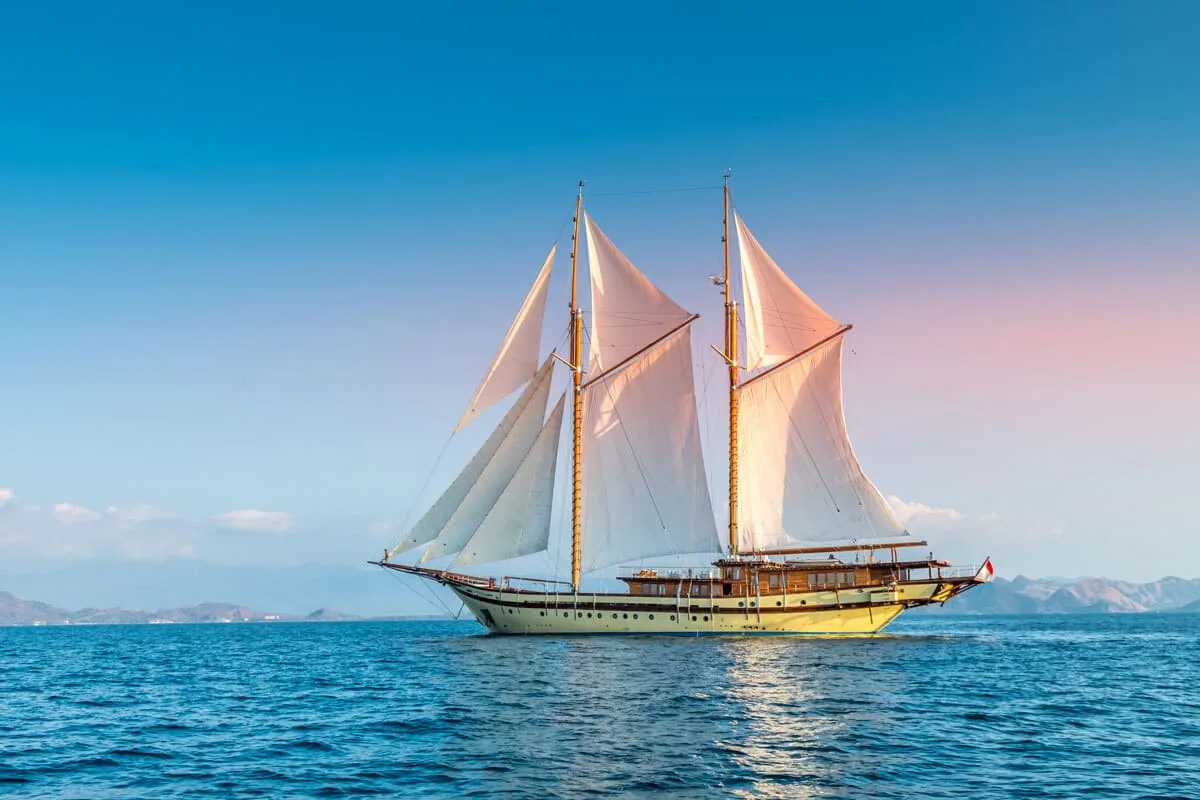
Boats in Labuan Bajo for Komodo Tours
Explore top boats in Labuan Bajo for Komodo National Park adventures. Find your ideal vessel with Boat Komodo Trip and…
Read more →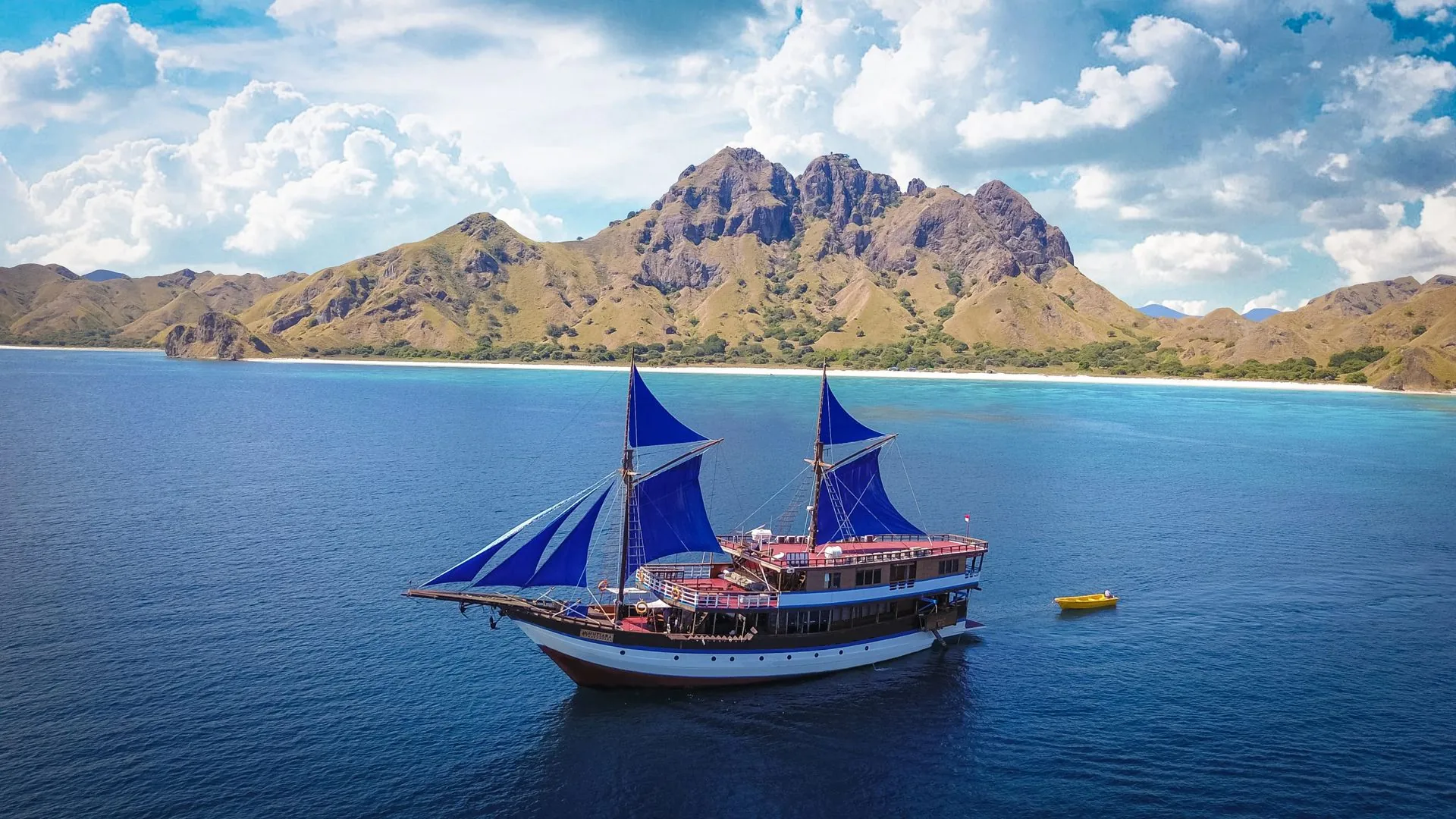
Types of Party Boats: Choosing the Best Boat for Your Celebration
Explore the best types of party boats for unforgettable celebrations. From speedboats to luxury yachts and Phinisi…
Read more →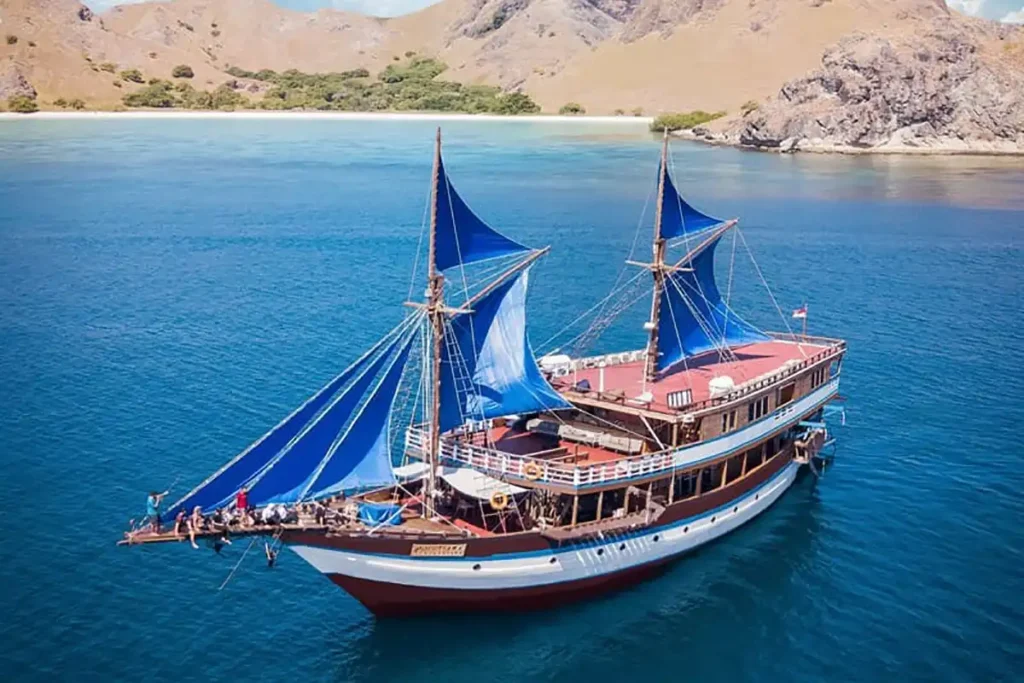
The Best Party Boats in the World
Experience the ultimate party boat adventure with Boat Komodo Trip. From Ibiza to Komodo, discover the best party boats…
Read more →Pontoon Boats: The Ultimate Water Fun Experience
Learn about the versatility and comfort of pontoon boats and how they can be used for various water activities. Book…
Read more →
Traditional Phinisi Meets Modern Wellness on Kayra Phinisi Yacht
Experience the perfect blend of traditional Indonesian craftsmanship and modern wellness luxury on Kayra Phinisi Yacht.…
Read more →