
1. Wae Rebo Village: Culture High in the Clouds
Perched in the mountains of Manggarai, Wae Rebo Village is a living cultural treasure. Accessible via a challenging but rewarding trek through rice terraces and cloud forest, this traditional community lives in seven cone-shaped houses called Mbaru Niang. Built entirely from wood, bamboo, and thatched alang-alang grass, these structures reflect a deep harmony with nature.
Visitors are welcomed as guests, not spectators. Staying overnight allows you to share meals with families, learn about local beliefs, and witness rituals passed down for generations. Wae Rebo isn’t just a destination—it’s an invitation to slow down and reconnect with the roots of communal life.
2. Rangko Cave: A Hidden Lagoon of Turquoise Light
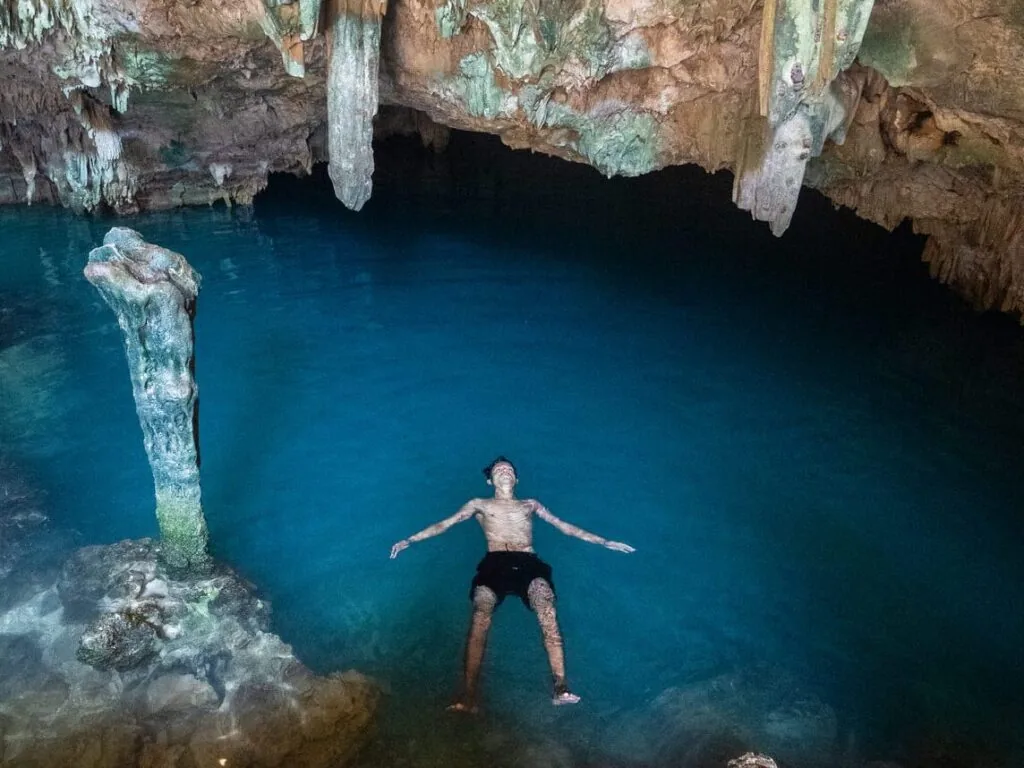
Just a short boat ride from Labuan Bajo, Rangko Cave feels like stepping into another world. Sunlight filters through cracks in the limestone ceiling, illuminating a natural pool in vivid shades of turquoise and emerald. The water is cool and inviting, perfect for a refreshing swim in a setting that feels both ancient and otherworldly.
Stalactites hang from the cave’s ceiling, and the air carries a quiet hush broken only by dripping water. Because it’s tucked away from major roads, Rangko remains relatively uncrowded—ideal for travelers seeking serenity and a touch of adventure.
3. Kelimutu National Park and Its Colored Lakes
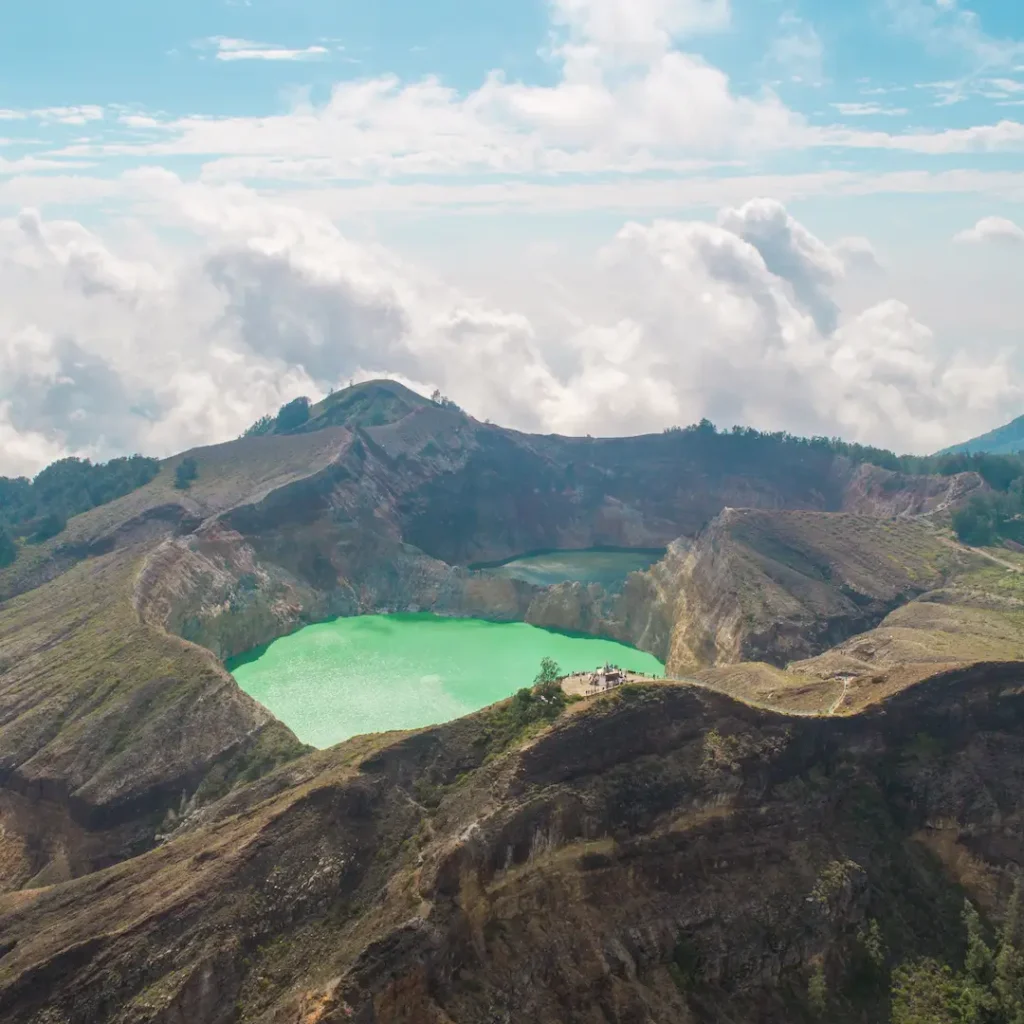
Few natural wonders in Indonesia match the surreal beauty of Kelimutu’s three crater lakes. Nestled atop a volcano in central Flores, each lake shifts in color—ranging from deep blue and bright green to rusty red—due to chemical reactions influenced by volcanic gases and temperature.
The best time to visit is at dawn, when the first light paints the lakes in soft, shifting hues and the mist rises from the caldera. The 30- to 45-minute hike from the ranger station is gentle and well-maintained, making it accessible to most travelers. Local Ngada communities believe the lakes are spiritual resting places for ancestors, adding a layer of cultural reverence to the experience.
4. Cunca Rami Waterfall: A Jungle Cascade Worth the Trek
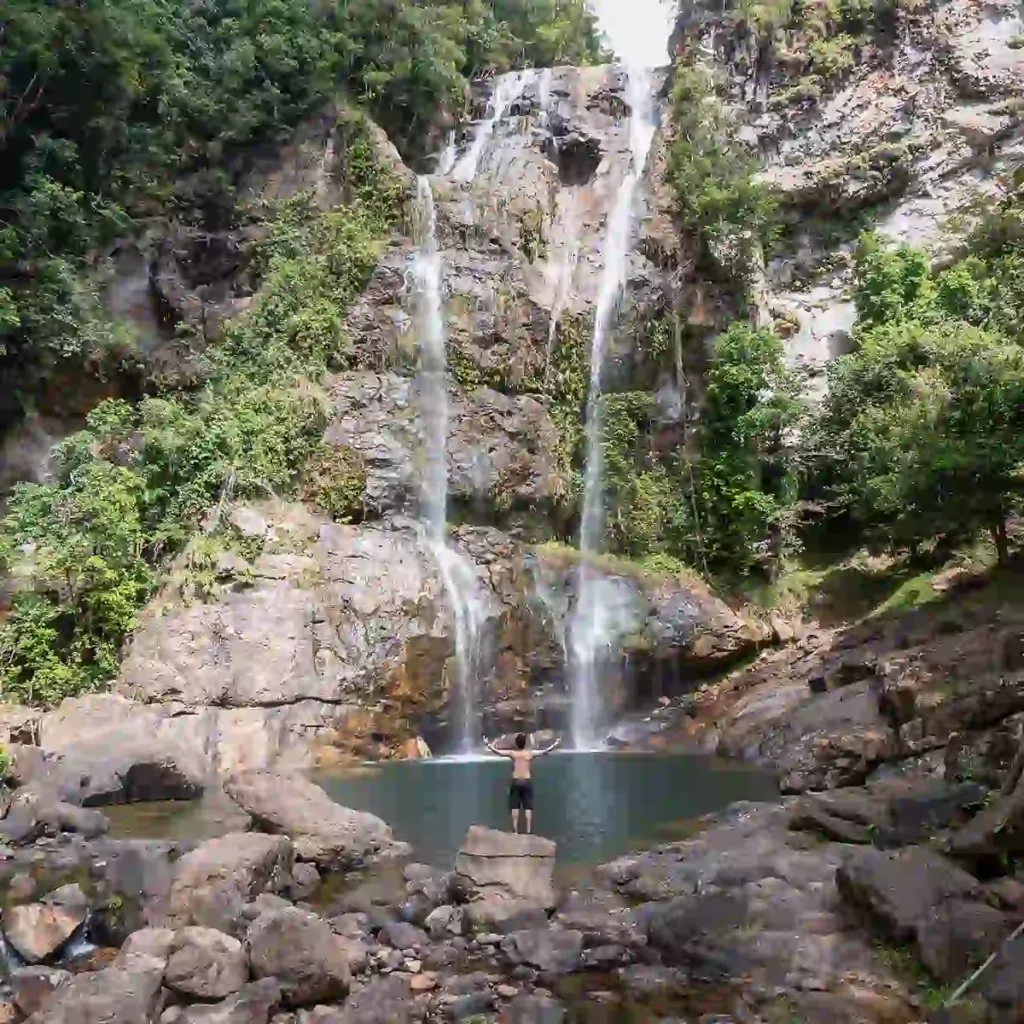
Tucked in the hills near Ruteng, Cunca Rami Waterfall plunges about 50 meters into a clear natural pool surrounded by moss-covered rocks and dense foliage. The path down requires some care—wet stones and narrow trails are part of the adventure—but the payoff is a secluded oasis where you can swim in cool, mineral-rich water.
The surrounding forest hums with birdlife and the sound of rushing water. Because it’s off the main tourist circuit, you’re likely to have the spot mostly to yourself. This is Flores at its most untouched—raw, peaceful, and breathtaking.
5. Cunca Wulang Waterfall: Where Nature Feels Untouched
Even less visited than Cunca Rami, Cunca Wulang offers a similar sense of discovery. Water tumbles down a tall cliff into a wide pool framed by towering trees and smooth boulders. The journey involves a short hike through a dry riverbed, adding a sense of exploration to the visit.
The pool is perfect for swimming, and the shaded banks make excellent spots for a picnic or quiet reflection. With no facilities nearby, Cunca Wulang remains a place of pure immersion in nature—ideal for travelers who value solitude and authenticity over convenience.
6. Batu Cermin Cave: Where Light Meets Stone
Near Labuan Bajo, Batu Cermin Cave offers a rare geological spectacle. Its limestone walls are embedded with fossilized seashells and coral, and when sunlight hits them at the right angle, they reflect like mirrors—hence the name, which means 'Mirror Rock'.
A short walk leads into the cave’s main chamber, where the glow of fossil-rich walls creates an almost ethereal ambiance. Though not large, the site is rich in scientific and visual interest, offering a glimpse into Flores’s ancient marine past. It’s a quick but memorable stop, especially for families and curious travelers.
7. Sylvia Hill: Sunset Over the Flores Sea
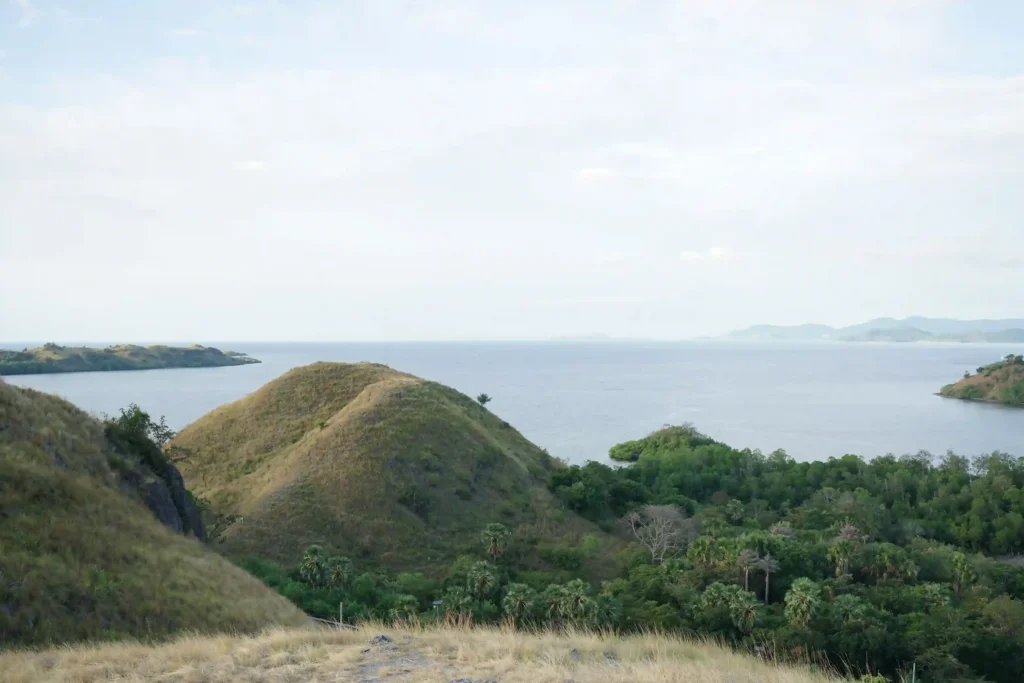
For one of the best sunset views in Labuan Bajo, head to Sylvia Hill (Bukit Sylvia). The climb is gentle—about 15 to 20 minutes up a well-worn path—and rewards you with panoramic vistas of the bay, scattered islands, and the town below.
As the sun dips below the horizon, the sky blazes in orange and pink, reflecting off the water. Locals and travelers often gather here with cameras and snacks, creating a warm, communal vibe. It’s a simple pleasure, but one that captures the quiet magic of Flores evenings.
8. Koka Beach: A Secluded Stretch of Golden Sand
Tucked along the southern coast in Sikka, Koka Beach is a hidden stretch of golden sand framed by rocky headlands and coconut palms. The water is calm and clear, ideal for swimming or floating in the gentle surf. Unlike the busier beaches near Labuan Bajo, Koka sees few tourists, making it a peaceful retreat.
The surrounding area is dotted with small fishing boats and local homes, offering glimpses into coastal Flores life. Bring your own supplies, as amenities are minimal—but that’s part of its charm. Koka is the kind of beach where time slows, and the rhythm of the waves becomes your only schedule.
9. Mbeliling Nature Reserve: Biodiversity Above and Below
Just a short drive from Labuan Bajo, Mbeliling Nature Reserve protects one of Flores’s last intact rainforest corridors. The area is a haven for birdwatchers, with species like the Flores hawk-eagle and the rainbow bee-eater flitting through the canopy.
Well-marked trails wind through the forest, crossing streams and offering ocean views. Conservation efforts here include community-led ecotourism, meaning your visit supports local rangers and sustainable practices. Whether you're hiking, birding, or simply breathing in the cool forest air, Mbeliling is a reminder of how deeply nature and people are connected on this island.
10. Riung 17 Islands: A Marine Paradise
East of Bajawa and north of the mainland coast, the Riung 17 Islands stretch across the Flores Sea like a string of pearls. Each island is fringed with white sand and coral-rich waters, making this one of the best spots for snorkeling, kayaking, and island-hopping.
The area is protected under marine conservation programs, so the underwater life remains vibrant—reef sharks, turtles, and schools of tropical fish are commonly seen. Day trips from Labuan Bajo or Bajawa often include lunch on a sandbar and free time to explore. It’s a place where the sea feels endless, and the sky meets the horizon in every direction.
Gallery
Frequently Asked Questions
What is the best time to visit Flores Island?
Do I need a guide to visit Wae Rebo Village?
Is Flores safe for independent travelers?
Can I combine Flores with a Komodo Island tour?
Related Blog Posts
Is Flores, Indonesia Worth Visiting? Discover Its Beauty and…
Explore the stunning landscapes, rich culture, and famous Komodo dragons of Flores Island, Indonesia, and discover why…
Read more →Flores Island Traditional Villages: Discover the Culture and…
Explore Flores traditional villages like Wae Rebo and Bena. Experience ancestral customs, unique architecture, and…
Read more →
10 Must-Visit Spots in Flores Beyond Komodo Island
Explore the uncharted beauty of Flores Island, Indonesia, beyond Komodo Island. Discover stunning beaches, waterfalls,…
Read more →Top 7 Things to Do in Flores Island, Indonesia
Explore the top things to do in Flores Island, Indonesia, from trekking and caving to snorkeling and diving. Plan your…
Read more →Best Time to Visit Flores Island
Discover the best time to visit Flores Island for an unforgettable adventure! Book your Komodo Island tour with Boat…
Read more →