
Sumatra’s Untamed Wilderness
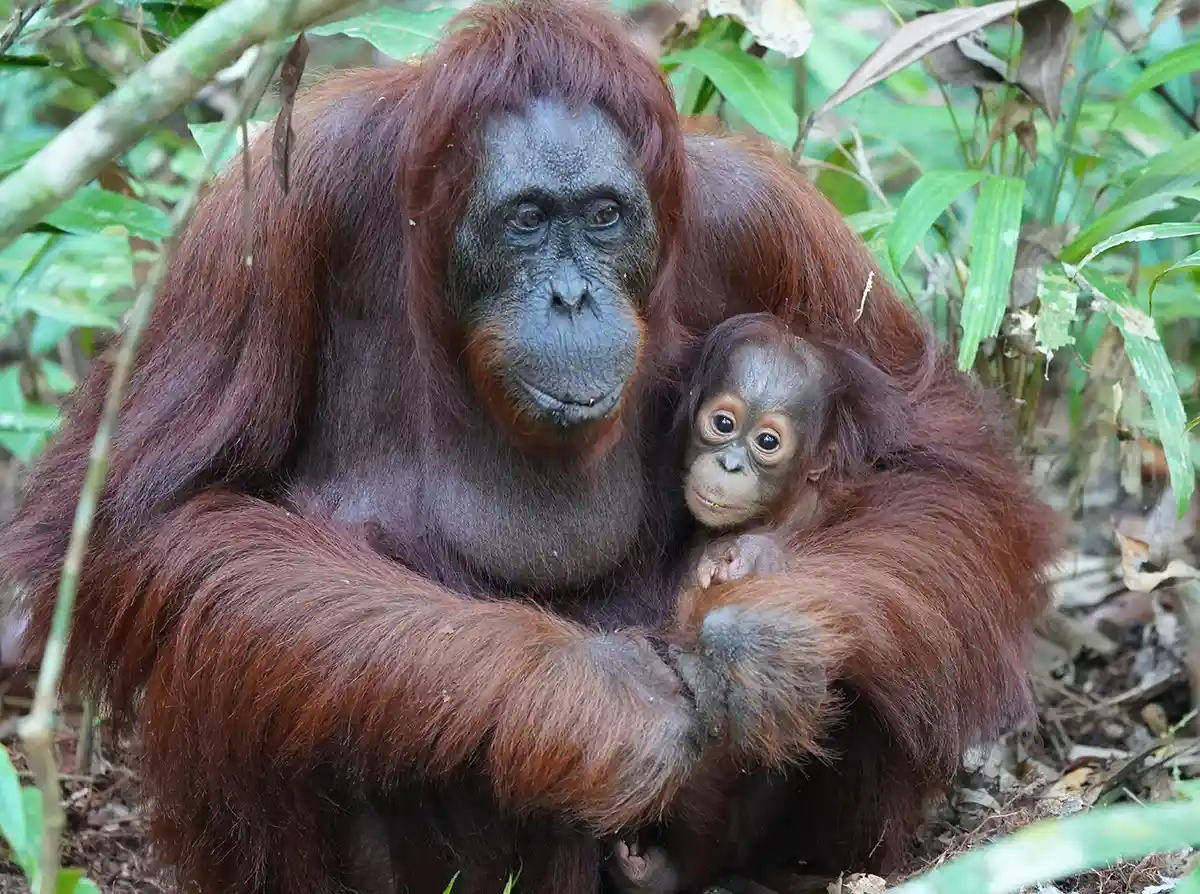
Sumatra stands as one of Indonesia’s most ecologically rich islands, where dense rainforests, towering volcanoes, and ancient cultures converge. Its vast terrain—home to some of the country’s last remaining orangutan populations—invites travelers into a world still shaped by nature’s rhythm rather than urban sprawl. From mist-covered highlands to jungle rivers teeming with life, Sumatra offers a deep dive into wild Indonesia.
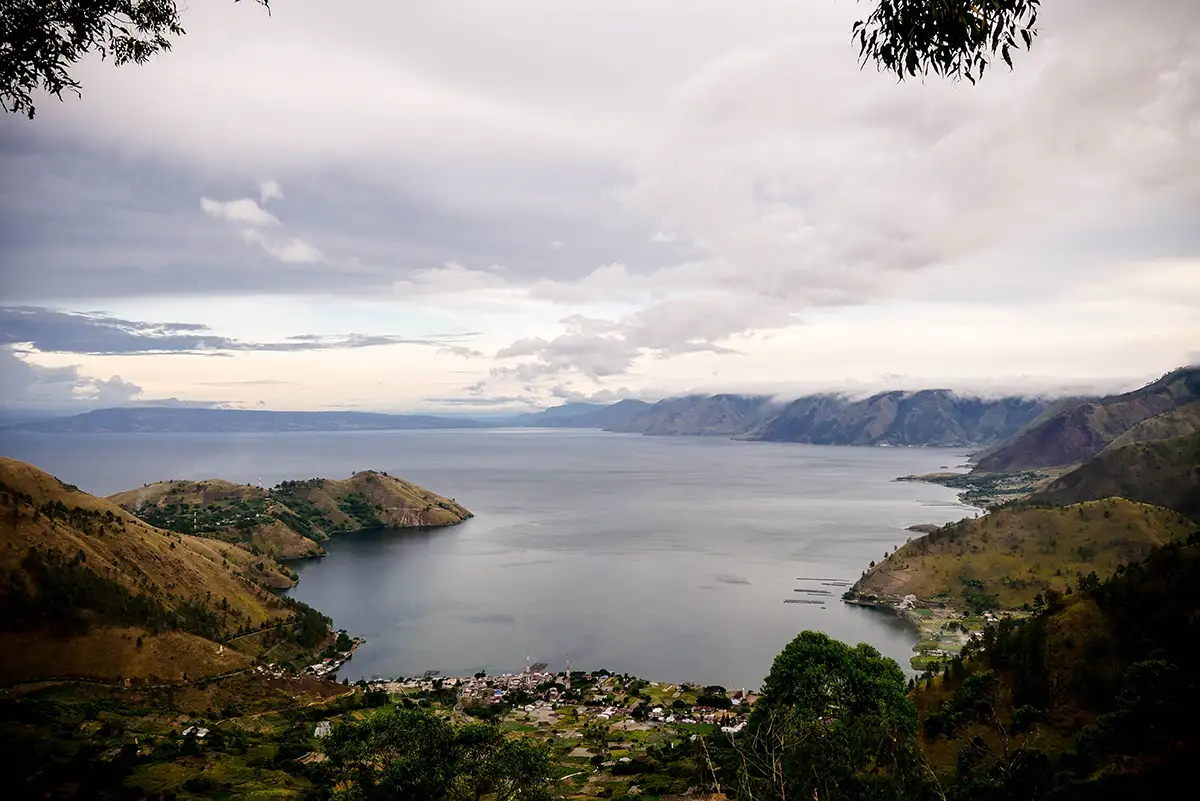
Lake Toba, formed by a supervolcanic eruption over 70,000 years ago, remains the crown jewel of the island. Nestled in North Sumatra, it’s the largest volcanic lake on Earth, cradling Samosir Island at its center. Here, Batak heritage thrives—traditional houses with boat-shaped roofs and intricate wood carvings dot the landscape. Visitors often spend days exploring the island’s villages, hiking trails, and lakeside hot springs, where steam rises into cool mountain air.
Mount Kerinci, rising to 3,805 meters, is not only Indonesia’s tallest active volcano but also a gateway to Kerinci Seblat National Park. This UNESCO-recognized park shelters rare species like the Sumatran tiger, rhino, and elephant. The climb to Kerinci’s summit is demanding—typically a two-day trek through mossy forests and alpine zones—but rewards with panoramic views across Sumatra’s spine. Best attempted between April and September, the dry season offers clearer skies and safer trail conditions.
Java’s Volcanic Heart and Hidden Gorges
Java, though densely populated, holds some of Indonesia’s most dramatic natural spectacles—many born from fire and time. Its volcanic backbone shapes both the land and culture, with mountains revered as spiritual sites and sources of fertile soil. Beyond the bustle of cities like Jakarta and Yogyakarta, Java reveals quieter realms: crater lakes glowing electric blue, river canyons carved into limestone, and highland plateaus shrouded in mist.
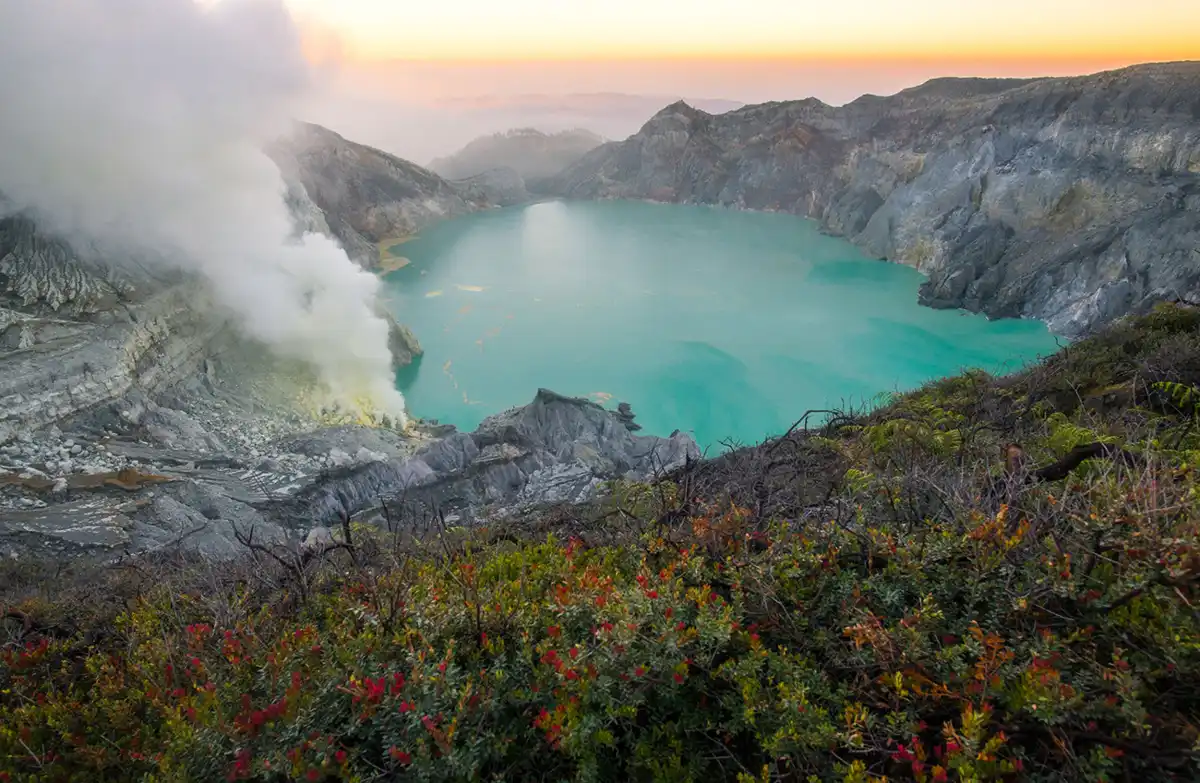
Kawah Ijen, in East Java, is unlike any other landscape on the island. At dawn, trekkers descend into the crater to witness an otherworldly sight—the turquoise lake, acidic and shimmering, emits plumes of sulfuric gas that ignite into blue flames at night. Local miners haul sulfur blocks through the fumes, a stark reminder of how humans coexist with extreme environments. While the hike is accessible, the thin air and pungent fumes demand preparation and respect.
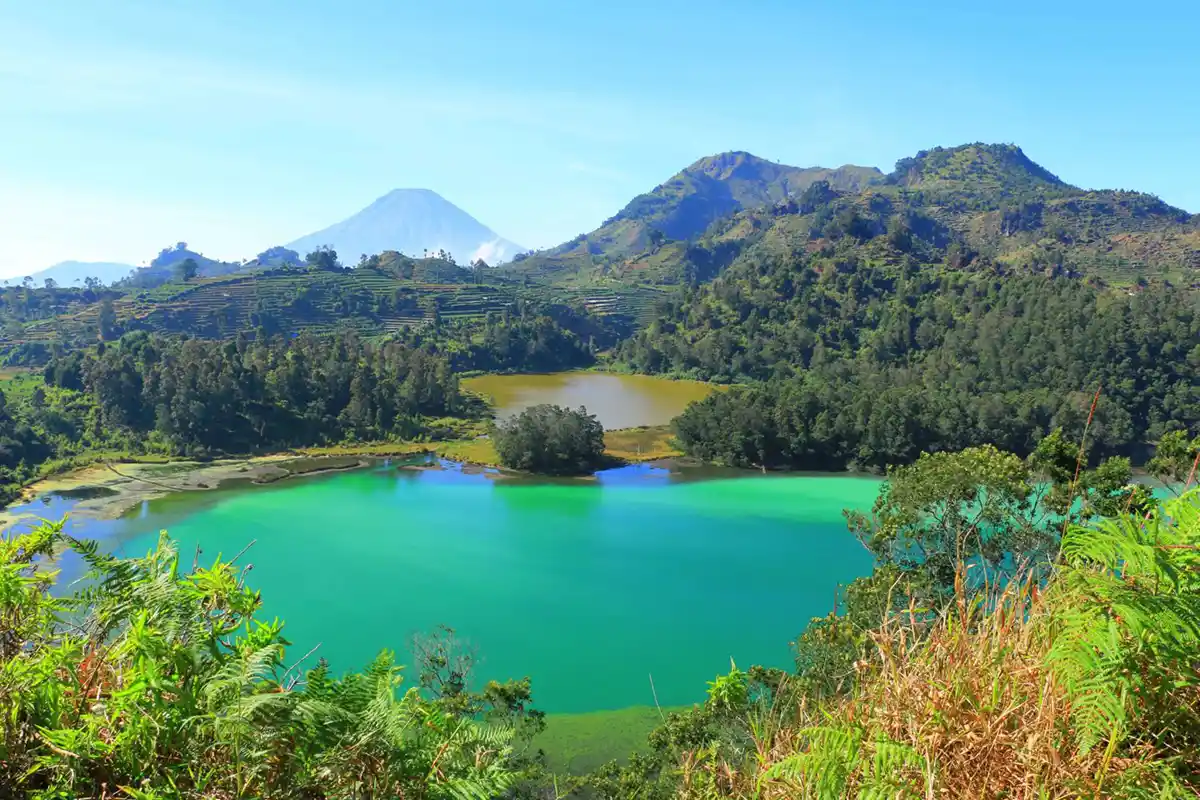
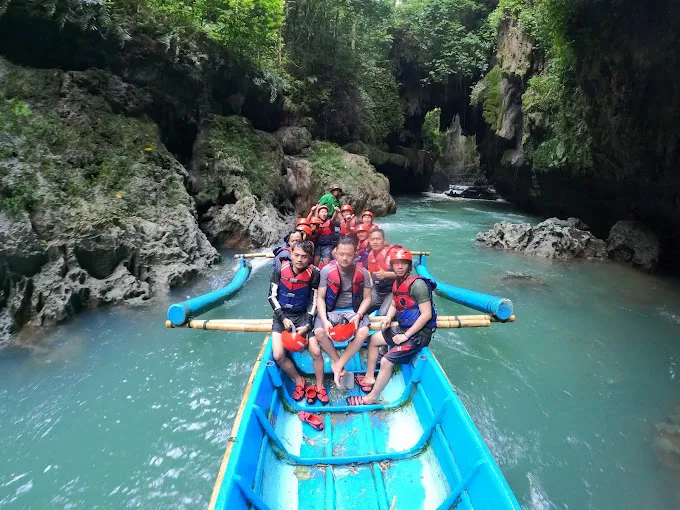
Further west, Dieng Plateau floats above the clouds at 2,000 meters. Known as the “Abode of the Gods,” this ancient volcanic complex features steaming fumaroles, crater lakes in hues of green and blue, and Hindu temples older than those in Bali. The cold mountain air contrasts sharply with Java’s tropical lowlands, making Dieng a refreshing retreat for both body and mind. Nearby, Green Canyon—officially Cukang Taneuh—unfolds along the Cijulang River. A boat ride glides past sheer cliffs draped in jungle, leading to a hidden pool where visitors swim in cool, emerald waters. The canyon’s serenity belies its formation—a slow, relentless sculpting by water over millennia.
Bali, Nusa Tenggara, and the Islands Beyond
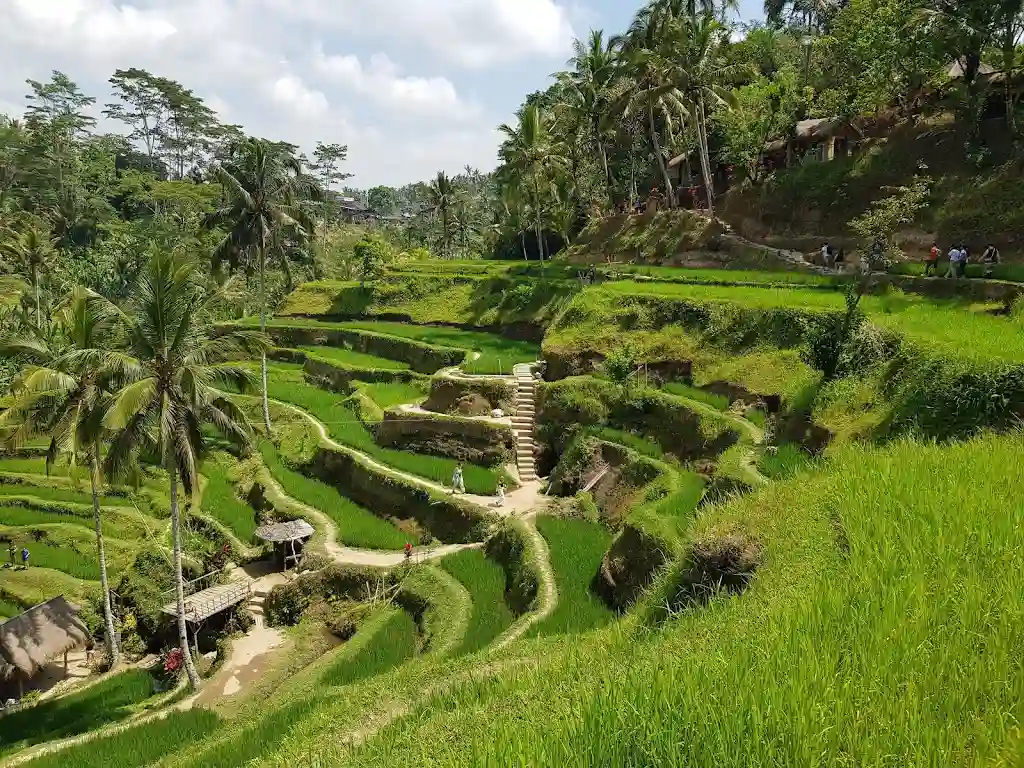
Bali is often celebrated for its temples and beaches, but its terraced hills and sacred volcanoes tell a deeper story of harmony between people and land. The Tegallalang Rice Terraces in Ubud are more than a postcard scene—they’re part of a centuries-old irrigation system called subak, recognized by UNESCO as a cultural landscape. Farmers still follow traditional water-sharing principles, maintaining a balance that sustains both crops and community. Walking through these terraces, you feel the pulse of living agriculture, where every terrace step holds not just water, but heritage.
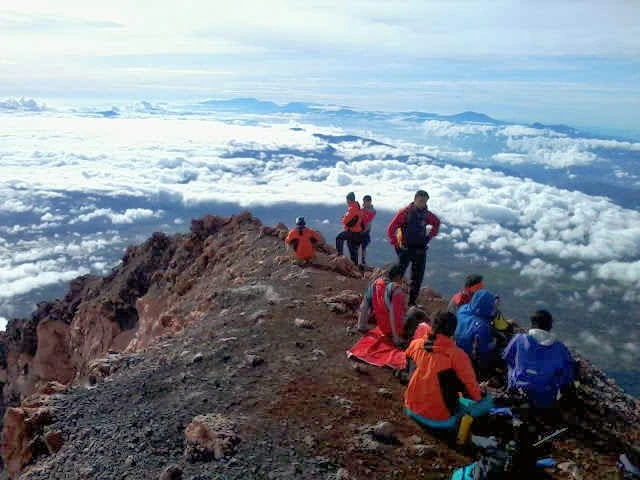
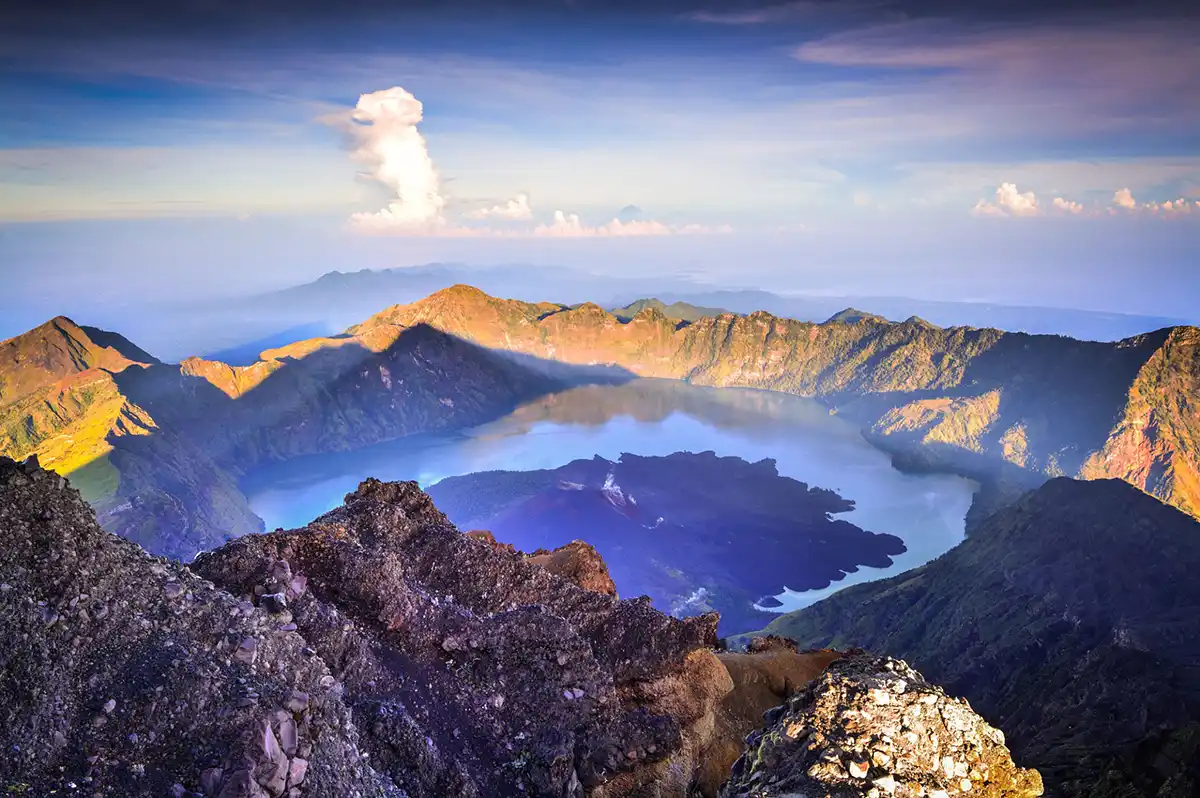
Just east of Bali, the islands of Nusa Tenggara unfold like a maritime wilderness. Lombok’s Mount Rinjani dominates the horizon, a 3,726-meter stratovolcano that draws multi-day trekkers through montane forests and alpine meadows. The journey culminates at Segara Anak, a crater lake often half-frozen at sunrise, surrounded by sulfur vents and wild deer. The climb is challenging, but the silence at dawn—broken only by wind and distant bird calls—makes it unforgettable.
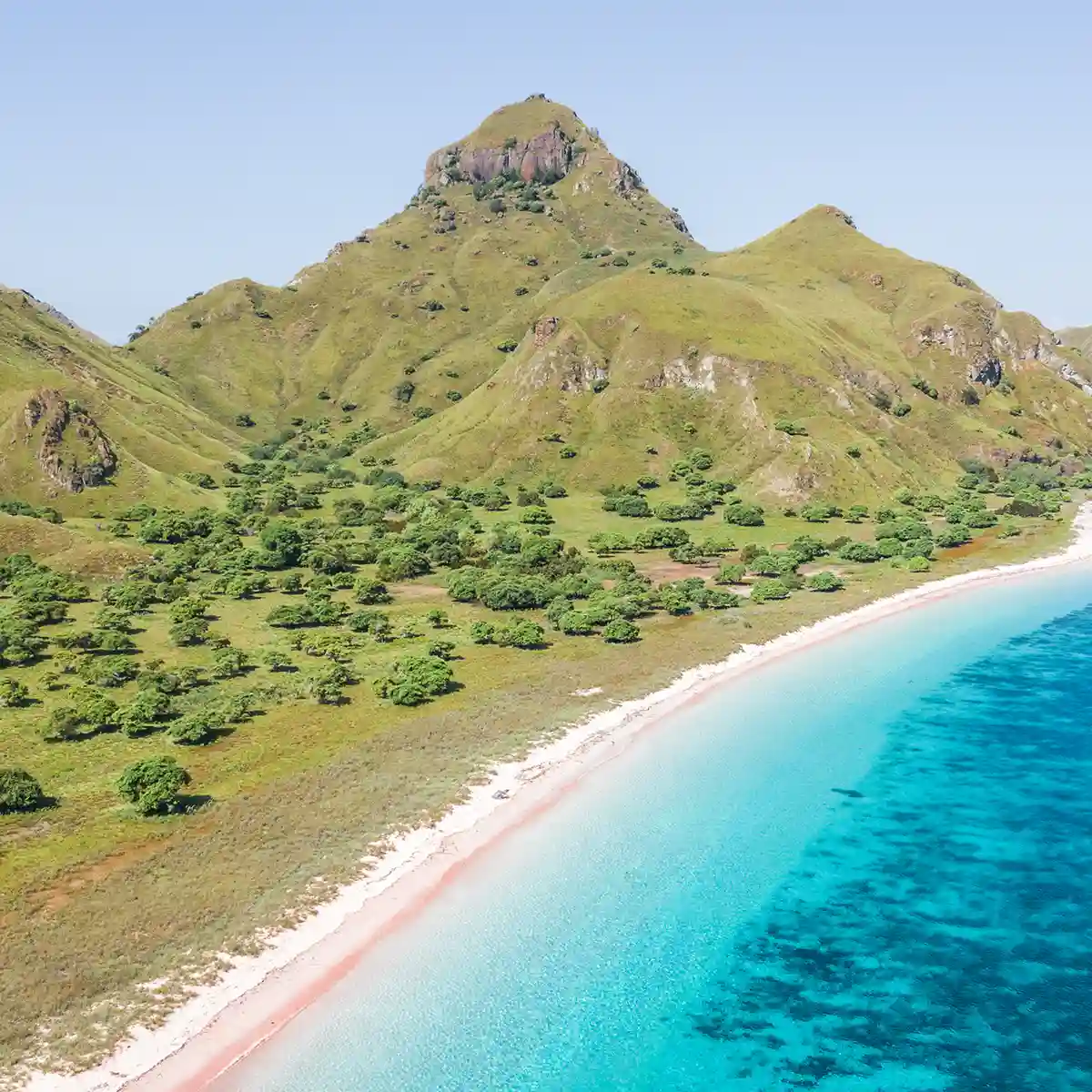
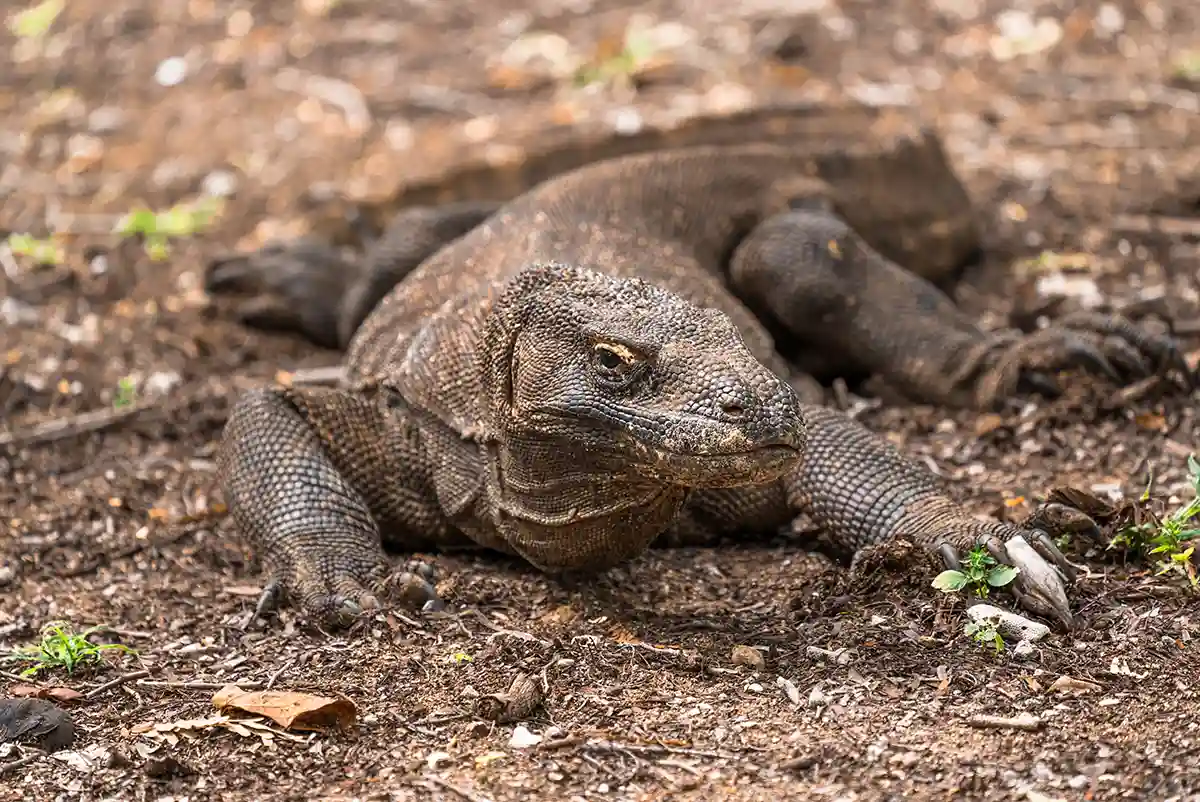
Nearby, Komodo National Park spans over 1,800 square kilometers of land and sea, protecting the legendary Komodo dragon and some of the planet’s richest marine biodiversity. The park includes Komodo and Rinca Islands, where rangers guide visitors through dry savanna to observe these prehistoric predators. But the real magic lies beneath the waves. Snorkelers and divers float above coral gardens teeming with manta rays, reef sharks, and parrotfish. One of the most iconic spots is Pink Beach on Padar Island, where crushed coral gives the sand a blush hue. The color is subtle but unmistakable, especially at low tide, when the water turns translucent and glowing.
Gallery
Frequently Asked Questions
What makes Komodo National Park a famous natural landmark?
Why is Lake Toba considered one of Indonesia’s most significant natural landmarks?
When is the best time to visit Mount Rinjani for trekking?
What causes the pink color of Pink Beach in Indonesia?
Related Blog Posts
Is Flores, Indonesia Worth Visiting? Discover Its Beauty and…
Explore the stunning landscapes, rich culture, and famous Komodo dragons of Flores Island, Indonesia, and discover why…
Read more →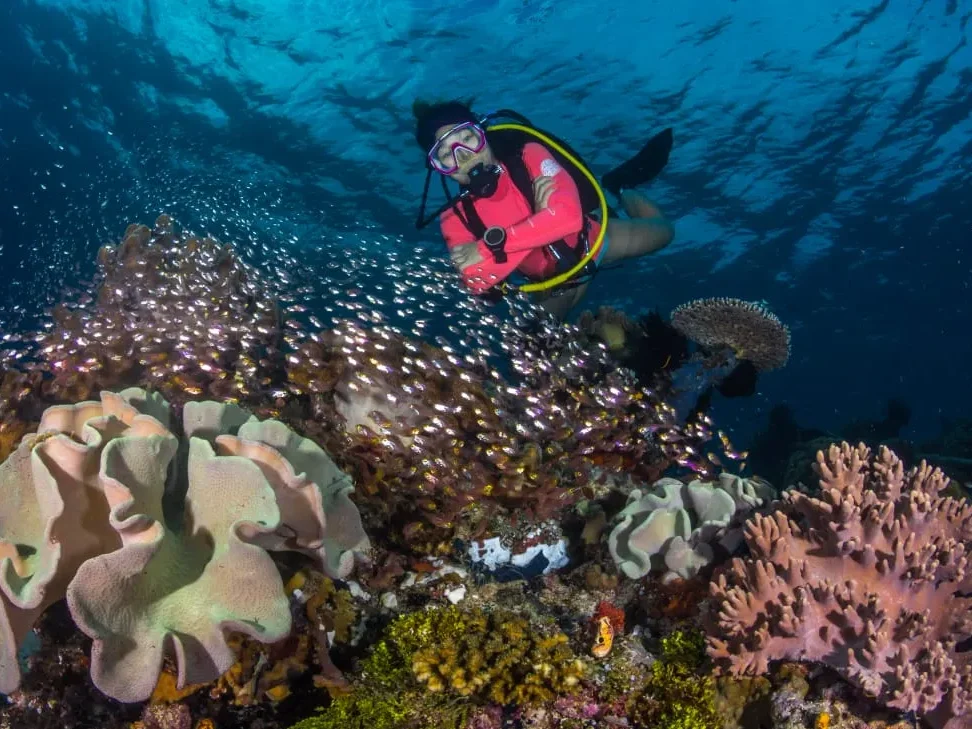
From Monaco to Komodo Island: A Natural Luxury Escape
Swap the Mediterranean for Indonesia’s wild coast. Discover how to travel from Monaco to Komodo Island and experience…
Read more →Komodo Dragon Habitat: Exploring their Natural Environment
Discover where Komodo dragons live, their habitat, and how to see them in their natural environment with Boat Komodo…
Read more →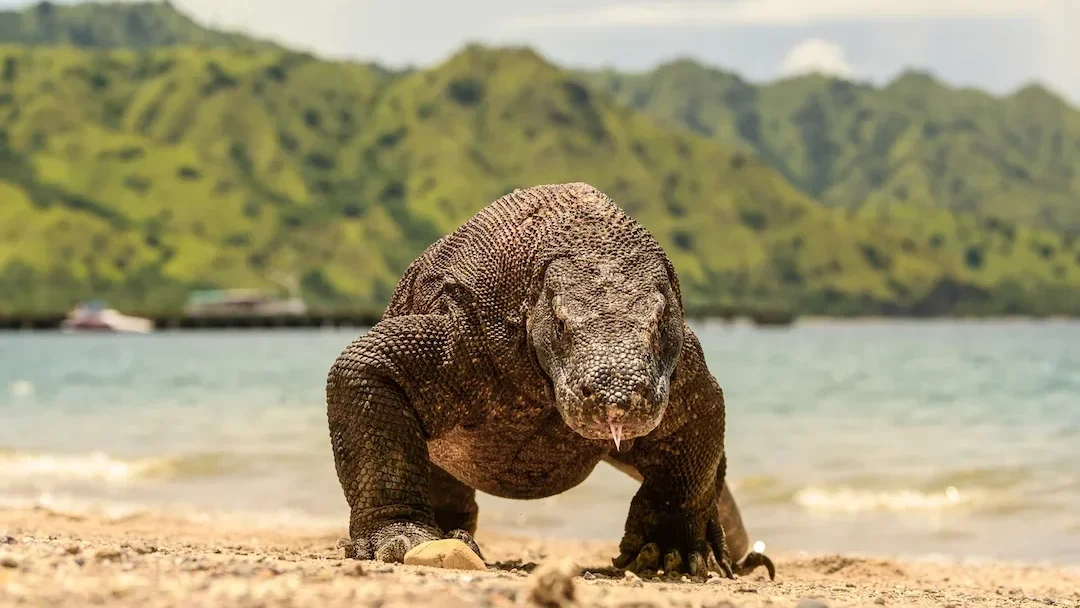
See Komodo Dragons in Their Natural Habitat: From Singapore Zoo to…
Elevate your adventure by visiting Komodo Island to see Komodo Dragons in their natural habitat, a thrilling experience…
Read more →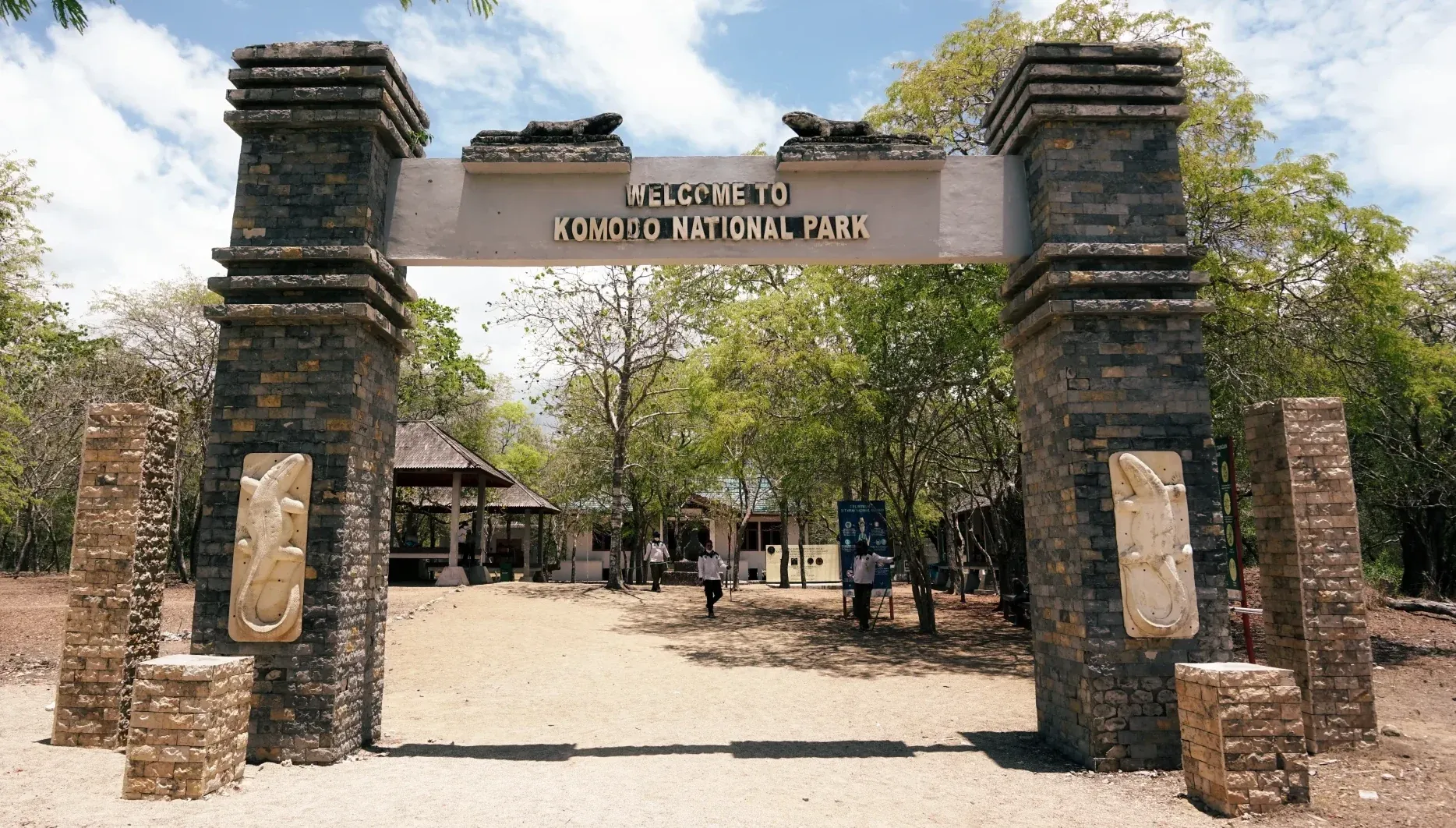
The History of Komodo National Park: A Natural Wonder and UNESCO…
Explore the breathtaking Komodo National Park, a UNESCO World Heritage Site, and discover its unique ecosystems, top…
Read more →