
Why Sumba Stands Out in 2025
Sumba Island, part of East Nusa Tenggara, has long flown under the radar compared to its more visited neighbors. But that quiet reputation is exactly what makes it so compelling now. While Bali pulses with energy and Lombok draws adventure seekers, Sumba offers something rarer: authenticity. Its sweeping savannas, traditional villages, and strong cultural identity have earned it the nickname 'the lesser-known spot' of eastern Indonesia—and that label still holds true, even as global attention grows.
What sets Sumba apart isn’t just scenery. It’s the way life moves here—rooted in ancestral customs, shaped by the seasons, and deeply connected to the land. Whether you’re watching a Pasola ceremony unfold or walking through a village where every house is a centuries-old architectural statement, you’re not just visiting. You’re witnessing a culture that’s held its ground. And for travelers seeking depth over convenience, that’s exactly what makes Sumba worth the journey.
Culture That Lives and Breathes
In Sumba, tradition isn’t preserved behind glass—it’s lived every day. The island’s most iconic villages, like Ratenggaro and Prai Ijing, are home to the Marapu belief system, a spiritual tradition that shapes everything from architecture to social life. The towering roofs of their traditional houses, called uma mbatangu, aren’t just dramatic—they’re symbolic, representing the connection between the earthly and the divine.
One of the most powerful cultural experiences is attending the Pasola festival, held each year in February and March. More than just a spectacle, it’s a ritual tied to fertility and harvest, where horseback riders charge across the beach, hurling wooden spears in a display of courage and community. Tourists are welcome to observe, but it’s done with respect—this isn’t performance for an audience, it’s a living tradition.
Beyond ceremonies, Sumba’s ikat weaving is another cultural pillar. Women in villages spend weeks or months hand-dyeing and weaving intricate patterns, each with its own meaning. Buying a piece directly supports local artisans and helps keep the craft alive—a small but meaningful way to travel with purpose.
Landscapes That Defy Expectations
Sumba’s terrain is unlike anywhere else in the archipelago. Vast savannahs stretch across the interior, turning golden in the dry season and lush green after the rains. Warinding Hill and Tanarara are two of the most photographed viewpoints, where the land rolls into the horizon like waves frozen in time. At sunset, the sky ignites in deep oranges and purples, casting long shadows across the grasslands.
But the island’s beauty isn’t just inland. Its coastline is a mix of dramatic cliffs, hidden coves, and beaches with powdery white sand. Walakiri Beach, with its twisted mangrove trees mirrored in the tide pools, looks like a painting. Weekuri Lagoon, often called Sumba’s ‘hidden lake,’ is a natural saltwater pool with water so clear you can see every fish darting beneath the surface. Nearby, Mandorak Beach remains off most tourist maps—a quiet stretch of turquoise framed by rugged rocks.
In the east, waterfalls like Waimarang and Tanggedu offer cool relief after a day of exploring. The trek to reach them takes you through villages and jungle paths, making the reward feel earned. This is nature without polish—raw, real, and deeply refreshing.
How to Reach Sumba in 2025
Getting to Sumba requires a bit more planning than hopping on a ferry, but that’s part of what keeps it unspoiled. The island has two main airports: Tambolaka (TMC) in Southwest Sumba and Umbu Mehang Kunda (WGP) in Waingapu, East Sumba. Direct flights are available from major Indonesian cities like Jakarta, Surabaya, and Makassar, though schedules can be limited. Booking early ensures better availability and smoother connections.
For international travelers, Bali is the most practical gateway. Ngurah Rai International Airport offers regular domestic flights to Sumba, with flight times averaging 1–1.5 hours. If you’re transiting through Bali, consider upgrading your layover with the VIP Airport Service from Bali Premium Trip. It streamlines immigration, baggage, and transfers—ideal if you’re arriving tired and want a seamless handoff to your next leg.
For those who want to skip the commercial flight altogether, private helicopter transfers from Bali or Labuan Bajo are available. It’s a premium option, but the aerial views of Sumba’s coastline and hillsides are unforgettable. Once on the island, road transport is your main way to get around. Roads can be rough, especially in remote areas, but that’s part of the adventure—each bump brings you deeper into Sumba’s untouched core.
Pricing
Rates as published on our legacy listing. Contact us for current availability, seasonal rates, and private-charter offers.
| Category | Price |
|---|---|
| Sumba Tour Price 2025 4D3N | IDR 4,740,000 |
Frequently Asked Questions
What is the best time to visit Sumba?
How long should I spend on Sumba?
Are there tour packages available for Sumba in 2025?
Is Sumba safe for international travelers?
Related Blog Posts
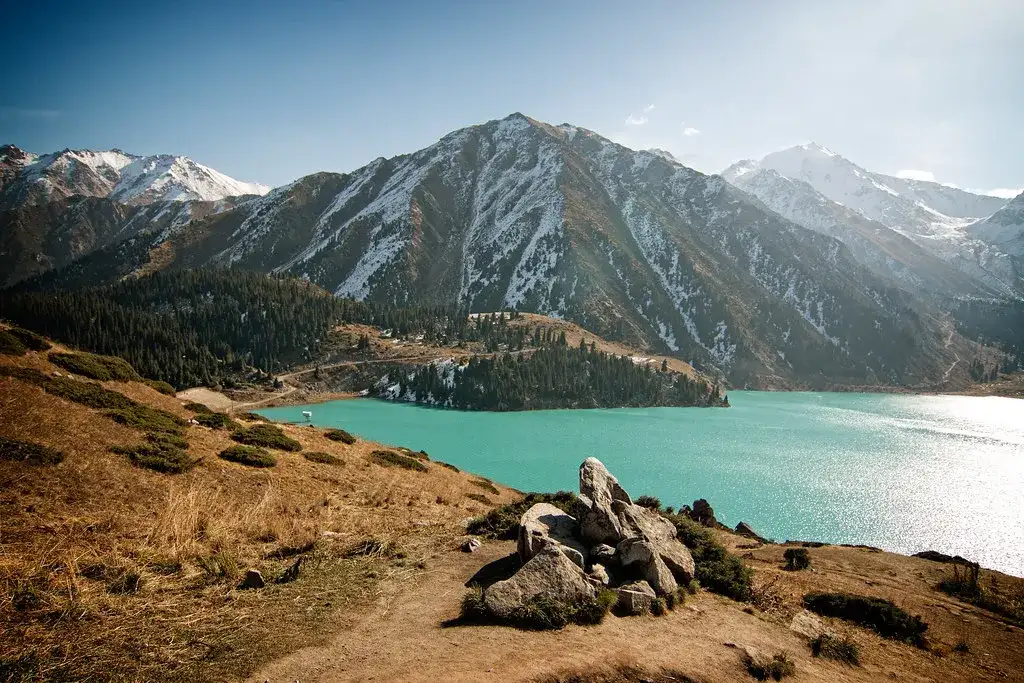
Best Destinations to Visit in 2025
Explore the world’s most inspiring places to visit in 2025—from Sumba to Siargao. Let Boat Komodo Trip guide your next…
Read more →Unveiling Sumba's Lesser-Known Spots: 15 Must-Visit Destinations
Explore the unspoiled beauty of Sumba Island with Boat Komodo Trip's expert guide to the top 15 destinations, from…
Read more →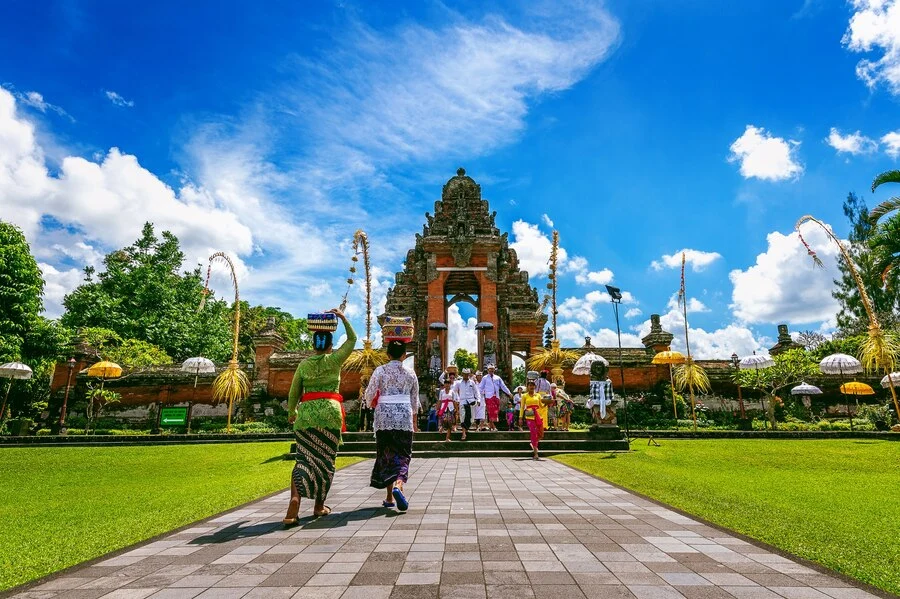
Best Cultural Destinations in the World 2025
Explore the world’s most vibrant cultural destinations in 2025. From Bali to Barcelona, experience living traditions,…
Read more →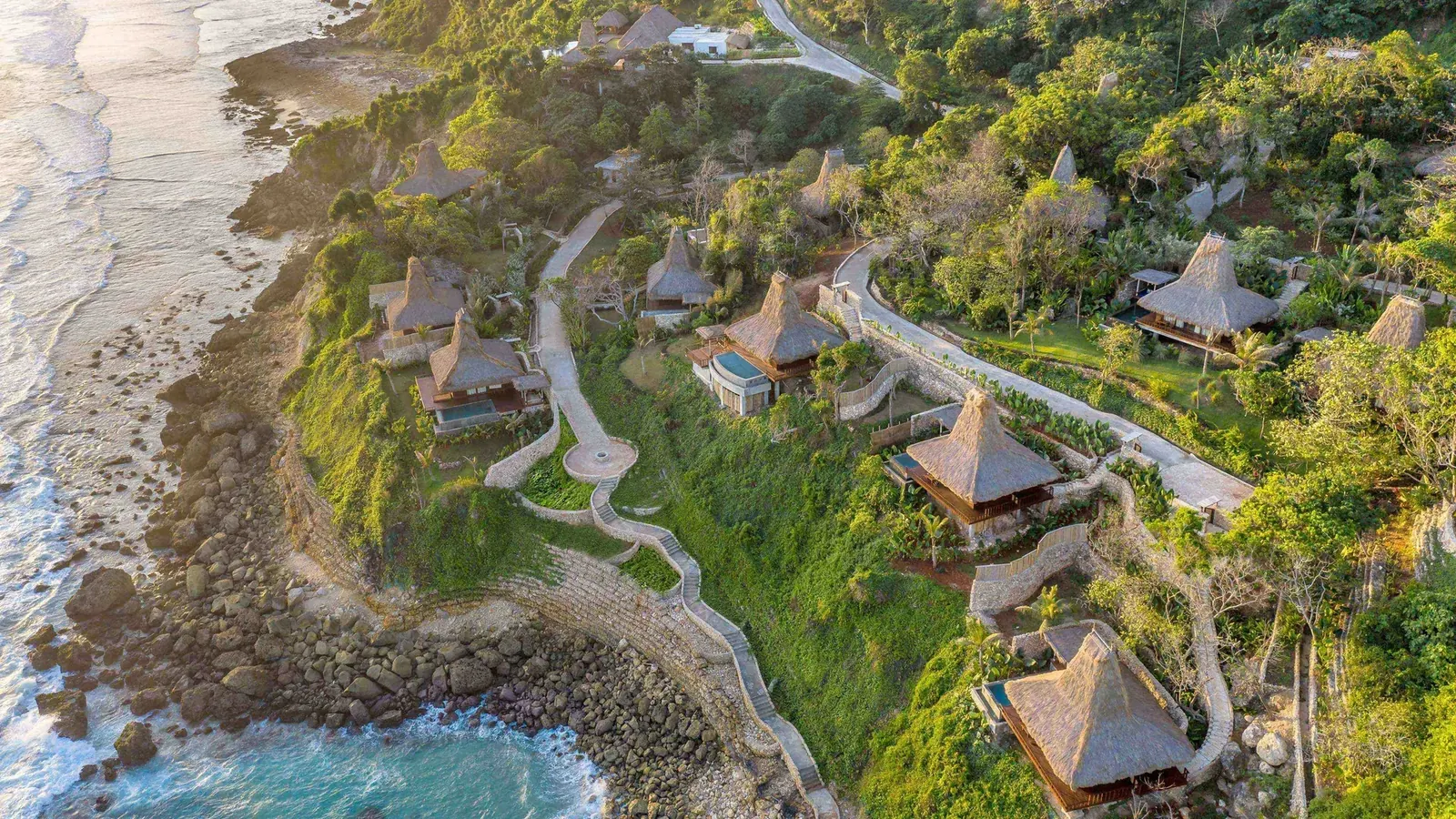
Luxury Hotels in Sumba: Exclusive Journey from Komodo Island to Sumba
Experience the best of Sumba's luxury hotels and pair it with a thrilling adventure in Komodo Island. Book your trip…
Read more →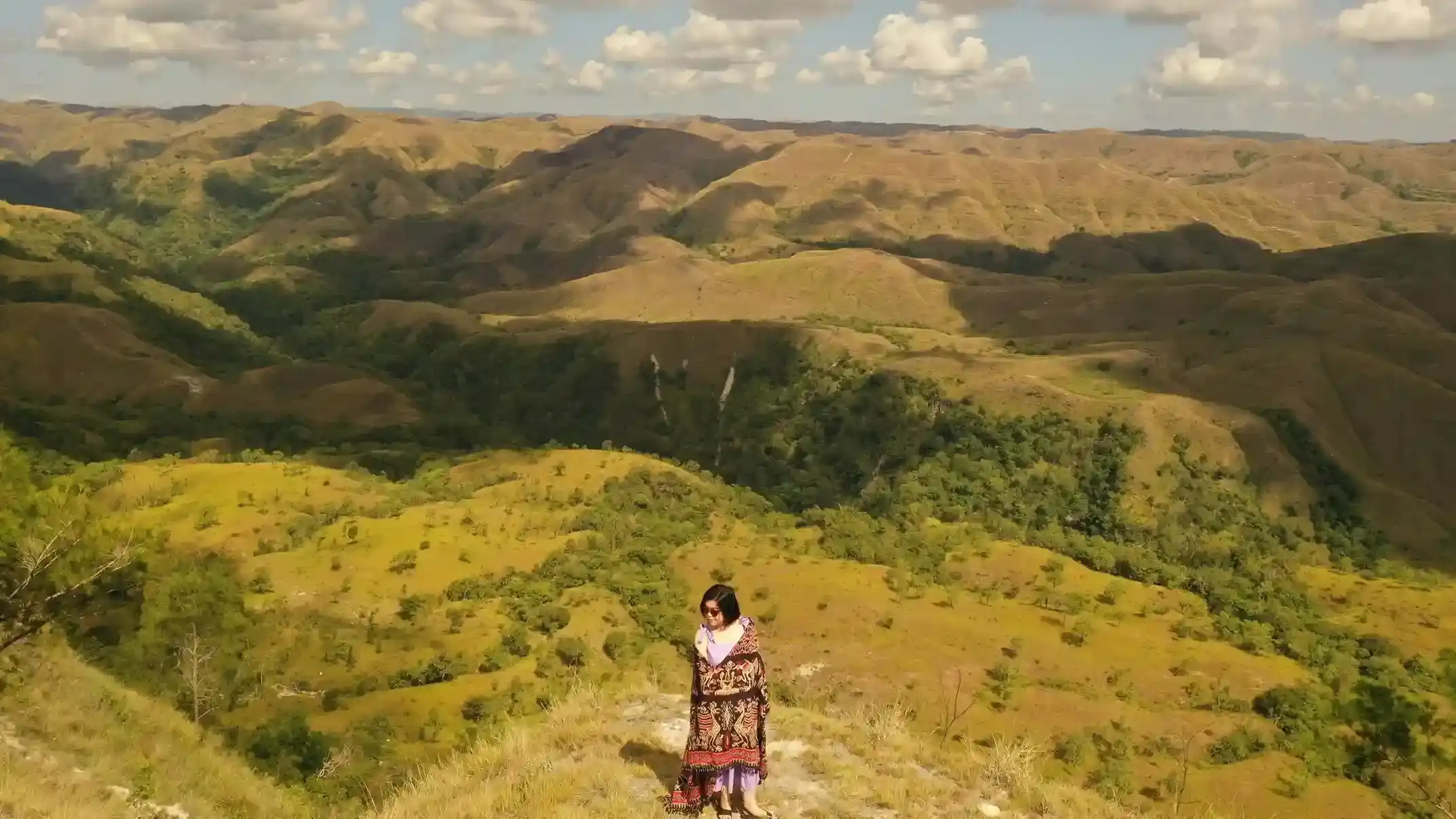
How to Get to Sumba Island: Best Routes & Tips
Heading to Sumba Island? Learn the top routes from Bali, Jakarta, and Labuan Bajo, and make your trip seamless with…
Read more →