
Is January a Good Time to Visit Komodo Island?
While most international visitors time their trips between April and November, January brings a quieter, more intimate side of Komodo National Park. Tourist numbers drop significantly, meaning you’ll have viewpoints, beaches, and ranger-led dragon treks largely to yourself. This sense of solitude transforms the experience, especially at popular spots like Padar Island and Pink Beach, where overcrowding can be an issue in peak months.
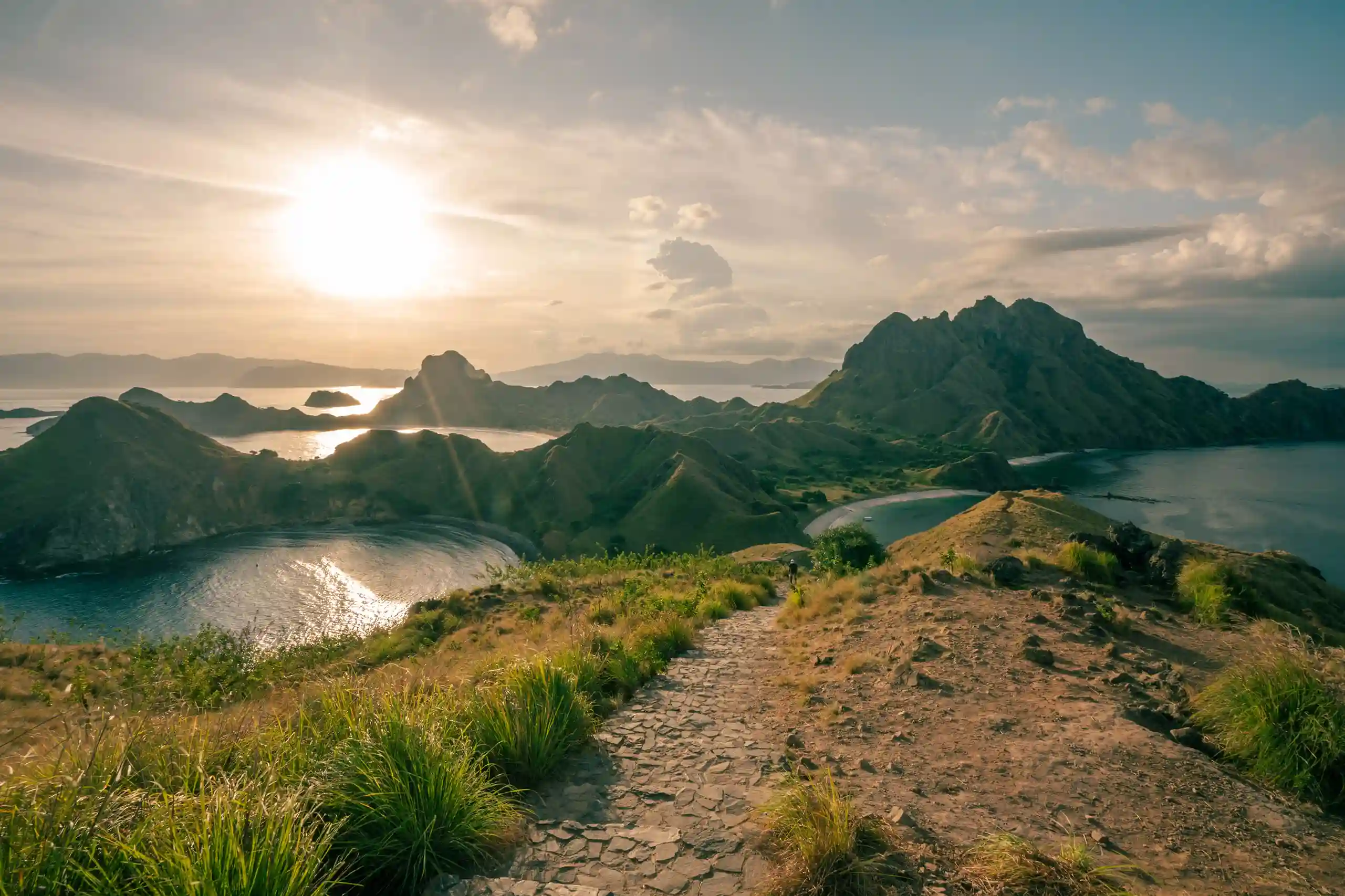
The landscape responds dramatically to the rains. What’s normally a dry, savannah-like terrain becomes lush and green, with waterfalls reappearing on some islands. Wildlife thrives, and the contrast between rugged hills and vibrant foliage creates striking photo opportunities. Yes, you’ll need to plan around weather shifts—but for many, the trade-off is worth it.
The key is mindset. January isn’t about flawless beach days; it’s about immersion. If you’re open to spontaneity and appreciate nature in its full cycle—not just its sunniest moments—you’ll find Komodo in January deeply rewarding.
What to Expect From January Weather in Komodo
Temperatures in Komodo during January hover between 25°C and 31°C (77°F–88°F), with high humidity levels. Rainfall is frequent but rarely lasts all day. Most showers come in short, intense bursts—often in the late afternoon or evening—leaving mornings clear and ideal for excursions. You’ll likely experience a mix of bright sunshine and passing storms, sometimes within the same day.
Sea conditions can be more unpredictable. Swells between islands may increase, and some exposed dive sites or landing points might be temporarily inaccessible. Reputable operators adjust routes in real time, prioritizing safety and comfort. This is why choosing an experienced liveaboard team matters—they’ll reroute to sheltered bays or alternate snorkeling spots without compromising your experience.
The rain also has perks. It cools the air, making hikes to scenic lookouts more comfortable than in the scorching dry season. And after a downpour, the skies often clear with stunning light, perfect for photography. Just pack accordingly: quick-dry clothing, a compact rain shell, and solid footwear go a long way.
Diving and Marine Life in January
Komodo’s underwater world doesn’t shut down in January. While visibility can vary—typically ranging from 10 to 20 meters depending on recent rainfall—many dive sites remain exceptional. Strong currents, which fuel nutrient upwelling, actually enhance marine activity this time of year. That means more plankton, which in turn draws in one of Komodo’s most iconic creatures: manta rays.
Manta Point and other cleaning stations see increased visits from both reef and oceanic mantas in January. With fewer dive groups around, you may enjoy longer, more peaceful encounters. Turtles, reef sharks, and large schools of jacks and fusiliers are still abundant, and macro life thrives in the rocky crevices of sheltered sites.
Your dive team’s expertise becomes even more critical during this season. They’ll monitor conditions daily, selecting sites based on wind, current, and visibility. With the right guidance, January dives can be some of the most dynamic and wildlife-rich of the year.
Spotting Komodo Dragons in Rainy Season
Komodo dragons don’t migrate or hibernate—they’re present year-round on Komodo, Rinca, and a few smaller islands. January’s cooler, moister conditions can actually make them more active. After rainfall, you’re more likely to see them moving through the underbrush or basking on damp trails, rather than sheltering from intense midday heat.
Guided treks continue as usual, with rangers assessing trail safety each morning. While paths may be muddy, this doesn’t hinder access—just wear sturdy footwear with grip. The lower visitor numbers mean quieter walks and more time with your guide to learn about dragon behavior, diet, and conservation.
Beyond the dragons, the park’s biodiversity shines in January. Birds are more vocal, monitor lizards forage openly, and the vegetation supports a fuller ecosystem. It’s a chance to see the island not just as a backdrop for a photo, but as a living, breathing habitat.
Practical Tips for a January Komodo Trip
To make the most of your January adventure, preparation is everything. Book with a liveaboard operator known for flexibility and safety—like Boat Komodo Trip—so you’re supported when plans shift. Their itineraries adapt to weather, ensuring you still hit key highlights even if the original route changes.
Pack light but smart: include a waterproof jacket, quick-dry layers, closed-toe hiking shoes, and waterproof bags for electronics. A headlamp or small flashlight helps during early morning landings. Since internet access is limited, download maps, guides, and entertainment in advance.
Stay open to change. If a dive site is too rough, trust that your crew has a stunning alternative ready. Embrace the rhythm of the season—watch storms roll in from the deck, enjoy quiet sunrises over calm bays, and savor the sense of discovery that comes with traveling off the beaten path.
Frequently Asked Questions
Is it safe to visit Komodo Island in January?
Does rain ruin diving and snorkeling in Komodo during January?
Are Komodo dragon treks still available in January?
Will my liveaboard itinerary change in January?
Related Blog Posts
Can You Visit Komodo Island in May 2026?
Yes, you can visit Komodo Island in May 2026. Discover weather conditions, dragon activity, diving quality, and how to…
Read more →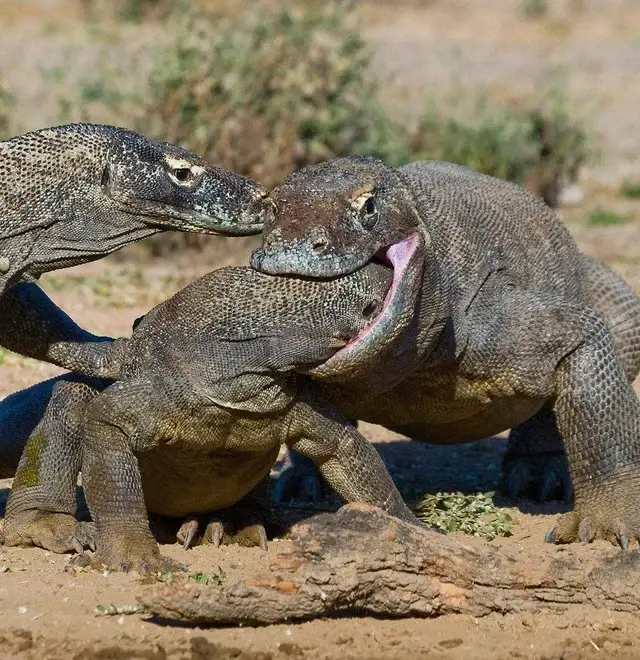
How to Travel to Komodo Island 2026 – Visit Komodo National Park
Discover the ultimate guide to traveling to Komodo Island in 2026, including the best time to visit, how to get there,…
Read more →Can You Visit Komodo Island in June 2026?
Discover if June is the right time to visit Komodo Island. Clear weather, strong diving currents, and dragon mating…
Read more →Can You Sail Komodo in the Rainy Season? Here’s the Real Truth!
Wondering if you can sail Komodo in rainy season? Discover what the season really brings—and why it might be your best…
Read more →
How to Visit Komodo Island 2026: Your Essential Guide
Discover the ultimate guide to visiting Komodo Island in 2026. Learn about the best times to go, exclusive tours, and…
Read more →