
Foam and Vinyl: Practical, Low-Maintenance Solutions
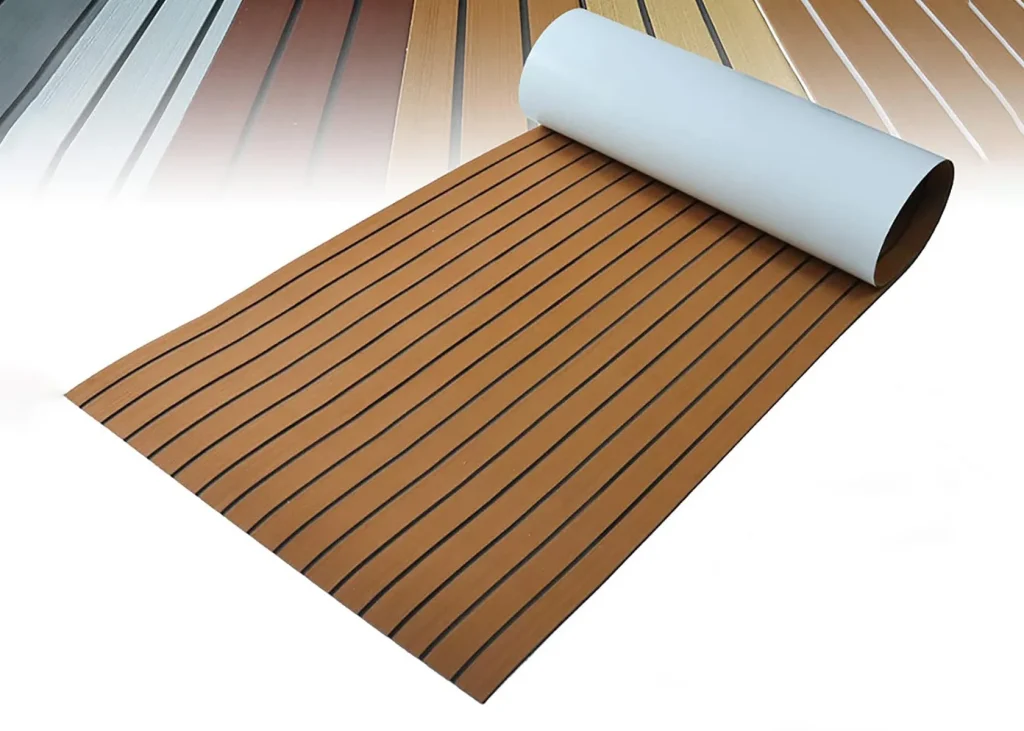
For boaters prioritizing comfort and ease, foam and vinyl flooring deliver practical benefits. Foam decks are lightweight, cushioned, and provide excellent grip, making them ideal for areas where safety and fatigue reduction matter—like swim platforms or fishing zones. Their sound-dampening qualities also help reduce onboard noise, contributing to a quieter, more relaxed atmosphere.
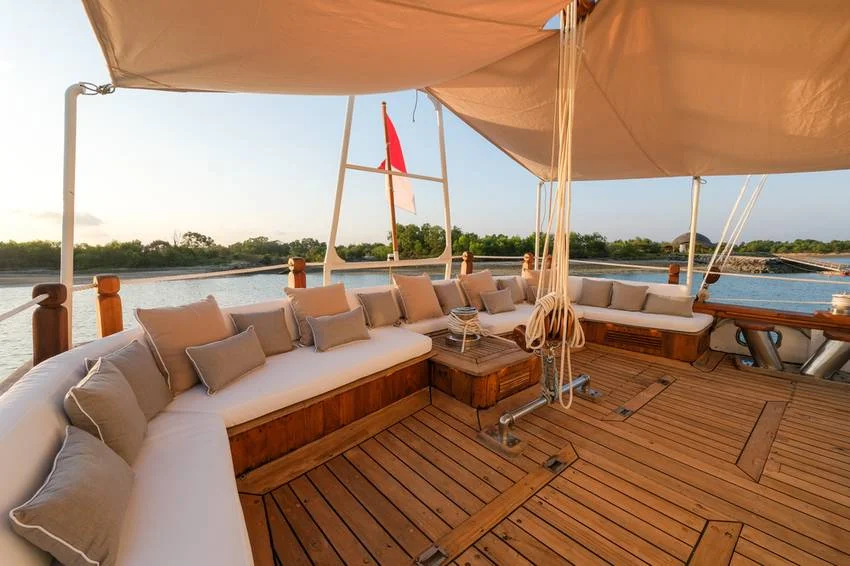
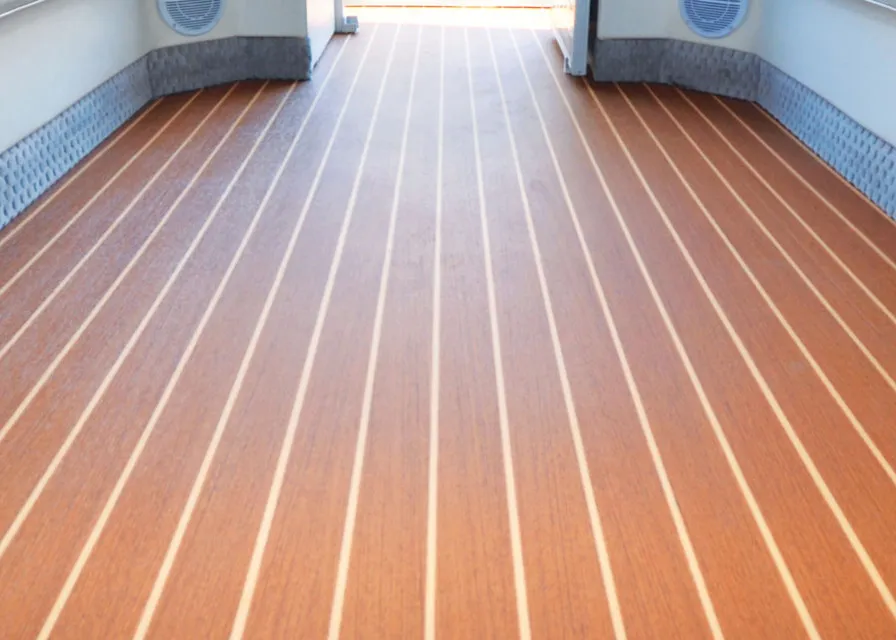
Vinyl, on the other hand, strikes a balance between style and resilience. It’s highly water-resistant, easy to clean, and available in a range of patterns that mimic wood or stone. This makes it a popular choice for interior spaces where aesthetics and function must coexist. It holds up well in wet environments and doesn’t require the intensive maintenance of natural materials.
Yet both materials have downsides. Foam can scuff easily and may degrade under prolonged UV exposure, leading to fading or surface breakdown. Vinyl, while durable, can feel uncomfortably warm in direct sunlight and may become slippery when wet—posing a safety risk if not textured or treated properly. Its added weight compared to foam is another factor to consider for weight-sensitive designs.
Gallery
Pricing
Rates as published on our legacy listing. Contact us for current availability, seasonal rates, and private-charter offers.
| Category | Price |
|---|---|
| B. Cons of Foam Flooring | rp |
Frequently Asked Questions
What are the most durable materials for boat floor replacement?
Is bamboo a good option for boat flooring?
How do I know when it’s time to replace my boat’s flooring?
Which boat flooring is easiest to maintain?
Related Blog Posts
Boat Seating Options: Pros and Cons
Explore boat seating options with honest pros and cons to match your vessel’s size, use, and comfort needs. Find your…
Read more →
The Best Boat Flooring Options for a Safe and Stylish Vessel
Discover the best boat flooring options for a safe and stylish vessel. Learn about PVC, foam, drainage, vinyl, marine…
Read more →Raja Ampat Liveaboard vs Speedboat: Which Is Best for Your Adventure?
Explore the pros and cons of Raja Ampat liveaboard vs speedboat to make the best decision for your trip with Boat…
Read more →Komodo Island Tour: Private vs. Open/Share Trips – Which Suits You…
Deciding between Private vs. Share Komodo Island Tour? Explore the pros, cons, and its unique experience. Book with…
Read more →
Komodo Private Yacht Capacity: A Guide to Choosing the Right Vessel
Discover how many people can fit on a Komodo private yacht and learn how to choose the right vessel for your group size…
Read more →