
Why Timing Is Key for the Spice Islands
The Spice Islands sit deep in the Banda Sea, where monsoon winds don’t follow the usual Indonesian rhythm. Here, the dry season runs when much of the country is wet, and the seas calm just as other regions face swells. This reversal means that choosing the right window isn’t just helpful—it’s essential for smooth sailing, safe diving, and accessing remote islets.
Weather affects more than comfort. During stable months, liveaboards run full routes between Banda Neira, Run, and Ai islands, opening up untouched reefs and historic sites. In contrast, the wet season can limit crossings, with fewer boats braving the swells. But for travelers seeking solitude, this quieter time offers lush landscapes, steady downpours that green the hills, and a chance to connect with local life beyond the tourist rhythm.
Beyond logistics, timing ties you to natural and cultural rhythms. The migration of hammerhead sharks, nutmeg harvests, and community gatherings all unfold on their own schedule. Arriving at the right moment doesn’t just improve conditions—it deepens the experience.
When to Go: Dry vs. Wet Season
The Spice Islands experience two main seasons, each with distinct advantages. The dry season, from October to April, brings steady sunshine, light winds, and calm seas—ideal for sailing and diving. This is when visibility underwater can stretch beyond 30 meters, revealing coral walls, reef sharks, and schools of jacks swirling above volcanic pinnacles.
This period also aligns with the return of liveaboard operations. Luxury yachts and dive vessels resume full itineraries across the Maluku waters, making it easier to reach remote spots like the Banda’s volcanic calderas or the quiet beaches of Nailaka. On land, the dry months let you explore Fort Belgica, walk nutmeg plantations, and photograph colonial-era homes without the interruption of heavy rain.
The wet season, spanning May to September, shifts the rhythm. Rain falls more frequently, usually in afternoon bursts, and winds pick up across the Banda Sea. Many liveaboards suspend operations, and inter-island travel becomes less predictable. Yet this season has its own appeal: waterfalls swell, vegetation thickens, and the islands feel wilder. If your goal is immersion over adventure, this is when the Spice Islands breathe most deeply.
Month-by-Month Guide to the Banda Sea
October to December marks the start of the dry window. Seas settle, skies clear, and early visitors enjoy fewer crowds. It’s a strong time for island-hopping, with reliable boat transfers between Banda Neira and nearby islets. Underwater visibility improves weekly, setting the stage for what’s ahead.
January to March is peak season. Sunshine dominates, humidity stays manageable, and the sea is flat enough for smooth sailing. Divers find coral reefs teeming with activity, while history lovers explore forts and spice warehouses under cloudless skies. This is also when cultural moments like local harvest blessings take place—quiet, authentic glimpses into island life.
March to May is prime for divers. Hammerhead sharks move through the Banda Sea, drawn by cooler currents and abundant prey. Liveaboards position themselves near seamounts and drop-offs where sightings are frequent. With calm seas and high visibility, this window is widely considered the best for underwater photography and deep reef exploration.
June to August brings the monsoon. Stronger winds limit long crossings, and most liveaboards pause. But on Banda Neira, life continues. You can still tour nutmeg-drying sheds, hike to viewpoints shrouded in mist, and enjoy the island’s slower pace. Rain rarely lasts all day, leaving room for walks and conversations with locals.
September to November offers a second calm phase. As winds ease, the sea regains its clarity. Diving resumes, hammerheads return, and the number of boats increases. For many travelers, this period strikes the perfect balance—fewer people than in early year, but all the benefits of dry-season conditions.
Smart Tips for Your Visit
Align your trip with your priorities. If diving is your focus, target March to May or September to November when hammerheads are present and visibility is high. For cultural immersion and easy island walks, January to March offers the most stable weather. Travelers who prefer quiet and greenery might embrace the wet season, but should stay on larger islands like Banda Neira where services remain consistent.
Choose a liveaboard operator with deep regional experience. The Banda Sea’s currents and remote anchorages demand local knowledge. A trusted crew will adapt to conditions, reroute if needed, and access spots others can’t. Look for operators who prioritize safety, sustainability, and meaningful guest interactions.
Pack for change. Mornings can be cool in the hills, afternoons hot on deck, and evenings breezy. A light rain jacket, reef-safe sunscreen, and sturdy sandals go a long way. Don’t forget a reusable water bottle—many boats now filter seawater to reduce plastic.
Finally, manage expectations. The Spice Islands are remote. Flights from Bali or Jakarta often require stopovers in Ambon or Makassar. Internet is limited, and schedules can shift with the weather. Embrace the rhythm: this isn’t a place to rush, but to settle into.
Frequently Asked Questions
What is the dry season in the Spice Islands?
When can I see hammerhead sharks in the Banda Sea?
Is it safe to visit the Spice Islands during the wet season?
How do I get to the Spice Islands?
Related Blog Posts
Do You Need a Visa for Visit to Komodo Island? Here’s What You Need…
Planning a trip to Komodo Island? Find out if you need a visa, which type to choose, and how to enter Indonesia…
Read more →Best Time to Visit Flores Island
Discover the best time to visit Flores Island for an unforgettable adventure! Book your Komodo Island tour with Boat…
Read more →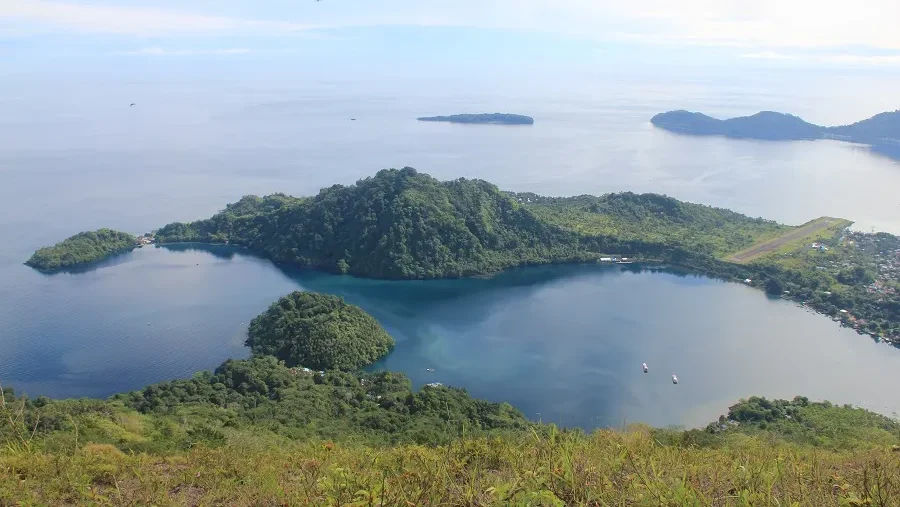
How to Reach Spice Island in 2026: Insider Tips
Discover the best way to get to Spice Island in 2026 with Boat Komodo Trip. Explore Banda Islands, snorkel vibrant…
Read more →Can You Visit Komodo Island in November 2026? Here’s What You Need to…
Planning to visit Komodo Island in November? Learn about weather, wildlife, diving, and how to enjoy a quieter, greener…
Read more →
Best Time to Visit Wayag Island Raja Ampat
Discover the ideal months to visit Wayag Island for calm seas, clear waters, and unforgettable moments. Plan your…
Read more →