
Why Timing Matters in Misool
Misool, one of Raja Ampat’s four main islands, lies in the archipelago’s remote southern reaches. It’s famed for untouched coral ecosystems and dramatic karst formations that rise like ancient fortresses from the sea. The climate stays warm year-round, with daytime temperatures around 30–31°C (86–88°F) and mild nights at 24–25°C (75–77°F), making it comfortable even for evening swims or stargazing from an overwater bungalow.
Unlike western Indonesia, Misool doesn’t face extreme monsoon downpours. Rain can fall at any time, but it’s typically short and light, rarely disrupting full-day plans. The real seasonal driver here is wind — strong easterly winds from May to September stir up the seas, reduce underwater clarity, and can limit access to top dive and snorkel sites.
That’s why timing your visit is crucial. From October to April, the seas settle, visibility sharpens, and marine life becomes more active — ideal for divers and photographers. The windier months offer fewer crowds and lower rates, but with trade-offs in water conditions. Aligning your trip with your priorities — whether it’s pristine diving, solitude, or cultural immersion — makes all the difference.
When Is the Best Time to Visit Misool?
The ideal window depends on what kind of experience you’re after. Misool’s seasons aren’t defined by heavy rain, but by wind patterns and sea conditions — and each period offers something distinct.
From October to December, the transition out of the windy season brings calmer waters and increasingly stable weather. This shoulder period strikes a balance: fewer travelers, improving visibility, and golden sunsets over glassy seas. It’s a quiet time to explore famous sites like Boo Windows or Karawapop without the buzz of peak season.
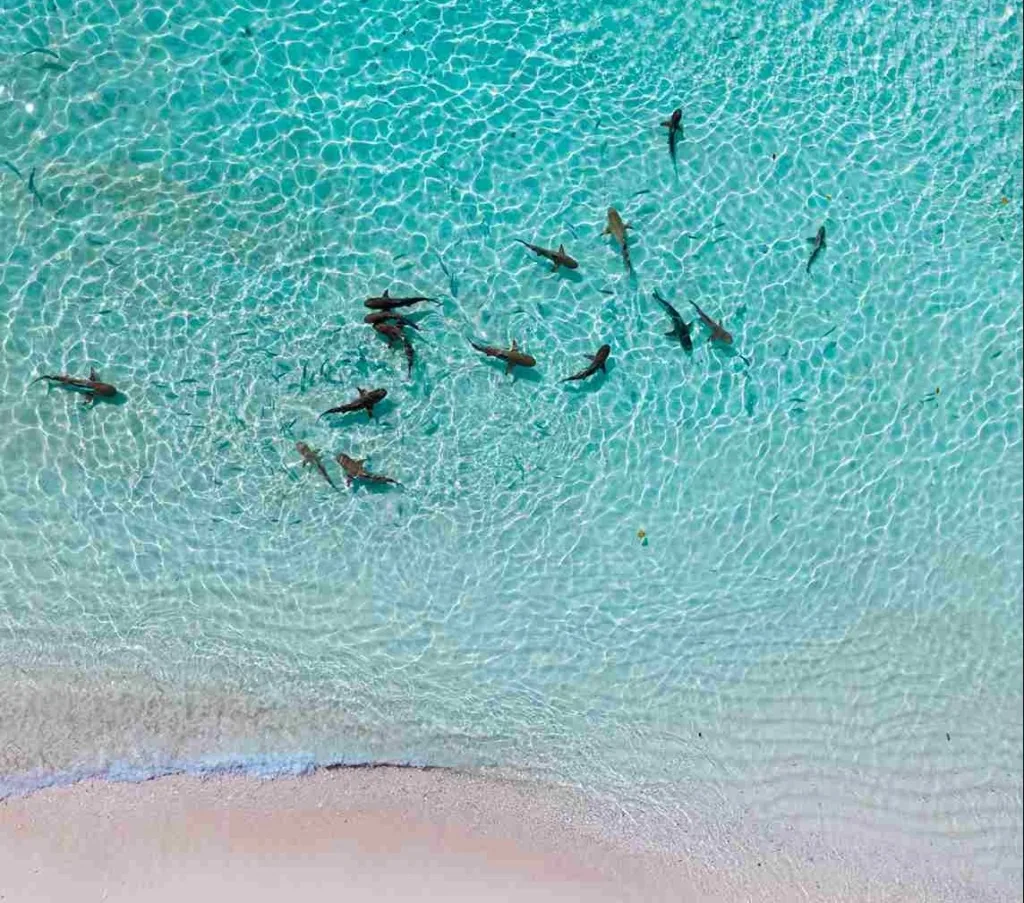
January to April marks Misool’s prime travel window. Seas are flat, skies are clear, and underwater visibility often exceeds 30 meters. This is when marine biodiversity peaks — reef sharks patrol coral slopes, mantas glide through cleaning stations, and soft corals bloom in vivid color. Dive operators schedule their busiest trips now, and resorts fill up months ahead. If your goal is world-class diving and smooth logistics, this is the time to go.
From May to September, strong easterly winds return. Boat rides get bumpier, some outer sites become inaccessible, and underwater photography suffers from stirred sediment. But for travelers seeking solitude, this off-peak stretch delivers. Eco-lodges offer lower rates, homestays feel more intimate, and land-based adventures — from cave explorations to cultural exchanges — take center stage. It’s a chance to connect deeply with the island’s spirit, even if the ocean is less forgiving.
What to Do in Misool by Season
Misool rewards every visitor, no matter the season. The key is matching your plans to the conditions.
Between October and April, the calm seas unlock Misool’s full aquatic potential. Snorkeling and diving shine, with sites like Magic Mountain and Yillet offering strong currents that attract pelagics, yet remain manageable for most skill levels. Island hopping by local boat lets you discover hidden coves, sacred caves, and secluded beaches across the southern atolls. This is also the prime window for drone and underwater photography — steady air and clear water make capturing Misool’s surreal landscapes effortless.
When winds pick up from May to September, marine access narrows, but inland adventures flourish. Guided cave explorations lead into ancient rock formations adorned with handprints and ceremonial sites. Cultural visits to villages like Saporkren or Arborek offer insight into traditional reef stewardship and community-led conservation. Homestays provide warm hospitality and a chance to learn local crafts or join reef monitoring walks.
One experience stays consistent year-round: marine conservation tours. Misool is home to pioneering no-take zones and community ranger programs. Whether you’re snorkeling with a guide who tracks coral health or joining a beach cleanup, you can contribute meaningfully no matter when you arrive.
Smart Tips for Visiting Misool
Traveling to Misool means embracing its remoteness. Even with perfect timing, preparation is key. If you’re aiming for January to April, book flights, liveaboards, and resort stays at least 3–6 months in advance. Top dive operators and overwater bungalows sell out quickly, and last-minute changes can disrupt your itinerary.
For visits between May and September, pack motion sickness tablets, waterproof gear cases, and a flexible mindset. Some dive sites may be closed due to currents or swell, but many operators shift to sheltered reefs or land-based activities. A dry bag and quick-dry clothing are essential, as brief rain showers are common.
To maximize underwater visibility, time your dives between October and April. This is when plankton levels stabilize, currents are predictable, and mantas are most frequently seen at cleaning stations like Manta Ridge. Many dive guides schedule early morning dives to catch the calmest conditions.
Because Misool has limited medical facilities and no pharmacies on most islands, bring all personal medications, reef-safe sunscreen, and basic first-aid supplies. Solar chargers and spare batteries are wise — power can be intermittent in remote homestays. Finally, respect local customs: ask before photographing people, avoid touching coral, and support community-run services whenever possible.
Frequently Asked Questions
What is the dry season in Misool Raja Ampat?
Can I visit Misool during the windy season?
When can I see manta rays in Misool?
How far in advance should I book a trip to Misool?
Related Blog Posts
Best Time to Visit Raja Ampat
Plan your Raja Ampat trip with confidence. Discover the ideal months for diving, manta encounters, and island…
Read more →Misool Diving Adventures in Pristine Raja Ampat
Experience world-class Misool diving adventures with Boat Komodo Trip. Discover marine life, manta rays, and more in…
Read more →Is Misool Worth It? Discover the Magic of Raja Ampat
Explore the lesser-known spot of Misool in Raja Ampat, Indonesia. Learn why this remote island is a once-in-a-lifetime…
Read more →Wayag vs Misool: Choosing the Best Raja Ampat Island for Your Next…
Discover the key differences between Wayag and Misool islands in Raja Ampat and find out which one suits your travel…
Read more →
Unlock Misool's Secrets: A Guide to the Ultimate Raja Ampat Experience
Discover the best things to do in Misool Raja Ampat. Explore turquoise waters, untouched coral reefs, and secluded…
Read more →