
Why Cultural Travel Matters in 2025
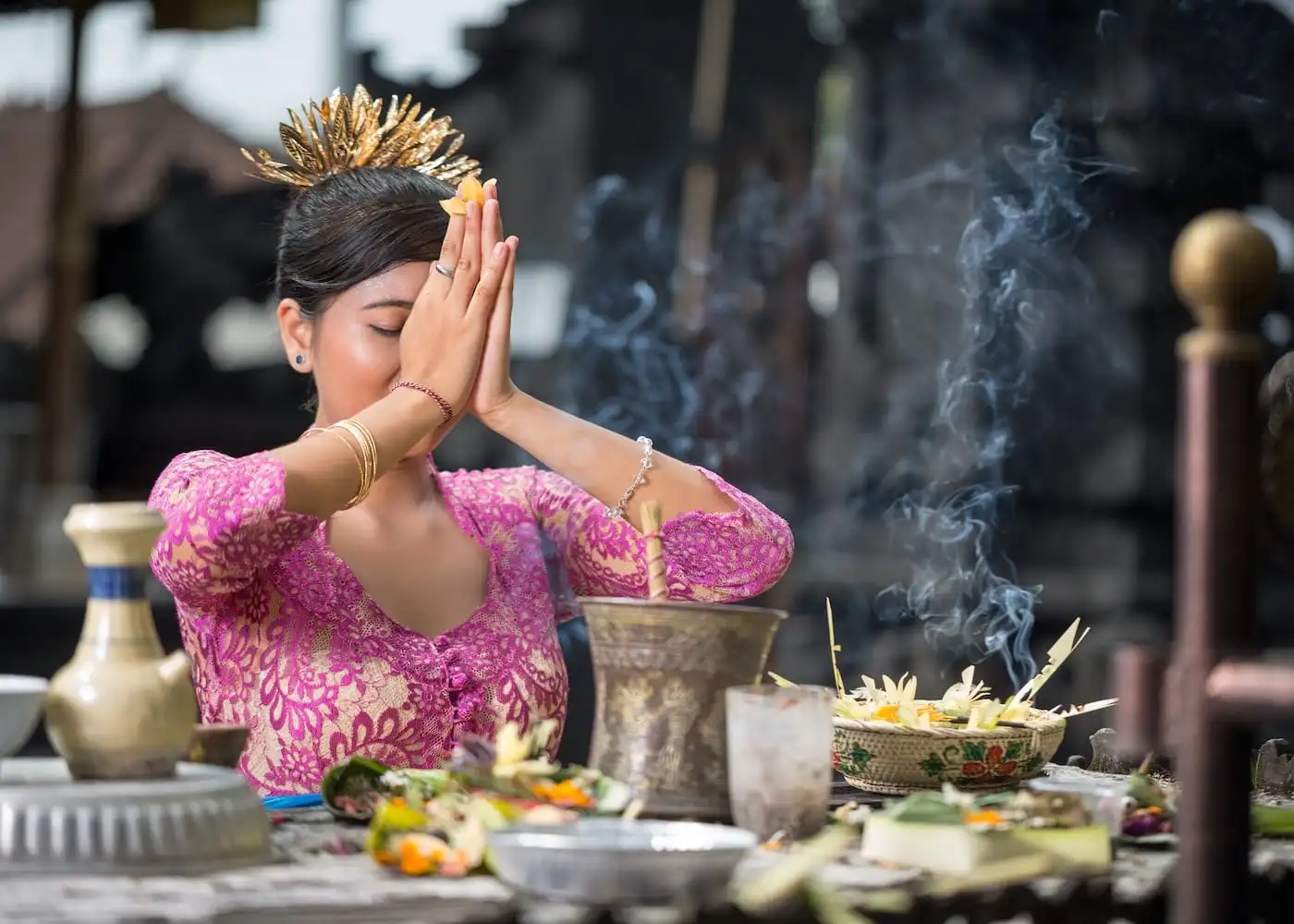
The world is changing fast. Urbanization, digital homogenization, and mass tourism threaten to blur the distinct identities of once-isolated communities. Yet, in response, a deeper kind of travel is rising — one rooted in respect, curiosity, and connection. Cultural travel in 2025 isn’t about ticking off UNESCO sites; it’s about witnessing how traditions shape daily life, from morning offerings in Bali to Fado melodies echoing through Lisbon’s alleys.
This list, drawn from TripAdvisor’s Travelers’ Choice Awards, highlights 25 destinations where heritage isn’t preserved behind glass, but practiced in homes, temples, markets, and festivals. These places have earned global recognition not just for beauty or history, but for the authenticity and accessibility of their cultural experiences. For travelers, that means real encounters — a shared meal, a local craft demonstration, a moment of silence in a sacred space — are not only possible, but often the heart of the journey.
Top 25 Cultural Destinations: Where Heritage Lives On
These destinations represent the pulse of human expression — from ancient civilizations to living traditions that have adapted without losing their essence. Each offers a distinct window into how communities define themselves through art, faith, food, and ritual.
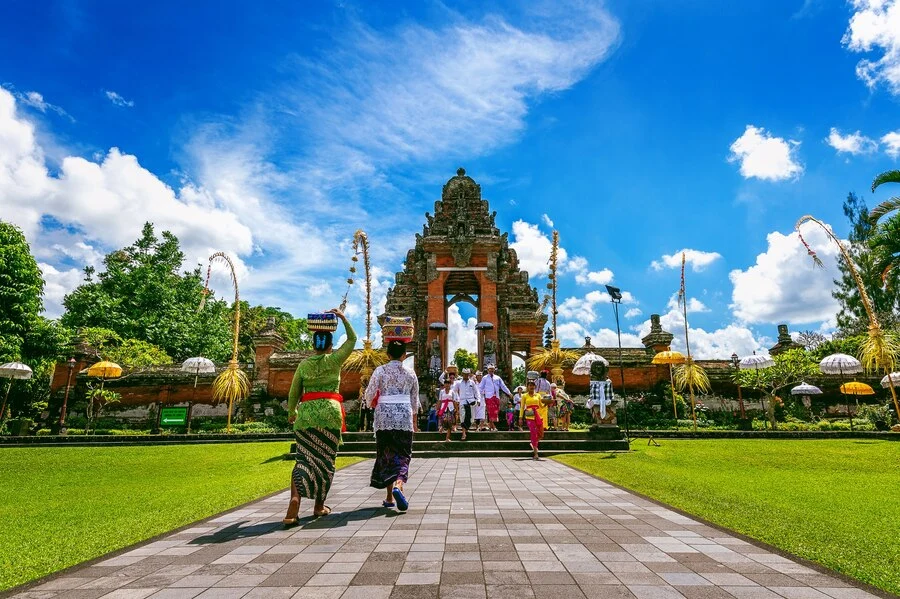
1. Bali, Indonesia – Known as the Island of the Gods, Bali’s culture is woven into daily life. Morning canang sari offerings appear on sidewalks, temples host weekly ceremonies, and dance-dramas like the Kecak recount Hindu epics under moonlight. In Ubud, painting, woodcarving, and gamelan music remain vital arts, sustained by family workshops and community academies.
2. Hanoi, Vietnam – The capital blends French colonial elegance with deep-rooted Vietnamese traditions. The Old Quarter’s 36 streets still reflect ancient guilds, while the Temple of Literature honors Confucian scholarship. Water puppetry, performed in flooded rice paddies centuries ago, now entertains locals and visitors in dedicated theaters, telling folk tales with humor and precision.
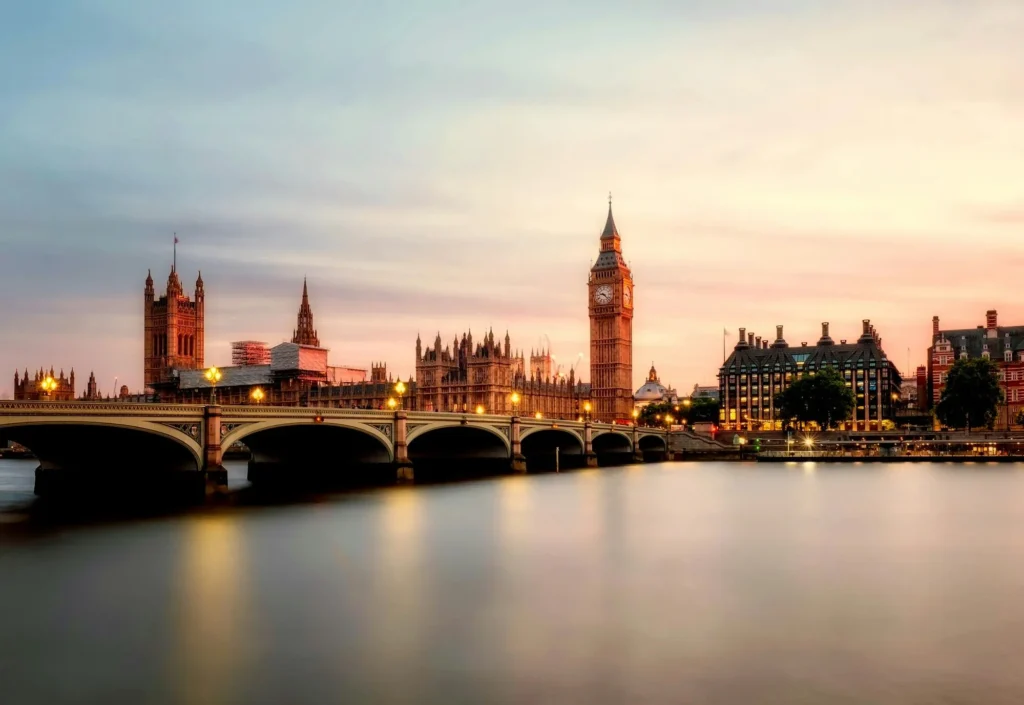
3. London, United Kingdom – A global crossroads with layers of history, London balances royal pageantry with grassroots creativity. From Changing of the Guard at Buckingham Palace to the Tate Modern’s contemporary exhibitions, the city thrives on cultural dialogue. Borough Market buzzes with global flavors, while Notting Hill Carnival celebrates Caribbean heritage in vibrant procession.
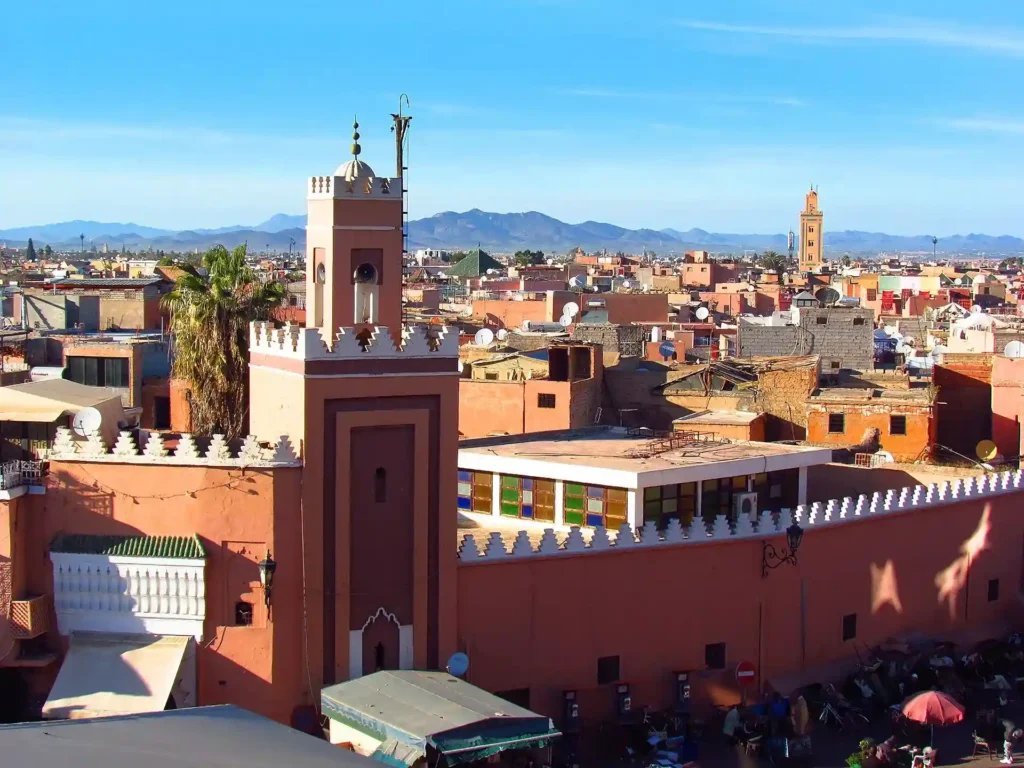
4. Marrakech, Morocco – At Jemaa el-Fnaa, the main square pulses with storytellers, spice stalls, and Gnawa musicians. Beyond the medina walls, traditional riads offer sanctuary with courtyards fragrant with orange blossoms. Artisans in souks still hand-forge lanterns, weave Berber rugs, and engrave cedarwood, preserving skills passed through generations.
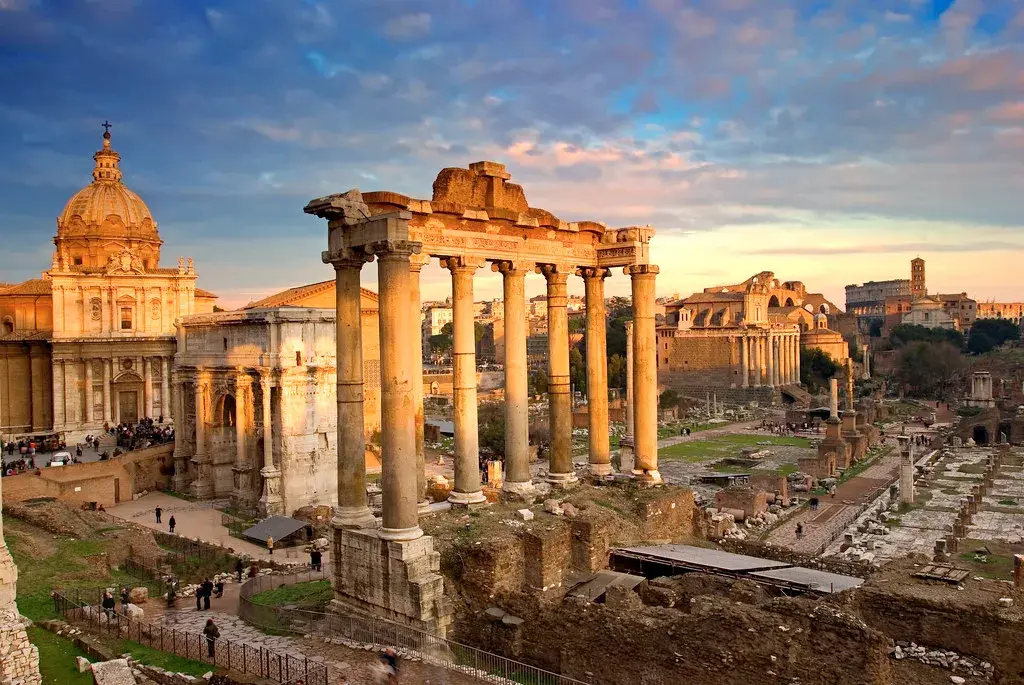
5. Rome, Italy – Ancient ruins stand alongside daily life: Romans sip espresso near the Roman Forum, and families picnic beneath the Pantheon’s oculus. Catholic traditions shape the calendar, from Easter at St. Peter’s to local sagra festivals celebrating everything from artichokes to saints. Renaissance art isn’t just in museums — it’s in church frescoes and piazza fountains.
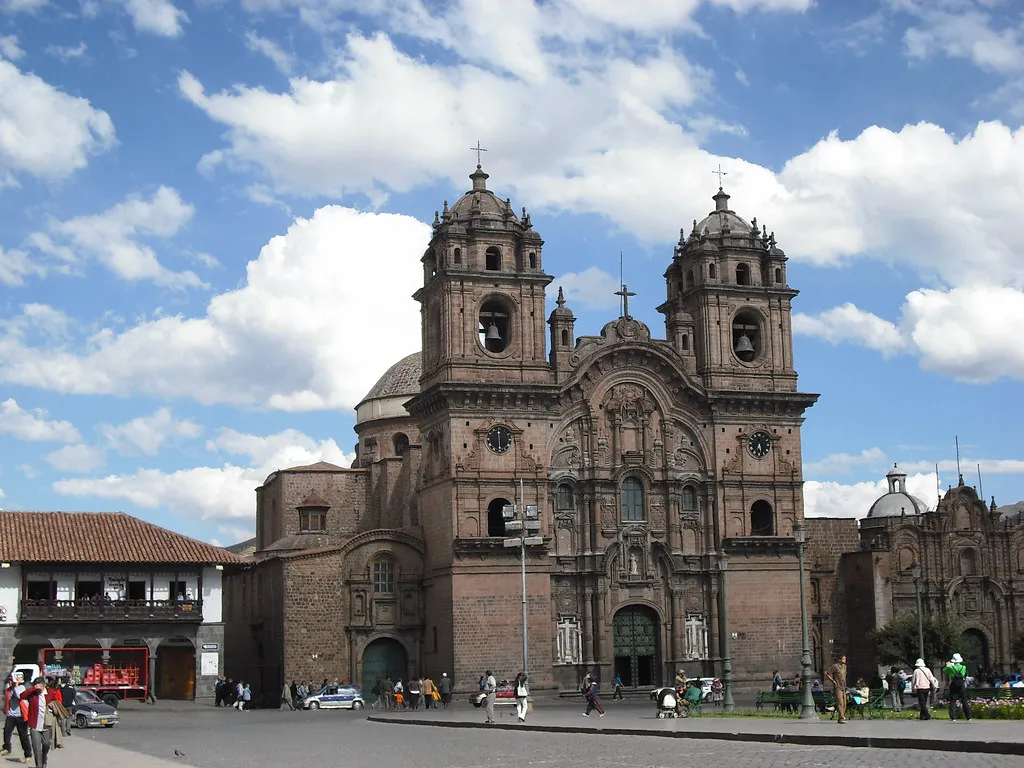
6. Cusco, Peru – Once the capital of the Inca Empire, Cusco’s streets follow Inca foundations, with Spanish colonial buildings layered above. Quechua is widely spoken, and festivals like Inti Raymi — the Festival of the Sun — revive pre-Columbian rituals with thousands in traditional dress. Andean music, played on panpipes and charangos, fills plazas and processions.
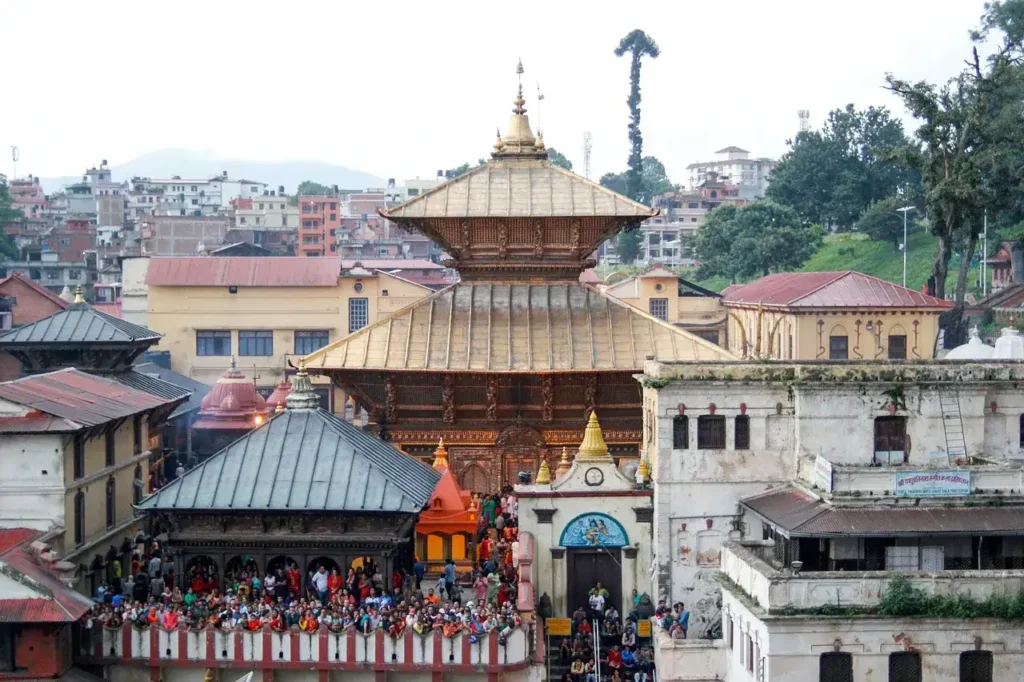
7. Kathmandu, Nepal – The Kathmandu Valley is home to seven UNESCO World Heritage Sites, including Swayambhunath and Pashupatinath. Daily life revolves around temple courtyards and stupas, where monks chant and devotees spin prayer wheels. Newar communities maintain intricate festivals, like Indra Jatra, featuring masked dances and living goddesses.
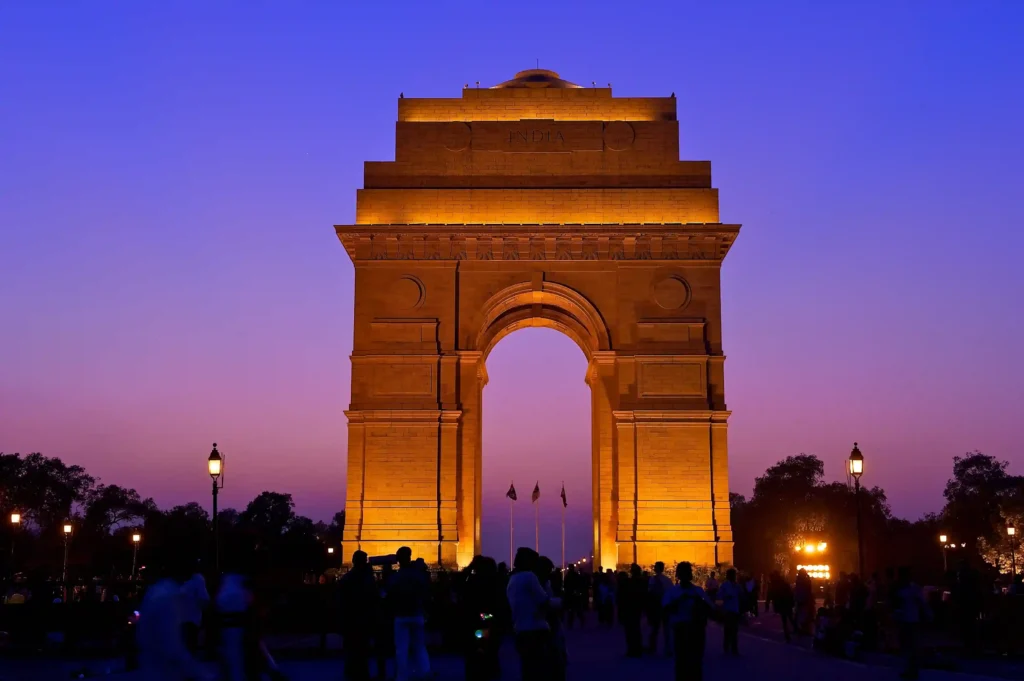
8. New Delhi, India – A city of contrasts, New Delhi honors Mughal and colonial architecture while embracing modern Indian identity. The Qutub Minar complex stands as a 12th-century marvel, while Chandni Chowk bustles with centuries-old spice shops. Holi’s explosion of color and Diwali’s golden glow transform the city into a living celebration of faith and renewal.
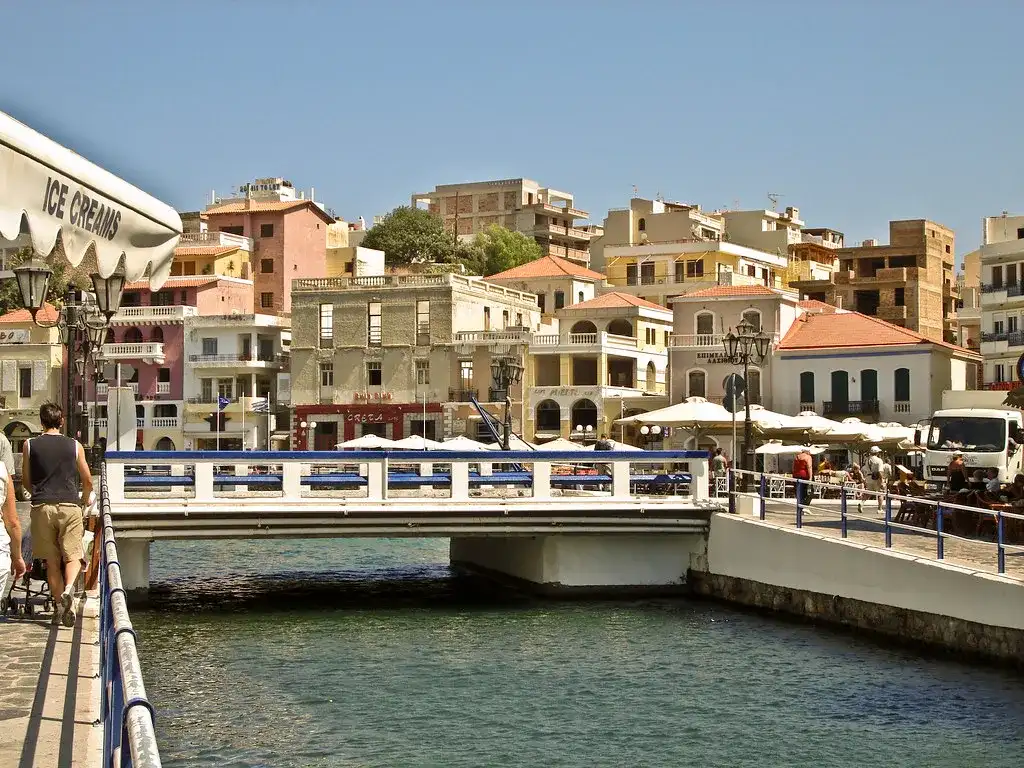
9. Crete, Greece – As the heart of the Minoan civilization, Crete’s archaeological sites like Knossos reveal Europe’s earliest advanced culture. Today, villages in the mountains still host lyra music and syrtos dances. Local kitchens serve dakos (barley rusk salad) and slow-cooked stamnagathi, while raki is poured after meals as a gesture of hospitality.
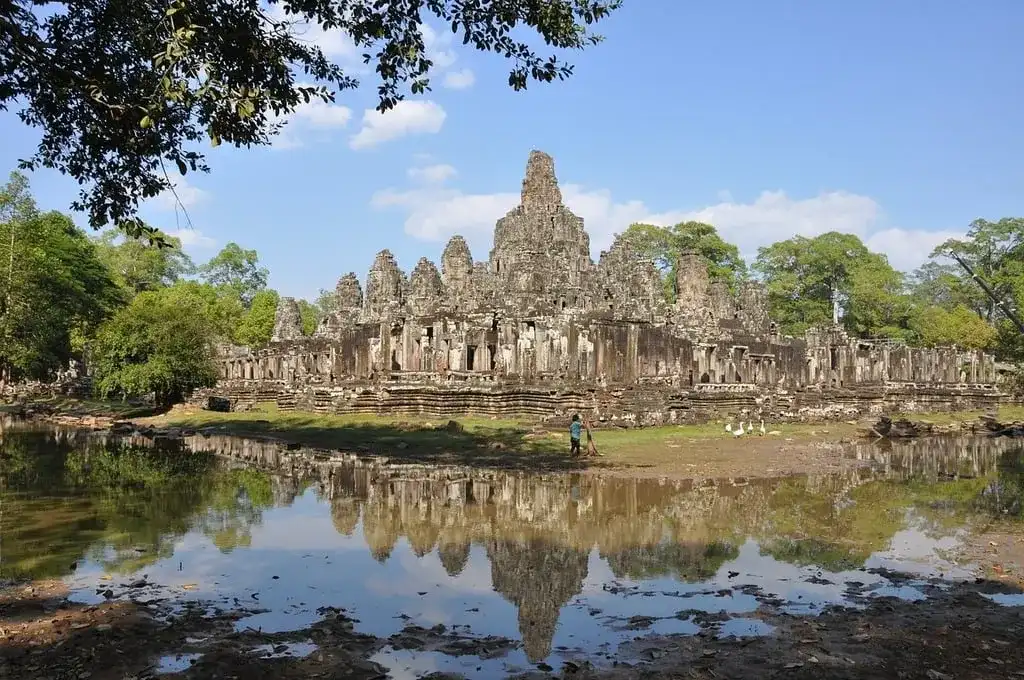
10. Siem Reap, Cambodia – Beyond Angkor Wat’s sunrise crowds, Siem Reap offers intimate cultural immersion. Apsara dance, inspired by celestial nymphs in Khmer mythology, is performed nightly with intricate hand movements and silk costumes. Local NGOs train youth in traditional carving and weaving, ensuring these arts survive.
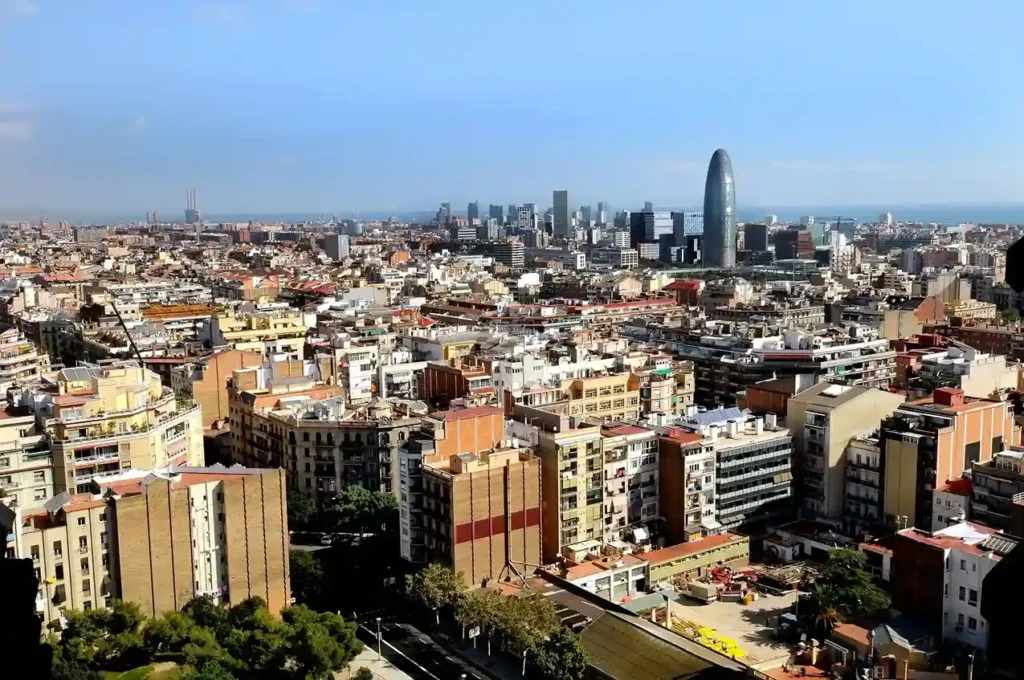
11. Barcelona, Spain – Catalonia’s capital proudly asserts its language and customs. Gaudí’s surreal architecture reflects a region that values creativity and independence. Festivals like La Mercè feature correfocs (fire runs) and human towers (castells), where teams stack nine levels high in public squares.
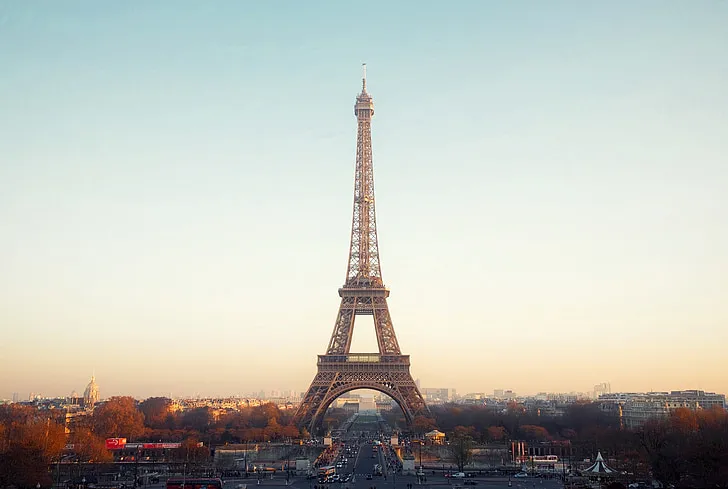
12. Paris, France – Beyond the Eiffel Tower, Paris thrives on intellectual and artistic life. The Louvre and Musée d’Orsay house centuries of masterpieces, while neighborhood bistros serve evolving interpretations of French cuisine. Fête de la Musique sees impromptu concerts on every corner, celebrating music as a public, shared experience.
13. Bangkok, Thailand – Golden wats like Wat Phra Kaew house sacred relics, while monks collect alms at dawn. The city’s street food culture — from boat noodles to mango sticky rice — is a culinary heritage recognized by UNESCO. Loi Krathong, when thousands of lotus-shaped floats drift down rivers, blends animist, Hindu, and Buddhist traditions.
14. Lisbon, Portugal – Azulejo tiles depict historical scenes on church walls and subway stations. Fado, the soulful music of longing and loss, echoes in intimate taverns in Alfama. The city’s maritime history lives on in dishes like bacalhau (salted cod) and in festivals honoring seafarers.
15. Cairo, Egypt – The Giza Pyramids and Sphinx stand as eternal symbols, but Cairo’s culture thrives in its alleys and mosques. Islamic calligraphy adorns madrasas, and Quranic recitations fill the air during Ramadan. Khan el-Khalili bazaar has traded spices, perfumes, and brassware for over 600 years, preserving medieval commerce in modern times.
16. Kyoto, Japan – With over 2,000 temples and shrines, Kyoto is Japan’s cultural soul. Geisha (geiko) still perform in Gion, tea ceremonies follow centuries-old rituals, and seasonal festivals like Gion Matsuri parade ornate floats through downtown. Zen gardens invite contemplation, while kaiseki dining elevates cuisine to art.
17. Mexico City, Mexico – A blend of Aztec and Spanish influences defines the capital. The Templo Mayor rises beside the Metropolitan Cathedral, and Día de Muertos transforms cemeteries into luminous altars. Markets overflow with mole, tamales, and artisan crafts, while muralists continue the legacy of Rivera and Orozco.
18. Istanbul, Turkey – Straddling Europe and Asia, Istanbul’s culture is a confluence of Byzantine, Ottoman, and modern Turkish life. Call to prayer echoes from Süleymaniye Mosque, while Grand Bazaar merchants trade carpets and ceramics as they have for centuries. Turkish coffee, served in copper cezves, is more than a drink — it’s a ritual.
19. Luang Prabang, Laos – This UNESCO-listed town wakes daily to the Tak Bat ceremony, where saffron-robed monks collect alms. French colonial villas line quiet streets, and Buddhist temples like Wat Xieng Thong preserve intricate gold mosaics. Local weaving cooperatives keep Hmong and Lao Loum textile traditions alive.
20. Fez, Morocco – Home to the world’s oldest university (Al Quaraouiyine), Fez’s medina is a labyrinth of artisan quarters. Tanners work hides in stone vats using centuries-old methods, while calligraphers handwrite Qurans. The city’s spiritual heart remains in its madrasas and Sufi gatherings.
21. Machu Picchu, Peru – Though a site, not a city, Machu Picchu draws travelers into Inca cosmology. The precision of its stonework, alignment with solstices, and sacred geography reflect a culture deeply attuned to nature. Quechua guides share oral histories, connecting the ruins to living Andean beliefs.
22. Petra, Jordan – Carved into rose-red cliffs, Petra was once a Nabatean trading hub. Today, Bedouin communities offer tea in the site’s caves and share stories of their ancestors. The night walk to the Treasury, lit by 1,500 candles, revives ancient caravan routes in a moment of quiet awe.
23. Varanasi, India – On the banks of the Ganges, life and death move in sacred rhythm. Pilgrims bathe at dawn, priests chant mantras, and funeral pyres burn at Manikarnika Ghat. The city’s 2,000+ temples and ghats form a spiritual landscape unmatched in intensity and continuity.
24. Chefchaouen, Morocco – The “Blue City” in the Rif Mountains is known for its painted streets, a tradition said to symbolize the sky and spirituality. Berber culture remains strong, with women weaving woolen goods and families gathering in plazas for communal meals. The pace is slow, the air calm — a contrast to Morocco’s busier hubs.
25. Oaxaca, Mexico – A stronghold of Zapotec and Mixtec heritage, Oaxaca celebrates indigenous identity through language, cuisine, and craft. Markets overflow with mole, chapulines (grasshoppers), and hand-thrown black clay pottery. The Guelaguetza festival unites communities in traditional dance, music, and shared offering.
How to Travel Culturally with Respect
Visiting these destinations is a privilege. Cultural travel demands mindfulness: dressing modestly at religious sites, asking before photographing people, and supporting local artisans directly. Learn a few phrases in the local language — it opens doors and shows respect.
Avoid reducing traditions to photo ops. Instead, engage through guided experiences: a cooking class in Bangkok, a weaving workshop in Oaxaca, or a temple stay in Luang Prabang. These interactions benefit communities and deepen your understanding.
Boat Komodo Trip encourages slow, intentional travel. Whether you’re exploring Bali’s villages or walking the medina of Fez, take time to listen, observe, and connect. Culture isn’t consumed — it’s shared.
Gallery
Frequently Asked Questions
What makes a destination 'culturally significant'?
Is it okay to photograph cultural ceremonies?
How can I support local culture while traveling?
Are these destinations safe for cultural travelers?
Related Blog Posts

Best Honeymoon Destinations in the World for 2025
Discover 25 handpicked honeymoon destinations for 2025, from Komodo to the Maldives. Find your perfect romantic escape…
Read more →
Best Destinations to Visit in 2025
Explore the world’s most inspiring places to visit in 2025—from Sumba to Siargao. Let Boat Komodo Trip guide your next…
Read more →
Best Places to Visit in Asia 2025: Top Destinations by Boat Komodo…
Discover the best places to visit in Asia in 2025, from Komodo to Kyoto. Plan your journey with Boat Komodo Trip and…
Read more →Sumba Tour 2025: Discovering One of Forbes’ Must-Visit Destinations
Sumba made Forbes’ 2025 list for good reason. Discover how to visit, must-see spots, cultural highlights, and 4D3N tour…
Read more →
10 Best Yachts to Charter in Komodo for 2025
Discover the top yachts to charter in Komodo for 2025, from luxury sailing vessels to adventure-focused liveaboards.…
Read more →