
Why Batanta Feels Like the Wild Side of Raja Ampat
Batanta may be the smallest of Raja Ampat’s four main islands, but it holds some of the region’s most dramatic landscapes. Stretching 60 kilometers long and averaging 8 kilometers wide, it’s wrapped in dense rainforest and flanked by steep hills that rise sharply from the sea. Unlike its busier neighbors, Batanta sees fewer visitors, preserving its quiet energy and ecological integrity. This is where nature moves at its own pace—where ancient trees stand guard over hidden waterfalls and rare creatures thrive in near-isolation.
Separated from Waigeo by the Dampier Strait and lying about 34 kilometers from Sorong, Batanta is accessible but never crowded. Its remoteness isn’t a barrier—it’s the point. For travelers who value authenticity over convenience, Batanta offers a rare chance to step into a living ecosystem, not just observe it from a distance.
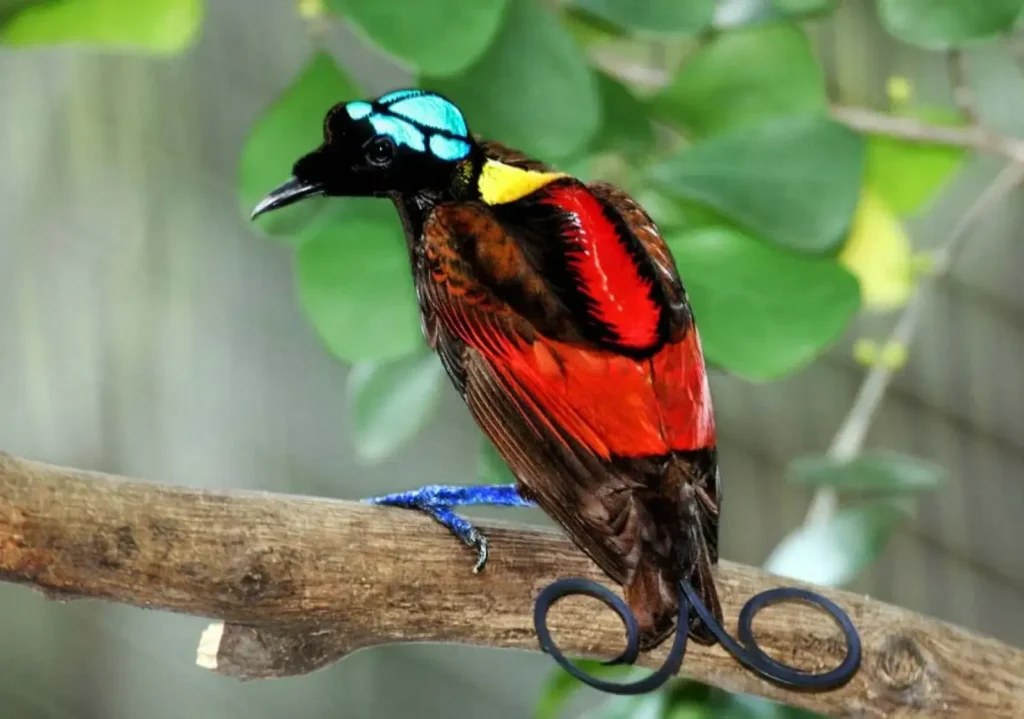
Wildlife and Natural Wonders You Won’t Find Elsewhere
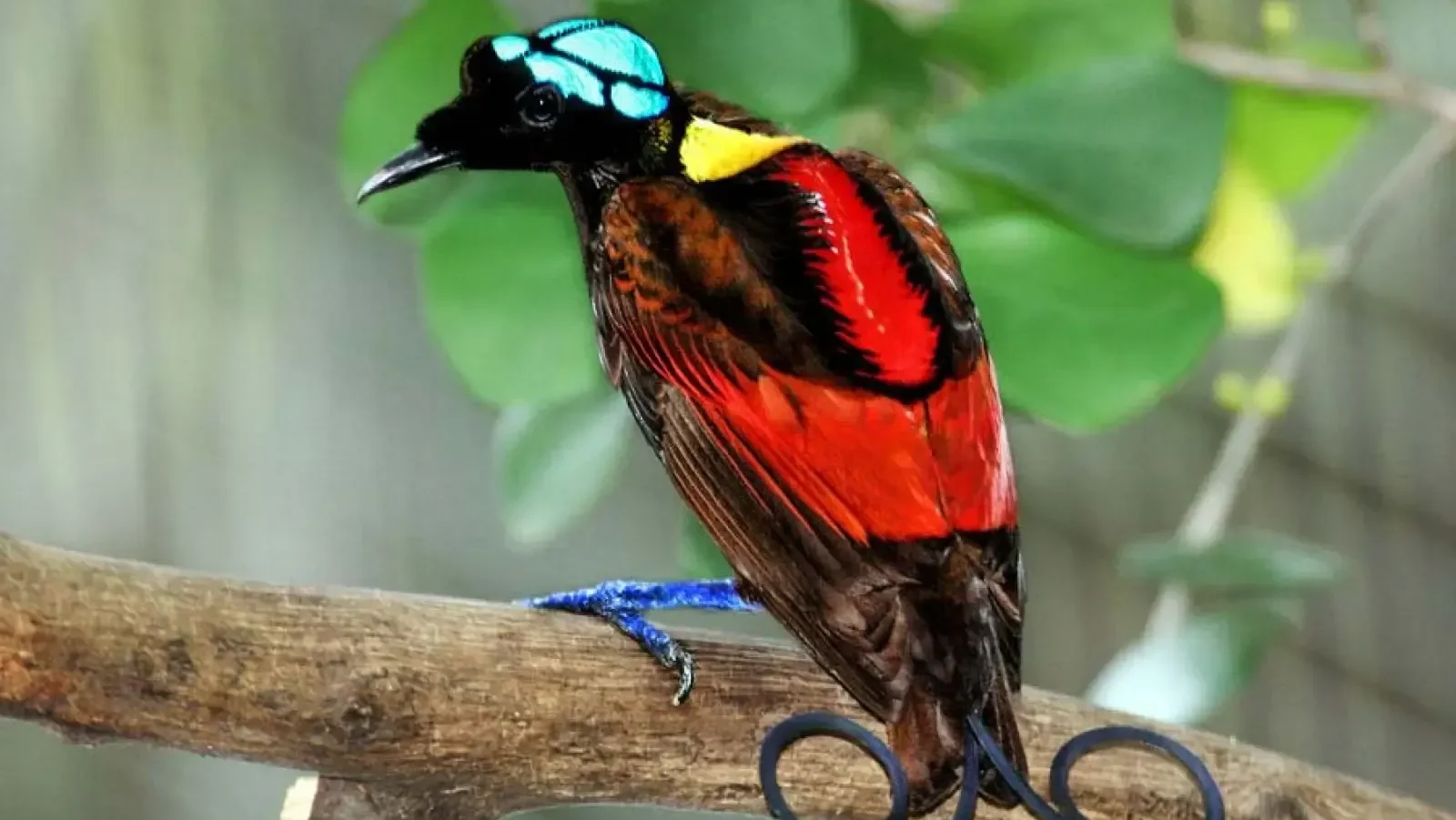
Batanta is a sanctuary for species found almost nowhere else on Earth. The Blue-Spotted Tree Monitor (Varanus macraei) is endemic to this island, a vivid lizard that darts through the canopy with electric grace. On the forest floor and in the treetops, birdwatchers might spot the Wilson’s Bird-of-Paradise, a jewel-toned marvel shared only with Waigeo. Even rarer is the cassowary—one of the world’s largest birds—walking silently through the undergrowth, a prehistoric presence in a modern jungle.
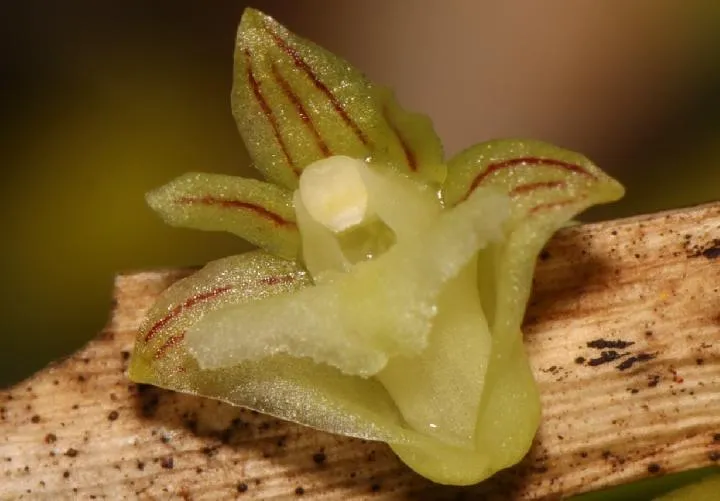
The island hosts around 90 species of wild orchids, many still unnamed by scientists. These blooms are more than botanical curiosities; they’re woven into local traditions, used in herbal remedies and crafts. Plants like wil-gelfun (Coscinium fenestratum) treat malaria and digestive issues, while teliih (Terminalia catappa) helps heal wounds—knowledge passed down through generations of indigenous Papuans.
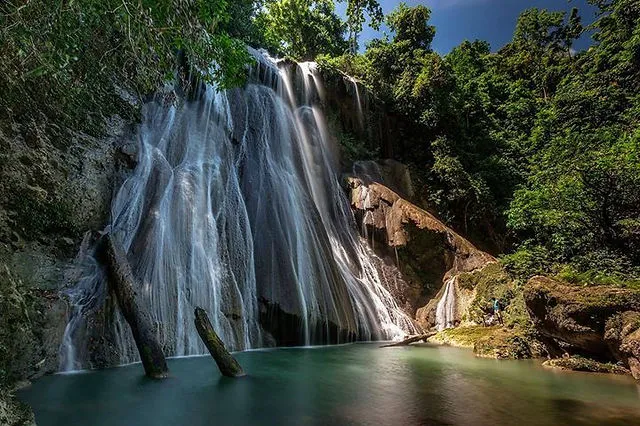
From Mangroves to Manta Rays: Exploring Batanta’s Land and Sea
Deep in Batanta’s interior lies one of its most mesmerizing features: a vast mangrove forest anchored by trees centuries old. A 100-meter wooden boardwalk guides visitors through this labyrinth of roots and shadows, leading to Warinka Bom, a 10-meter waterfall fed by a spring at the island’s highest peak. The cascade crashes with force, creating a cool, misty pool perfect for a refreshing dip after the jungle trek.
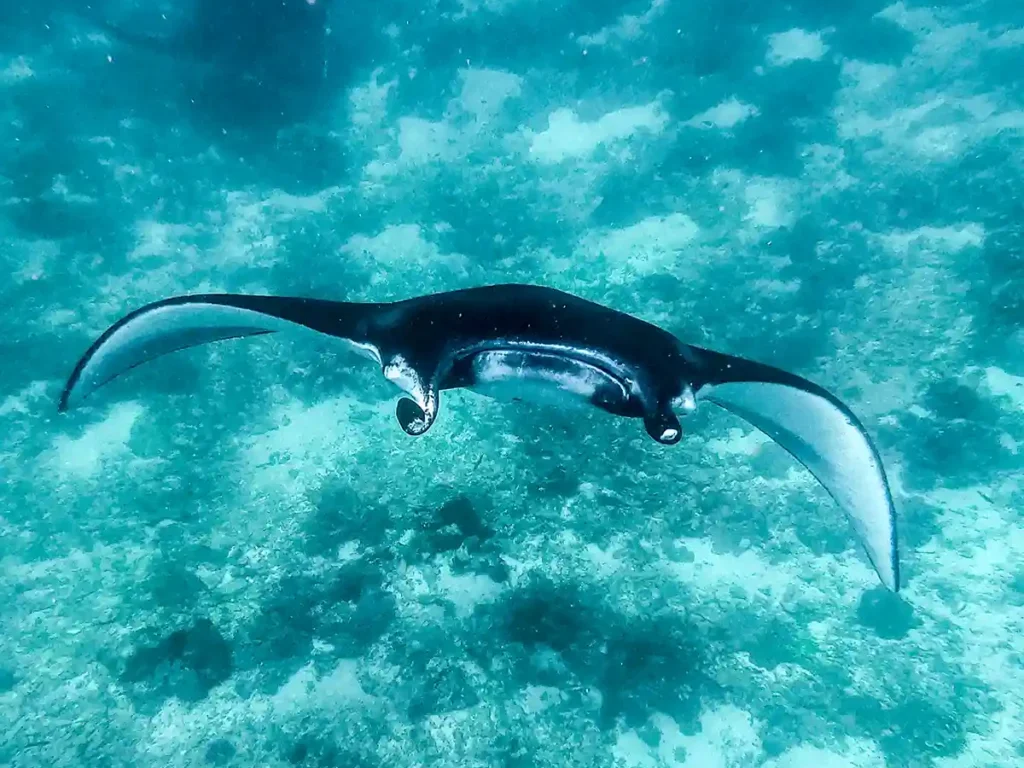
Above water, the experience continues below. Around Batanta’s reefs, snorkelers and divers encounter manta rays gliding effortlessly through blue corridors, and if fortune smiles, dugongs grazing peacefully on seagrass beds. These gentle marine giants are a sign of healthy ecosystems—and Batanta delivers them in quiet abundance.
Gallery
Frequently Asked Questions
Where is Batanta Island located?
What makes Batanta special for birdwatchers?
Can you swim with manta rays near Batanta?
What’s the best way to explore Batanta?
Related Blog Posts
Birdwatching in Indonesia: Why It Should Be on Your must-see
Discover rare birds and wild habitats across Indonesia. Plan your birdwatching adventure with expert tips on seasons,…
Read more →Uncover the Secrets of Kri Island in Raja Ampat
Explore the lush landscapes and vibrant marine life of Kri Island. Learn why this tropical haven is a top destination…
Read more →
How to Get to Raja Ampat – Your Ultimate Guide
Discover the best ways to reach Raja Ampat, from flights to boat transfers, and plan your trip with our expert travel…
Read more →
Komodo to Raja Ampat: Your Adventure Awaits
Discover how to travel from Komodo to Raja Ampat, explore marine wonders, and choose the best liveaboard tour for your…
Read more →How to Get to Raja Ampat from the UK 2026
Plan your 2026 trip from the UK to Raja Ampat with flight routes, boat transfers, and entry permit details. Book a…
Read more →