
What Are the Banda Islands?
The Banda Islands are a cluster of 11 volcanic islets in Indonesia’s Maluku province, known for their pivotal role in the historic spice trade. For centuries, they were the world’s only source of nutmeg and mace, making them a prize fought over by colonial powers. While often grouped under the broader term 'Spice Islands,' the Banda archipelago holds a distinct legacy—all its own.
Though the total land area spans just 172 square kilometers, the islands are rich in cultural depth and natural contrast. You’ll find colonial-era buildings tucked between nutmeg groves, coastal villages where traditions remain unchanged, and a quiet rhythm of life shaped by the sea and the seasons. Visiting feels less like tourism and more like stepping into a living archive of Indonesia’s layered past.
Where Are the Banda Islands Located?
Situated in the heart of the Banda Sea, the islands lie about 140 kilometers southeast of Ambon, the capital of Maluku. Banda Neira serves as the archipelago’s main hub—home to the airstrip, administrative offices, and the most accessible port. Nearby, islands like Banda Besar, Gunung Api, Ai, and Rhun offer varied landscapes, from active volcanic slopes to secluded coves.
Their remote location adds to their allure. With no mass tourism infrastructure, the islands feel untouched. The population, recorded at approximately 21,902 in mid-2023, lives in close-knit communities where hospitality is woven into daily life. From the air, the islands appear like emerald crowns floating on deep blue water—a sight that sets the tone for the journey ahead.
Why Visit the Banda Islands?
The Banda Islands offer a rare convergence of history, ecology, and cultural authenticity. Few destinations in Indonesia let you walk through centuries-old nutmeg plantations one moment and explore Dutch-built forts the next—all within view of thriving coral reefs.
Fort Belgica and Fort Nassau stand as enduring symbols of colonial rivalry, their stone walls echoing stories of trade, conflict, and resilience. Below the surface, the waters around the islands are part of the Coral Triangle, hosting some of the most biodiverse marine ecosystems on the planet. Above it, traditions endure: you might witness a local ceremony, taste sambal made with freshly ground nutmeg, or learn how farmers harvest spice from century-old trees. It’s a place where every sense is engaged, and every experience feels meaningful.
How to Reach the Banda Islands
Getting to the Banda Islands requires a combination of air and sea travel, but the journey enhances the sense of discovery. The most common route starts with a flight from Jakarta or Surabaya to Ambon, followed by a 40–45 minute hop to Banda Neira on a small aircraft. These planes offer stunning aerial views, though schedules can be unpredictable—booking ahead is essential.
Alternatively, travelers can take a fast ferry from Tulehu, Ambon’s ferry terminal, which takes 5–6 hours depending on sea conditions. Operators like Express Bahari and Cantika Inova serve this route, but services are weather-dependent. For a more immersive experience, the PELNI passenger ferry connects Ambon to Banda Neira in 8 to 16 hours. Slower but spacious, it allows time to connect with local passengers and enjoy the open sea—ideal for those who see travel as part of the adventure.
Top Experiences in the Banda Islands
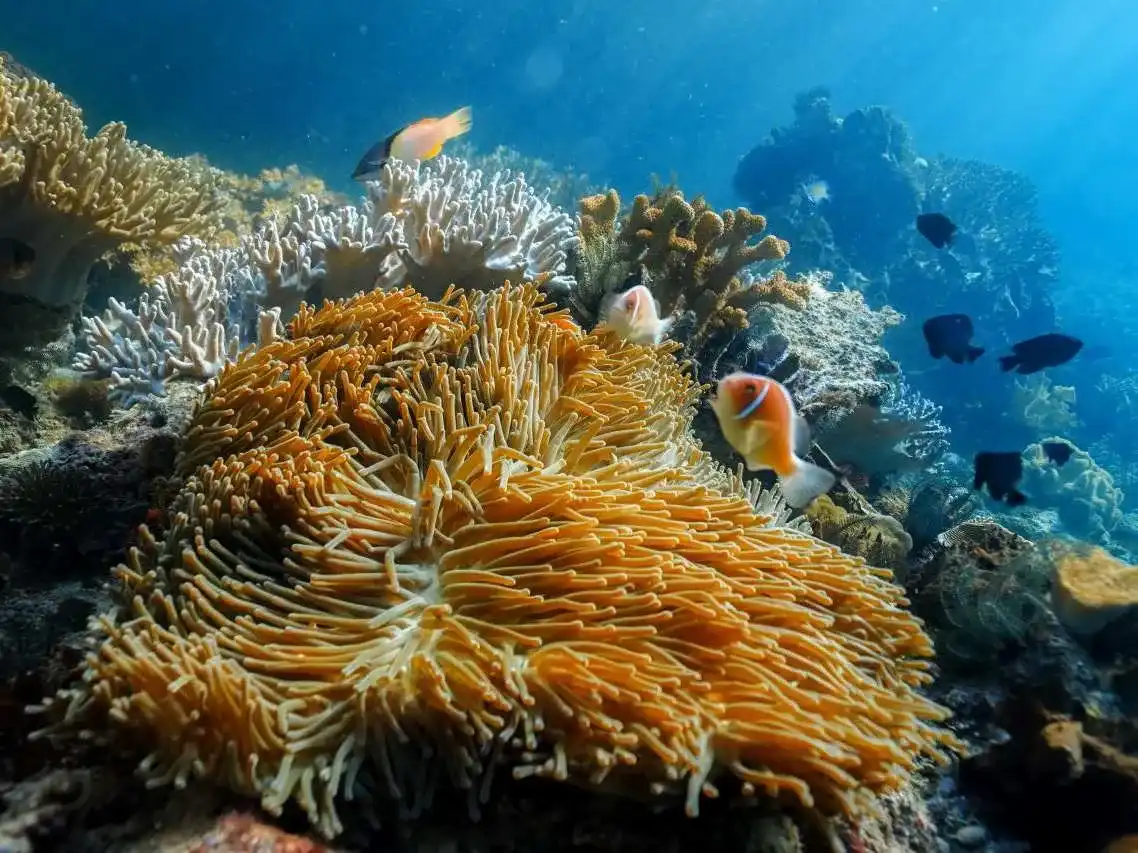
Exploring the Banda Islands means embracing both land and sea. Snorkeling and scuba diving reveal coral gardens bustling with reef sharks, turtles, and schools of tropical fish—conditions are at their best from April to November. Guided historical tours take you through Fort Belgica’s labyrinthine corridors and the remnants of Dutch colonial homes, offering context to the spice trade’s global impact.
Hiking Gunung Api, the active volcano on Banda Besar, is a challenge rewarded with panoramic views of the archipelago. The trail winds through dense forest and past lava fields, illustrating the islands’ volcanic origins. On quieter days, walks through nutmeg plantations offer a sensory journey—crushing a leaf between your fingers releases a warm, aromatic scent that defined global commerce for centuries. Meanwhile, beaches like Hatta and Neira invite stillness: white sand, gentle waves, and the kind of solitude that’s hard to find elsewhere in Southeast Asia.
Practical Tips for Your Visit
To make the most of your time, plan around the dry season (April to November), when diving, hiking, and island-hopping are most comfortable. Seas are calmer, visibility underwater is higher, and rainfall is minimal.
Cash is essential—while Banda Neira has ATMs, many vendors, homestays, and local guides operate on cash-only. Carry sufficient Indonesian Rupiah for meals, souvenirs, and transport. Respect local customs by dressing modestly in villages and asking permission before photographing people. Pack reef-safe sunscreen, insect repellent, and sturdy footwear for trails and rocky coasts.
Weather can shift quickly, especially outside the dry months. Flexibility in your itinerary ensures you’re not caught off guard. And for a seamless experience, consider traveling with a trusted operator like Boat Komodo Trip, which handles logistics, provides expert guides, and ensures safety across remote island routes.
Frequently Asked Questions
What is the best time to visit the Banda Islands?
Are there ATMs in the Banda Islands?
Is it safe to travel to the Banda Islands?
Can I visit the Banda Islands on a day trip from Ambon?
Do I need a permit to visit the Banda Islands?
Related Blog Posts
Raja Ampat Diving Spots: Unveiling the Hidden World
Discover the best Raja Ampat diving spots, from beginner-friendly sites to advanced dives, and experience the…
Read more →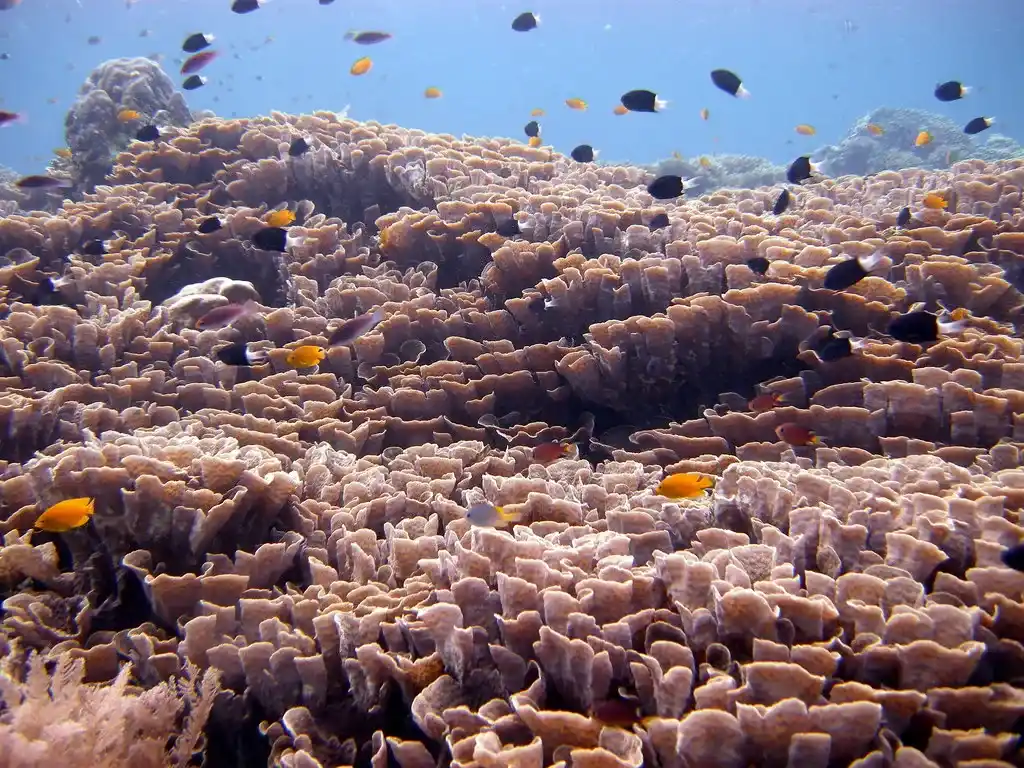
Indonesia Island Hopping: Explore The 11 Top Islands
Ready for an Indonesia island hopping adventure? Explore the top islands with luxury travel options by Boat Komodo Trip…
Read more →Indonesia Yacht Charter: Unspoiled Islands & Unforgettable Luxury
Explore Indonesia's unspoiled islands in luxury with a private yacht charter from Boat Komodo Trip. Book now for an…
Read more →
Komodo Dragon's Hidden Enemies: What Threatens the King of the…
Discover the surprising enemies of Komodo dragons and understand their fight for survival. Join a responsible Komodo…
Read more →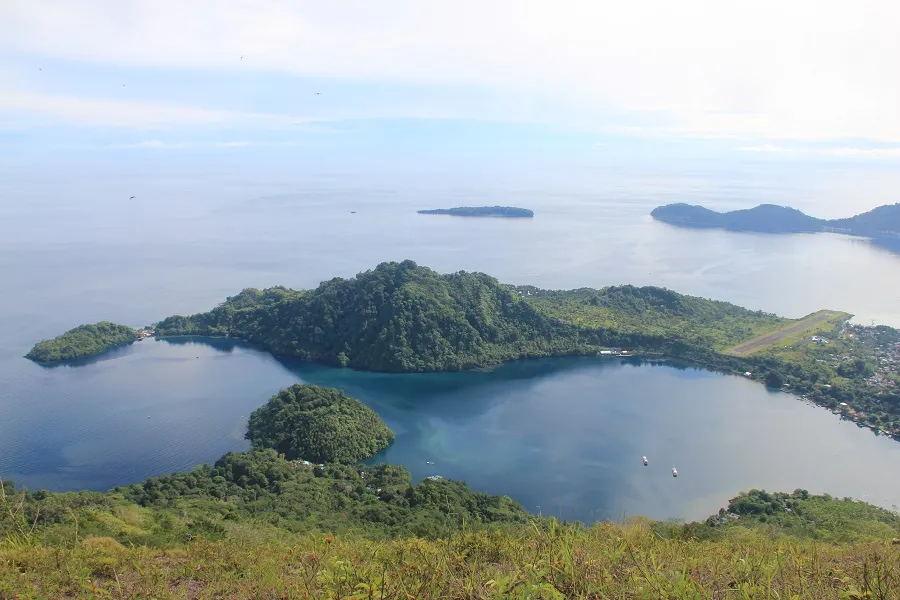
Spice Islands Indonesia: A Destination of History, Beauty & Adventure
Explore Spice Islands Indonesia, where rich history, nature, and exciting adventures await. Discover heritage and…
Read more →