
Bali: Where Culture Meets Coastal Ease
Bali has long been a magnet for travelers seeking beauty, spirituality, and comfort. Known as the Island of the Gods, it blends vibrant traditions with modern luxury. You’ll find yoga retreats nestled in rice paddies, beach clubs pulsing in Seminyak, and centuries-old temples like Tanah Lot perched above crashing waves.
The island supports every kind of traveler — from solo backpackers to families and honeymooners. Whether you're hiking up Mount Batur for sunrise, catching waves at Uluwatu, or exploring Ubud’s art markets, Bali offers accessible adventure paired with strong infrastructure. Restaurants, spas, and high-end stays are never far away.
For those looking to elevate the experience, Bali Premium Trip curates tailored getaways — think private boat excursions to Nusa Penida or golf experiences in scenic resorts. It’s the ideal base for travelers who want culture, convenience, and a touch of indulgence.
Komodo Island: A Realm of Raw Natural Power
Just a flight east, Komodo Island feels like another world. Part of the UNESCO-listed Komodo National Park, this landscape is shaped by wind, salt, and ancient instincts. It’s home to the Komodo dragon — the planet’s largest lizard, reaching up to 3 meters and weighing around 90 kg — roaming freely across savannah-like hills and coastal scrub.
Here, comfort takes a backseat to authenticity. There are no beachfront malls or traffic jams — just rugged trails, panoramic viewpoints on Padar Island, and some of the richest dive sites in the world. Snorkeling at sites like Pink Beach or Manta Point puts you face-to-fin with reef sharks, turtles, and giant manta rays.
The rhythm of life follows nature’s pace. You explore with a ranger, stay aboard a well-equipped boat, and embrace the unpredictability of tides and trails. This isn’t about luxury in the traditional sense — it’s about immersion, discovery, and moments that feel truly wild.
Why These Two Islands Belong on One Journey
Choosing between Bali and Komodo isn’t necessary — in fact, combining them creates one of Indonesia’s most rewarding itineraries. Start in Bali: unwind, recharge, and ease into island time. Then fly east to Labuan Bajo and step into a more primal version of the archipelago.
Boat Komodo Trip specializes in bridging these two worlds. After your time in Bali — whether through independent travel or a curated Bali Premium Trip — our team ensures a smooth transition to a private or shared Komodo Island Tour Package. You’ll explore the park’s highlights with expert guides, all while staying in comfort aboard well-maintained vessels with full support.
This pairing delivers balance: the soulful ease of Bali with the thrilling pulse of Komodo. You return home not just with photos, but with a deeper sense of Indonesia’s range — from ceremony to survival, from serenity to adventure.
Frequently Asked Questions
What is the main difference between Bali and Komodo Island?
Can I visit both Bali and Komodo Island in one trip?
How do I get from Bali to Komodo Island?
Is Komodo Island suitable for all travelers?
Related Blog Posts
Can You Visit Komodo Island from Bali?
Yes, you can visit Komodo Island from Bali. Discover how to get there by plane or boat, best tours, timing, and tips…
Read more →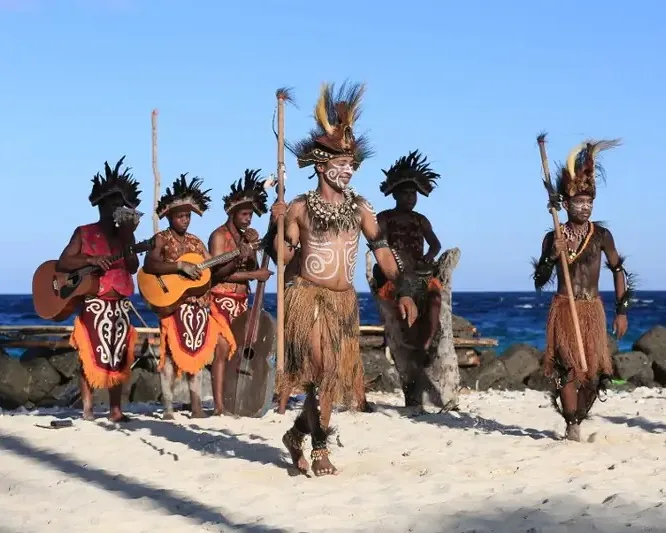
Explore Waisai: The Main Gateway to Raja Ampat
Discover Waisai, the cultural and natural starting point for Raja Ampat expeditions. Plan your journey with authentic…
Read more →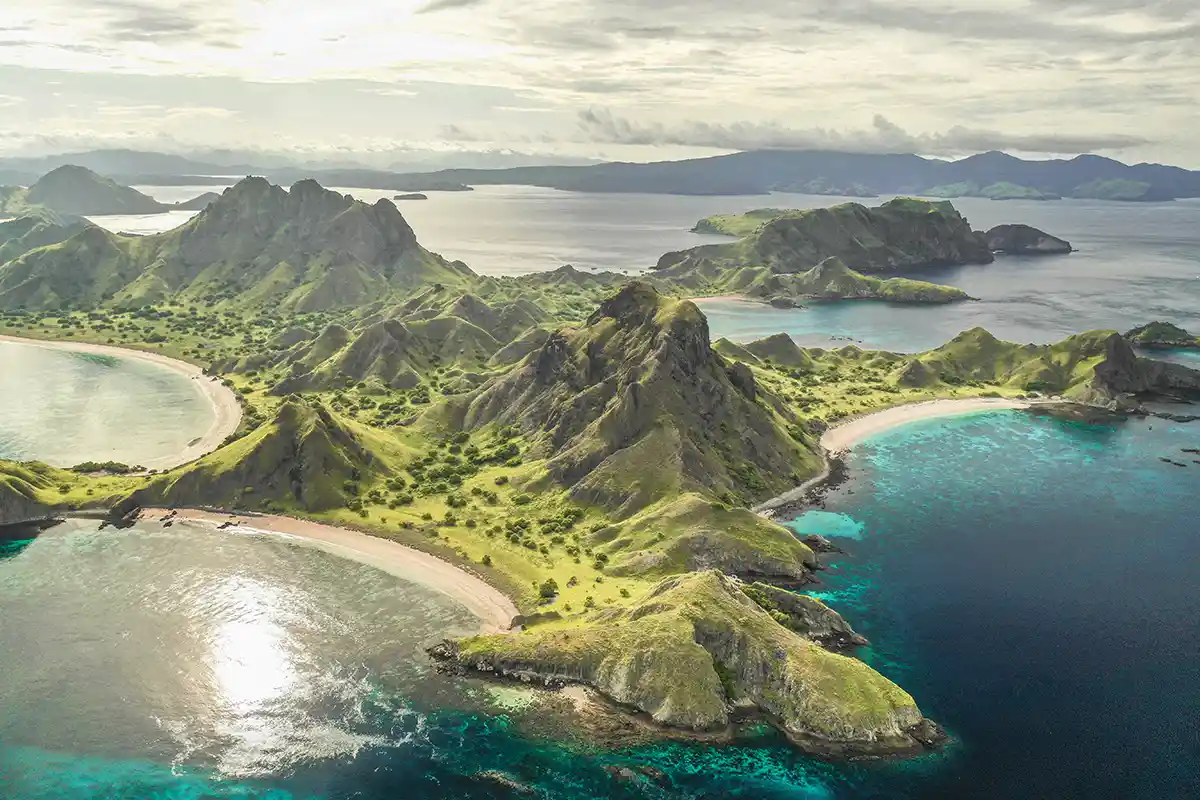
Bali to Komodo Island 2026: Your Complete Travel Guide
Plan your 2026 journey from Bali to Komodo Island with trusted routes, flight insights, and local tips. Start your…
Read more →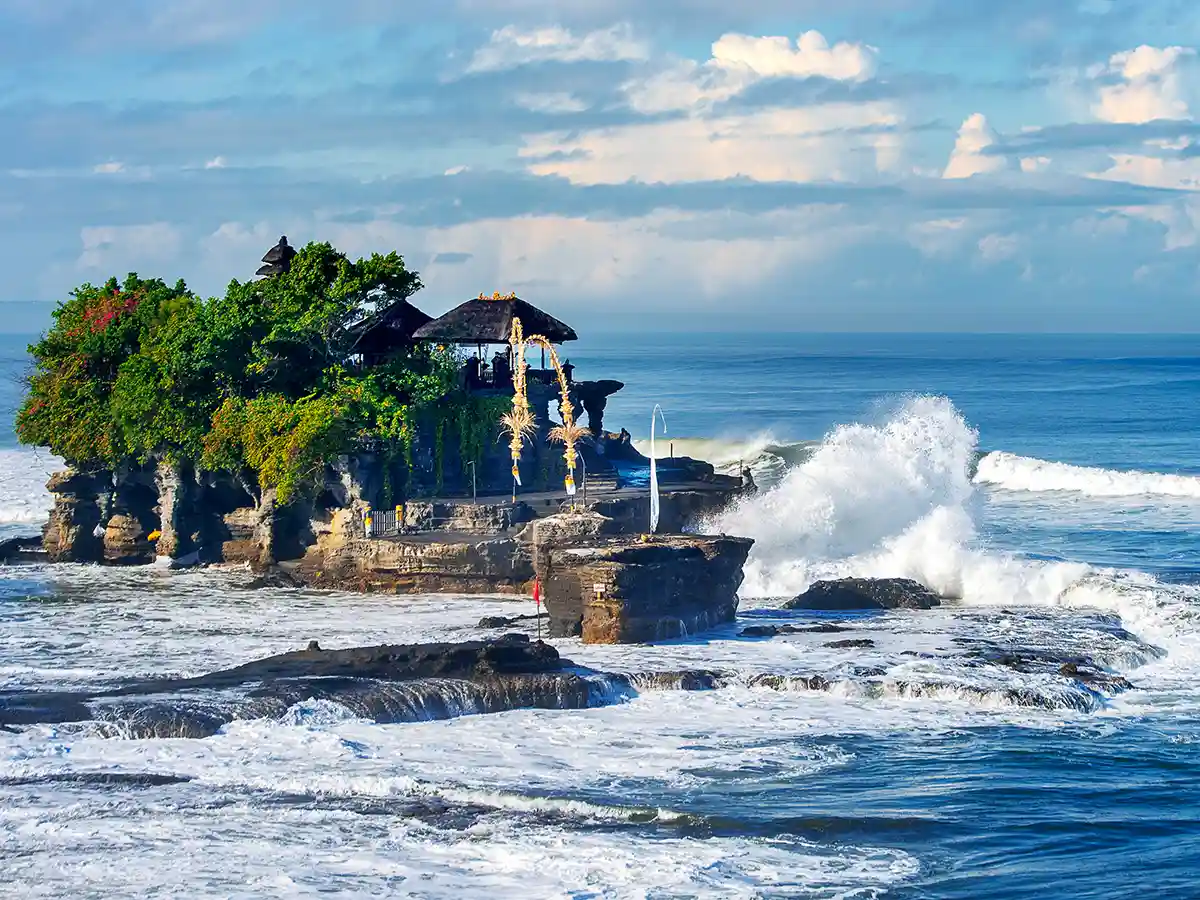
What is Bali Known for? Here are 15 Popular Things in Bali
Explore the best of Bali, from stunning beaches to vibrant culture, and delicious cuisine. Get insider tips on must-see…
Read more →
Can You Visit Komodo Island in May 2026?
Yes, you can visit Komodo Island in May 2026. Discover weather conditions, dragon activity, diving quality, and how to…
Read more →