
Why Komodo Island Beats Typical Korean Getaways
South Korea offers stunning landscapes — from the volcanic cliffs of Jeju to the sandy stretches of Haeundae Beach. But Komodo Island delivers something entirely different: raw, primal nature where adventure isn’t curated, it’s earned. Here, you’ll walk trails guarded by Komodo dragons, the world’s largest living lizards, and wade onto Pink Beach, where coral fragments tint the sand in soft rose hues found in fewer than a dozen places on Earth.
Beyond the novelty, Komodo’s archipelago is a living postcard of biodiversity. Beneath the waves, reefs teem with manta rays, turtles, and technicolor schools of fish. Above, savannah hills roll into turquoise bays. For Korean travelers used to efficient transit and manicured parks, this corner of Indonesia offers a refreshing contrast — rugged, remote, and rich with moments that feel genuinely undiscovered.
Mapping Your Route: Flights and Transfers
There’s no direct flight from South Korea to Labuan Bajo yet, but that changes in October when new routes launch. Until then, connecting flights keep you on track without breaking the journey’s rhythm. Your best options are flying into Jakarta or Bali first — both well-served by Korean carriers like Asiana and Korean Air.
From Incheon, Asiana offers a flight to Jakarta (CGK) departing at 14:55 and landing at 20:10, lasting about 7 hours and 15 minutes, priced around USD 224.58. If Bali suits your pace better, Korean Air flies from Incheon (ICN) to Denpasar (DPS) at 16:10, arriving by 22:10 after a 7-hour flight, with tickets averaging USD 365.
Once in Indonesia, your next hop is Labuan Bajo. Flights from Jakarta or Bali take just over an hour, cost from USD 65, and run multiple times daily. Book in advance to secure early morning departures, giving you more daylight to settle in and prep for your boat tour the next day.
What to Pack — and What to Skip
Backpacking through Komodo means balancing preparedness with minimalism. The tropical climate demands lightweight, quick-dry clothing to handle heat and sudden sea spray. Sun protection is non-negotiable: bring high-SPF sunscreen, a wide-brimmed hat, and UV-blocking sunglasses to shield against relentless equatorial rays.
Footwear matters. Trails can be rocky and uneven, especially on Komodo and Rinca islands, so pack supportive hiking shoes. A waterproof dry bag keeps electronics and documents safe during boat transfers. Toss in a reusable water bottle to stay hydrated, a power bank for charging on the move, and insect repellent for evenings near coastal vegetation.
Skip heavy fabrics, excess toiletries, and non-essential gadgets. Most boat tours provide snorkeling gear, meals, and basic amenities — so travel light, move freely.
Staying on Budget Without Sacrificing Experience
Backpacking smart means stretching your budget without skimping on highlights. In Labuan Bajo, affordable guesthouses and homestays offer clean rooms, Wi-Fi, and AC, with prices starting under USD 30 per night. Staying near the harbor cuts transport costs and lets you walk to tour departure points.
When it comes to exploring the park, join an open or shared boat tour. These group trips let you sail on traditional phinisi boats — spacious, elegant wooden vessels — without chartering one solo. Shared tours include park entry fees, guided hikes, snorkeling stops, meals, and transfers, all bundled at a fraction of private tour costs.
Booking early pays off. During peak season (May–September), shared spots fill fast. Secure your place weeks ahead, especially if traveling in summer months when Korean backpackers flock abroad.
Staying Safe in the Wild
Komodo National Park is remote by design — and that’s part of its charm. But with great adventure comes responsibility. Always follow your guide’s lead, especially on dragon-viewing trails. These apex predators are wild and protected; keeping distance isn’t just safe, it’s required.
Hydration is critical under the tropical sun. Drink water consistently, even when you don’t feel thirsty. Carry personal medication and a basic first aid kit with antiseptics, bandages, and pain relievers. Be weather-aware: afternoon storms can roll in fast, and boat schedules may shift. Stay flexible, listen to crew updates, and avoid risky shortcuts on hikes.
Pricing
Rates as published on our legacy listing. Contact us for current availability, seasonal rates, and private-charter offers.
| Category | Price |
|---|---|
| 1. Finding Affordable Flights from Korea High Season | USD 224.58 |
| 1. Finding Affordable Flights from Korea High Season | USD 365 |
| 2. Connecting Flight from Jakarta or Bali to Labuan Bajo High Season | USD 65, |
Frequently Asked Questions
When is the best time to backpack from South Korea to Komodo Island?
Do I need a visa to visit Indonesia from South Korea?
How long should I spend in Komodo National Park?
Are shared boat tours safe and comfortable for solo backpackers?
Related Blog Posts
How to Get to Komodo Island from South Korea 2026
Plan your 2026 trip from South Korea to Komodo Island with clear flight routes, costs, and boat tour tips. Start your…
Read more →
How to Get from South Korea to Bali 2026
Discover seamless travel options from South Korea to Bali in 2026. Plan your trip with Boat Komodo Trip's expert tips…
Read more →Komodo Island Backpacking Guide
Plan a budget trip to Komodo Island with our backpacking guide, covering routes, costs, must-visit spots, and why an…
Read more →Direct Flight from Labuan Bajo to South Korea: A New Convenience…
A direct flight from Labuan Bajo to South Korea starts October 2025. Learn how this changes travel plans and discover…
Read more →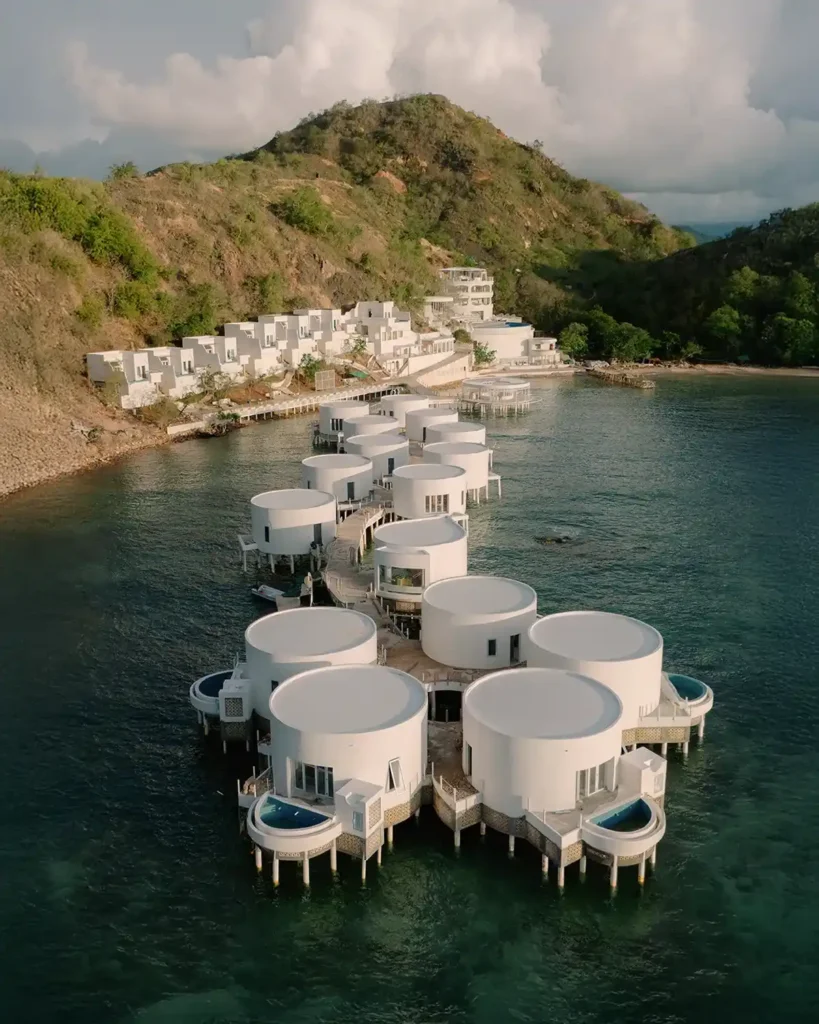
Hotels in Flores: Your Ultimate Guide to the Best Stays on the Island
Explore top accommodations near Komodo Island and Labuan Bajo for an unforgettable vacation experience on Flores…
Read more →