
Where Crocodiles Typically Live — And Why Komodo Isn’t Ideal
Crocodiles thrive in environments where saltwater mixes with freshwater — think mangrove forests, river estuaries, and tidal lagoons. These zones offer shelter, hunting cover, and stable conditions for long-term habitation. Across Indonesia, such habitats exist, particularly in remote parts of Nusa Tenggara Timur. But within Komodo National Park, these ecosystems are limited and mostly found outside regular visitor routes.
Rinca Island, for instance, has more developed mangrove coastlines than Komodo, making it a slightly more plausible — though still rare — spot for transient crocodiles. The southern coast of Flores, near Lembata and the Komodo-Flores sea border, also features secluded estuaries that could attract solitary animals. Similarly, the southern coves of Padar Island and isolated bays off Sumbawa have environmental traits that might draw a passing saltwater crocodile. Still, no permanent populations have been recorded in any of these areas.
The key point? Even where conditions are marginally suitable, crocodile presence remains sporadic and undocumented. Most sightings are anecdotal, reported by fishermen or locals rather than tourists or park staff. For travelers on guided itineraries, the likelihood of encountering one is negligible.
Local Knowledge: What Guides and Rangers Say
Ask any ranger, dive master, or local boat captain in the region: crocodiles aren’t part of daily life in Komodo. The real star — and the reason most people visit — is the Komodo dragon. These massive lizards dominate both the landscape and local conversation, while crocodile sightings are so uncommon they’re treated as oddities when they do come up.
Interestingly, the confusion between crocodiles and dragons isn’t new. Before scientists formally identified the Komodo dragon in 1910, locals in western Flores spoke of giant 'land crocodiles' roaming the hills. With their armored scales, powerful limbs, and fearsome reputation, it’s easy to see how early observers might make the connection. These accounts eventually reached Dutch colonial authorities, prompting scientific investigation — which confirmed not a crocodile, but the world’s largest lizard: Varanus komodoensis.
So the idea of crocodiles on Komodo has roots in a real historical mix-up. Today, that legacy lives on in myths and occasional speculation, but not in verified wildlife data.
How Safe Is Your Visit? Practical Advice for Travelers
While the possibility of a crocodile appearing somewhere in the broader region can’t be ruled out entirely, your actual risk as a visitor is extremely low. Komodo Island itself lacks the brackish wetlands crocodiles depend on, and tourist zones are carefully managed by park authorities and experienced guides. You’re far more likely to see a dragon, a manta ray, or a reef shark than any kind of crocodile.
That said, staying alert is always wise. Avoid swimming in mangrove-lined creeks or near river mouths, especially on less-visited islands. These areas are harder to monitor and, while rarely used by crocodiles, could theoretically attract a wandering individual. Stick to open, sandy beaches and designated snorkeling spots where visibility is high and safety protocols are in place.
By following local guidance and choosing reputable operators, you’ll enjoy a seamless, secure experience — just like the thousands of visitors who explore Komodo safely each year.
Wildlife Safety Tips for a Confident Adventure
Exploring Komodo’s wild beauty is safe when you take simple, informed precautions. Start by always traveling with licensed park guides, who know the terrain, monitor animal movements, and carry emergency protocols. They’ll keep you at a safe distance from dragons and steer clear of any unusual wildlife activity.
Avoid entering mangrove forests or estuarine zones, even if they look inviting. These areas are ecological transition zones where saltwater crocodiles might occasionally pass through. Stick to clear, open waters for swimming and snorkeling. Trust your local crew — boat captains and rangers have years of firsthand experience and will advise against certain areas if conditions change.
During the wet season (December to March), heavy rains can alter water levels and wildlife behavior. Check with your guide before heading out, especially for hikes or shoreline visits. Finally, choose tour operators like Boat Komodo Trip that prioritize safety, follow park regulations, and maintain strong ties with local authorities. Responsible travel means peace of mind.
So, Are There Crocodiles on Komodo Island?
The short answer: no established population exists, and sightings on Komodo Island are exceptionally rare. While saltwater crocodiles could theoretically pass through the wider region — particularly in remote mangrove areas of Rinca or southern Flores — there’s no evidence of breeding or permanent residence within Komodo National Park.
Tourist activities are concentrated in well-monitored zones: dry savannah trails for dragon viewing, open beaches for swimming, and coral-rich reefs for diving. These areas are not crocodile habitat. The idea that they roam freely here stems more from myth and historical confusion than reality.
You can explore Komodo with confidence. The real thrill lies in watching dragons stalk their prey, swimming alongside reef sharks, and hiking to panoramic viewpoints — not in worrying about elusive predators that almost never appear.
Frequently Asked Questions
Do Komodo dragons and crocodiles live in the same areas?
Has there ever been a crocodile attack in Komodo National Park?
Can I swim safely in Komodo’s waters?
Why do people confuse Komodo dragons with crocodiles?
Related Blog Posts
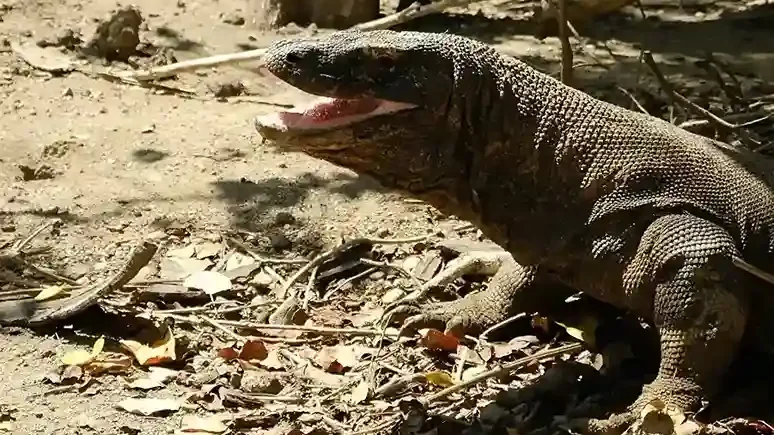
Are Komodo Dragons Toothless? Here’s the Real Answer!
Think Komodo dragons are toothless? Discover how their hidden teeth make them deadly predators—and see them safely on a…
Read more →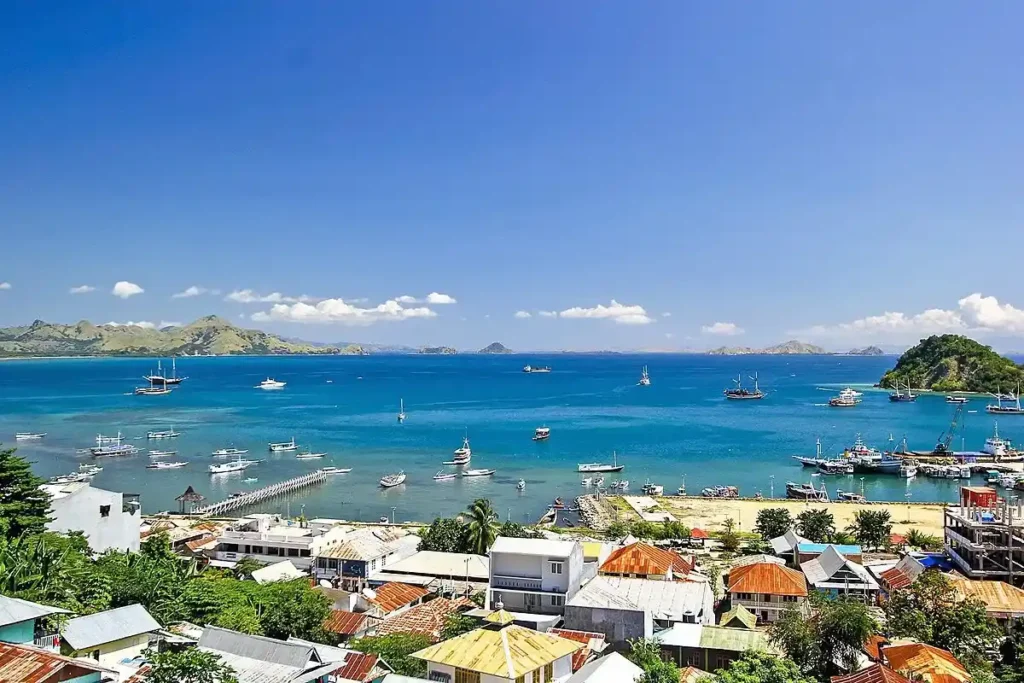
Can You Visit Komodo Island Without a Tour? Here Is the Honest Answer
Wondering if you can visit Komodo Island without a tour? Learn why a ranger is mandatory, how much boat trips cost, and…
Read more →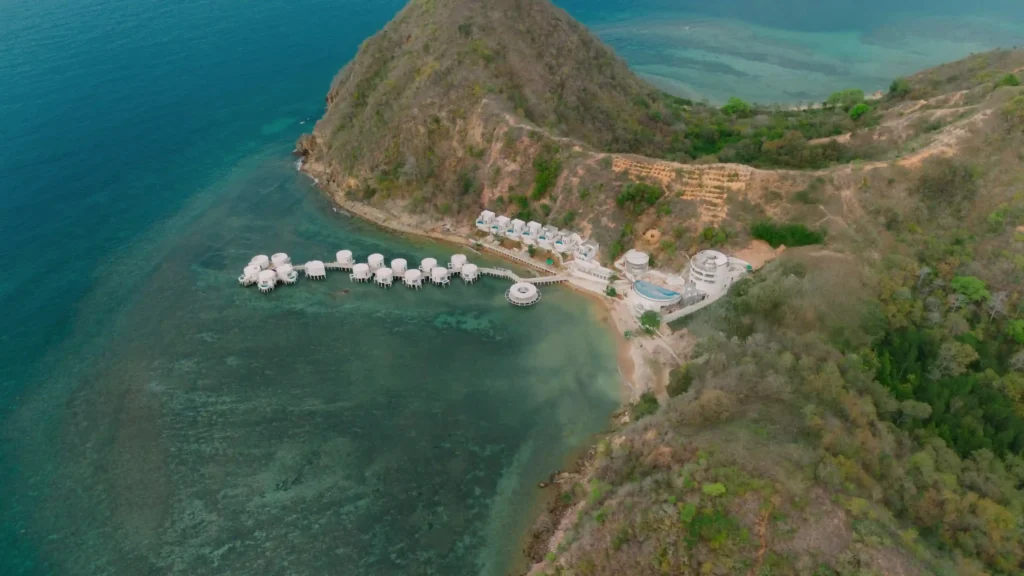
Are There Accommodations on Komodo Island? An Explanation &…
Wondering if there are accommodations on Komodo Island? Discover why there are none, and explore the best places to…
Read more →Complete Guide to Visiting Padar Island in 2026: Tips, Activities &…
Plan your Padar Island visit in 2026 with expert tips on access, hikes, and tours. Discover Pink Beach, sunrise views,…
Read more →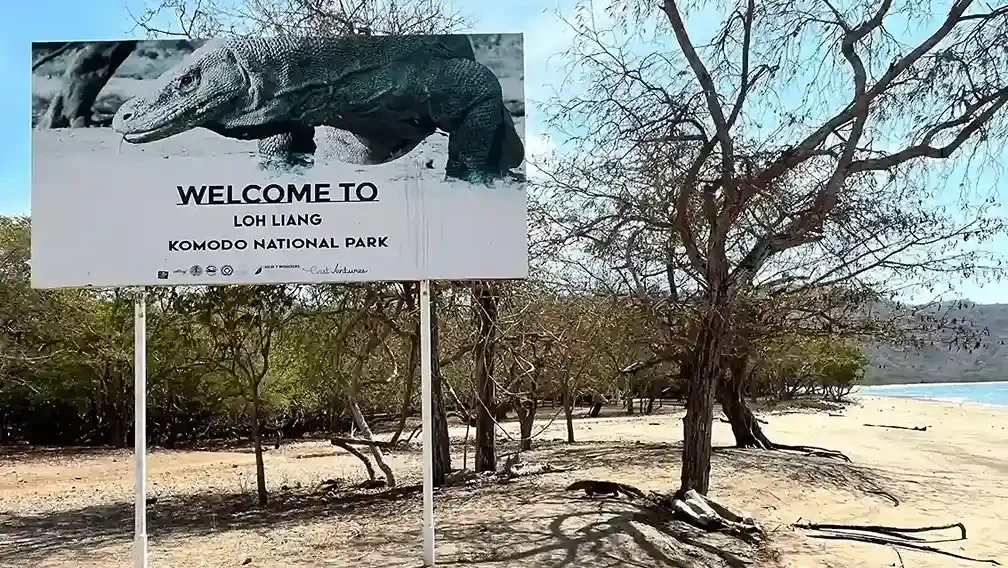
Komodo Island 2026 Travel Costs: Real Budget Breakdown
Plan your 2026 Komodo trip with confidence. See real costs for flights, park fees, tours, and more—plus smart tips to…
Read more →