
Komodo Island and the Heart of Komodo National Park
Komodo Island is one of the three major islands within Komodo National Park, alongside Rinca and Padar. It’s the largest natural habitat of the Komodo dragon—Varanus komodoensis—the world’s biggest lizard, found nowhere else on Earth. The island’s dry savannahs, rugged trails, and coastal forests create the perfect environment for these ancient reptiles, which can grow over 3 meters (10 feet) long and weigh more than 70 kg (154 lbs).
But Komodo Island is more than just a wildlife spectacle. It’s part of a UNESCO World Heritage Site celebrated as much for its marine biodiversity as its terrestrial wonders. Beneath the surface, coral reefs host over 260 species, attracting manta rays, sea turtles, and reef sharks. Above water, pink-sand beaches—colored by crushed coral from red foraminifera—offer surreal photo opportunities, especially at sunrise.
How They Work Together: Gateway and Destination
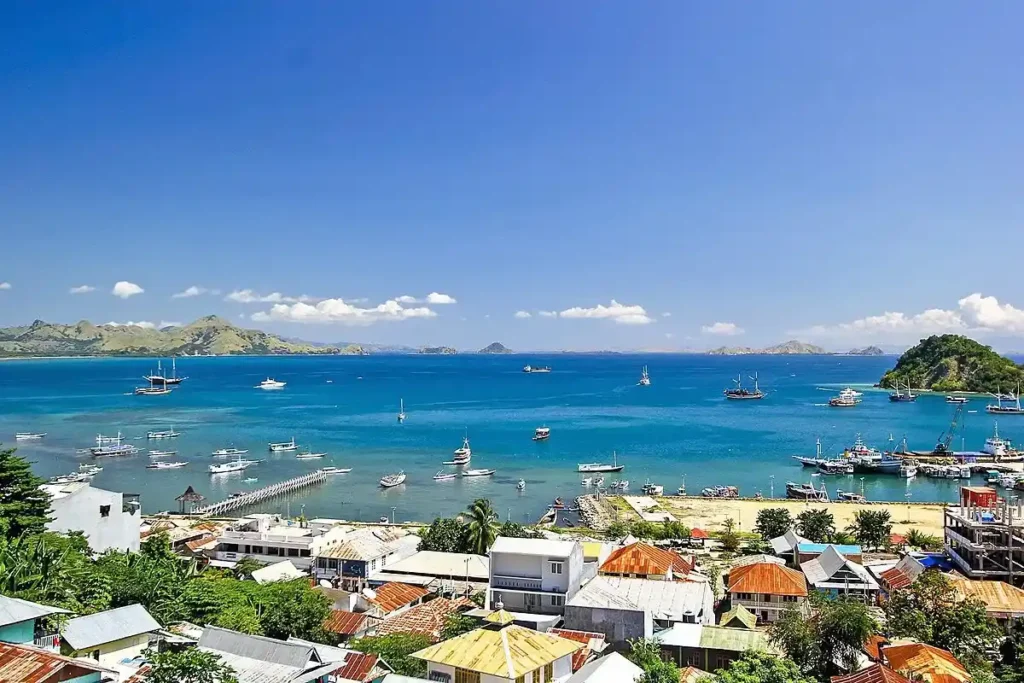
Think of Labuan Bajo as the gateway and Komodo Island as the crown jewel. All trips to Komodo National Park, whether day excursions or multi-day liveaboard journeys, begin in Labuan Bajo. From its harbor, boats—ranging from speedboats to traditional phinisi schooners—set sail for the islands, with crossing times typically between 1.5 to 3 hours depending on destination and vessel type.
This connection is essential. Without Labuan Bajo’s infrastructure, accessing Komodo Island would be far more difficult. And without Komodo Island’s natural wonders, Labuan Bajo wouldn’t hold the same magnetic appeal. Together, they form a seamless adventure circuit: you rest, refuel, and prepare in town, then head out to explore one of the planet’s most unique ecosystems. Travelers often spend a night or two in Labuan Bajo before and after their island tours, turning what could be a simple transit into a fuller regional experience.
Gallery

Frequently Asked Questions
Can you stay overnight on Komodo Island?
How long does it take to get from Labuan Bajo to Komodo Island?
Do I need a permit to visit Komodo Island?
Is Labuan Bajo just a stopover, or worth exploring?
Related Blog Posts
How to Get to Komodo Island from Labuan Bajo
Discover the best way to visit Komodo Island from Labuan Bajo with our expert guide, including top destinations, tour…
Read more →
From Bali to Labuan Bajo: Your 2026 Travel Guide
Discover how to get from Bali to Labuan Bajo by flight, ferry, or boat tour. Plan your Komodo adventure with ease and…
Read more →
Best Time to Visit Labuan Bajo for Komodo Adventures
Plan your Komodo trip with confidence. Discover the ideal months for wildlife, diving, and festivals in Labuan Bajo –…
Read more →
Boats in Labuan Bajo for Komodo Tours
Explore top boats in Labuan Bajo for Komodo National Park adventures. Find your ideal vessel with Boat Komodo Trip and…
Read more →
18 Unmissable Experiences in Labuan Bajo
Discover the best things to do in Labuan Bajo, from snorkeling and diving to exploring traditional villages and…
Read more →