
How Hidden Teeth Aid Their Hunting Strategy
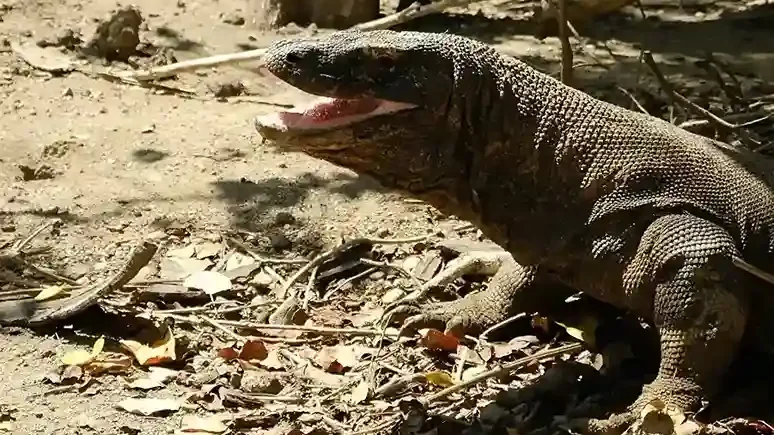
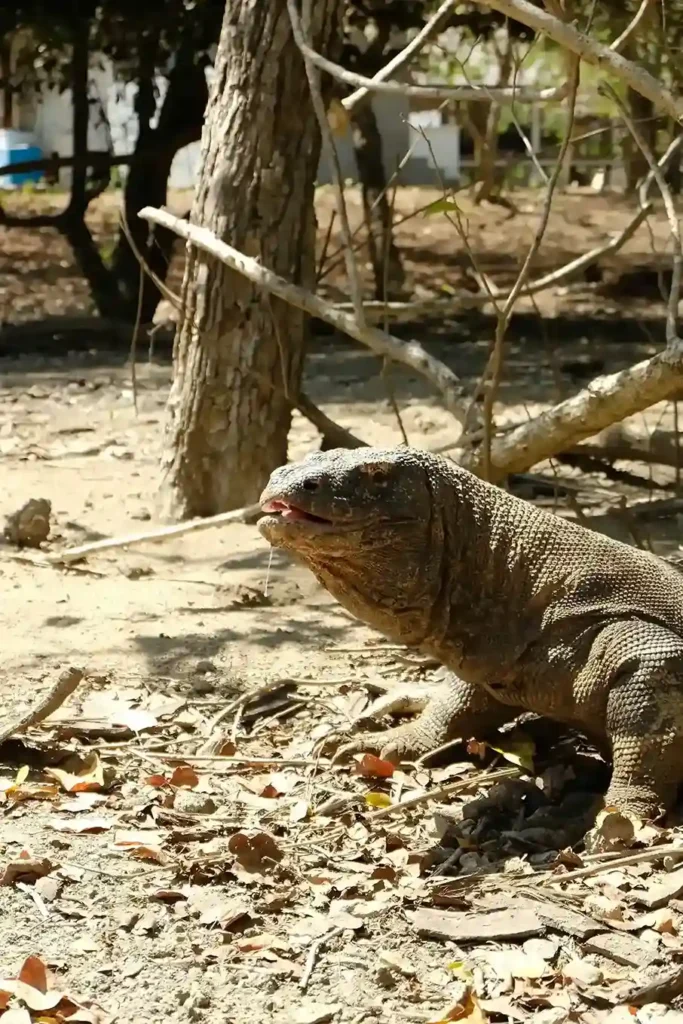
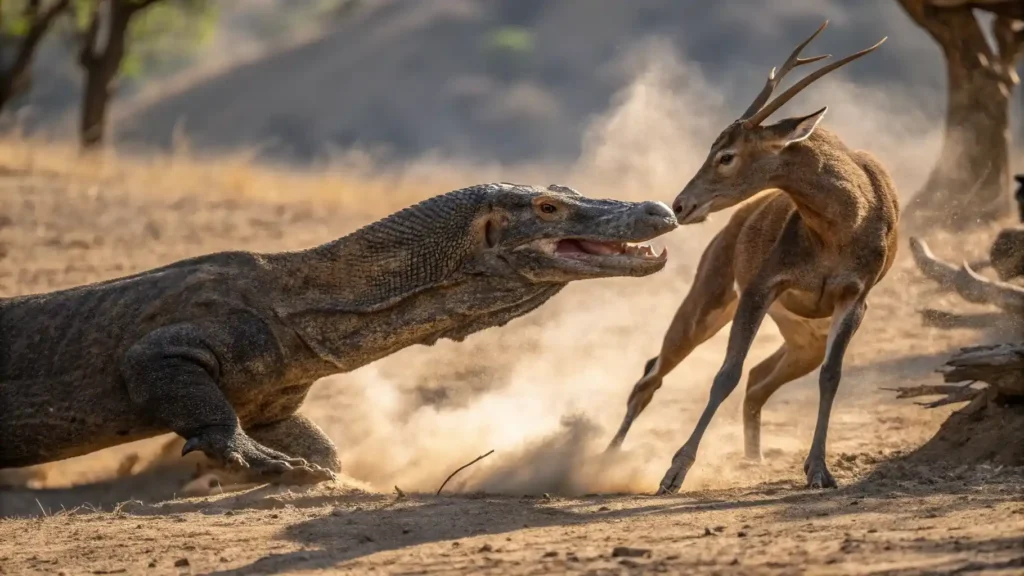
Komodo dragons are ambush predators, and their concealed teeth play a tactical role. Because their mouths look harmless when closed, they can approach prey—like deer or wild boar—without triggering immediate flight. In those final seconds, their target may not realize the danger until it’s too late.
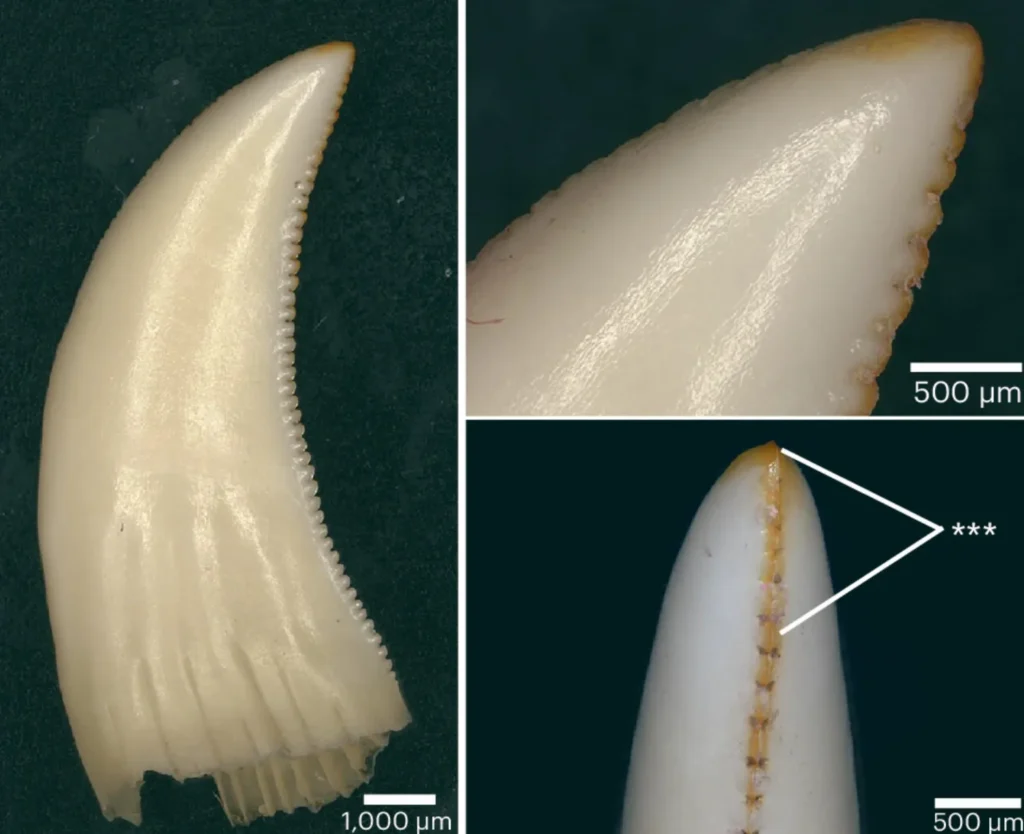
Once they strike, the serrated teeth create deep, jagged wounds that bleed heavily. While venom contributes to weakening the prey, it’s the physical damage from their teeth that starts the process. They don’t always kill instantly. Often, they bite, retreat, and follow the scent trail until the animal collapses from blood loss and infection. The hidden teeth aren’t just a biological feature—they’re part of a calculated, efficient hunting system refined over millions of years.
Can Komodo Dragon Teeth Harm Humans?
Yes—though attacks are rare, Komodo dragon teeth pose a real danger to people. Their bite causes deep, ragged lacerations that bleed heavily and are prone to infection. Their saliva carries bacteria and venom compounds that can lead to swelling, blood thinning, and even systemic shock if untreated.
That’s why all visits to Komodo dragon habitats are strictly guided. Park rangers carry long poles for defense and maintain a safe distance. Even seemingly docile dragons can react in a flash if startled or threatened. The same teeth evolved to bring down water buffalo can inflict serious harm on a human. Respect isn’t just polite—it’s essential for safety.
Gallery
Pricing
Rates as published on our legacy listing. Contact us for current availability, seasonal rates, and private-charter offers.
| Category | Price |
|---|---|
| Are Komodo Dragons Toothless? | rp, |
Frequently Asked Questions
Are Komodo dragons toothless?
Why do people think Komodo dragons have no teeth?
What do Komodo dragon teeth look like?
Are Komodo dragon teeth dangerous to humans?
Related Blog Posts
Komodo Dragons in Bali? Here’s Where You Can Really See Them
No, Komodo dragons don’t live in Bali. Discover where they actually live and how to see them in the wild with…
Read more →Are There Crocodiles on Komodo Island? The Real Answer
Curious if crocodiles live on Komodo Island? Get the facts, understand the risks, and plan your safe adventure with…
Read more →
Can You Visit Komodo Island Without a Tour? Here Is the Honest Answer
Wondering if you can visit Komodo Island without a tour? Learn why a ranger is mandatory, how much boat trips cost, and…
Read more →
Are There Komodo Dragons in Labuan Bajo? Discover How to Meet Them in…
No, Komodo dragons don’t live in Labuan Bajo—but here’s exactly where and how to see them safely in the wild. Plan your…
Read more →Can Komodo Dragons Swim? Here’s the Fact!
Yes, Komodo dragons can swim. Discover how far they travel in water, why they swim, and how to see them in the wild…
Read more →