
Raja Ampat Birdwatching
Few places on Earth offer such a raw, vibrant stage for birdlife as Raja Ampat. With its emerald forests, isolated islets, and decades of conservation, this archipelago is a living sanctuary for some of the rarest birds on the planet.
Why Raja Ampat Is a Birdwatcher’s Dream
Raja Ampat isn’t just a marine wonder—it’s a global hotspot for avian biodiversity. Over 300 bird species have been recorded here, with more than 20 found nowhere else on Earth. The convergence of Australasian and Asian ecosystems, combined with rugged terrain and dense rainforests, creates ideal conditions for birds to thrive. You’re not just watching birds here—you’re witnessing evolutionary stories unfold in real time.
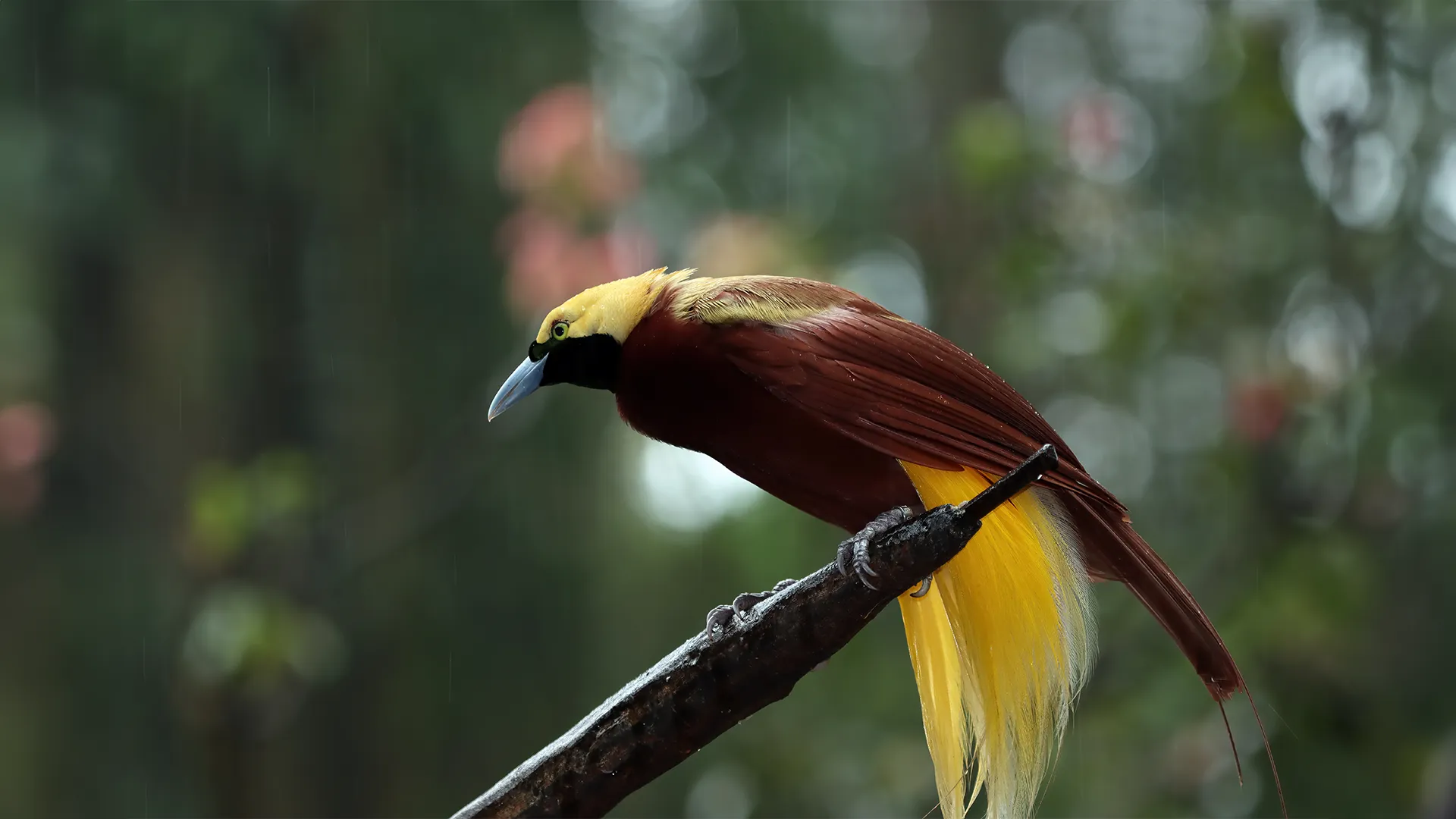
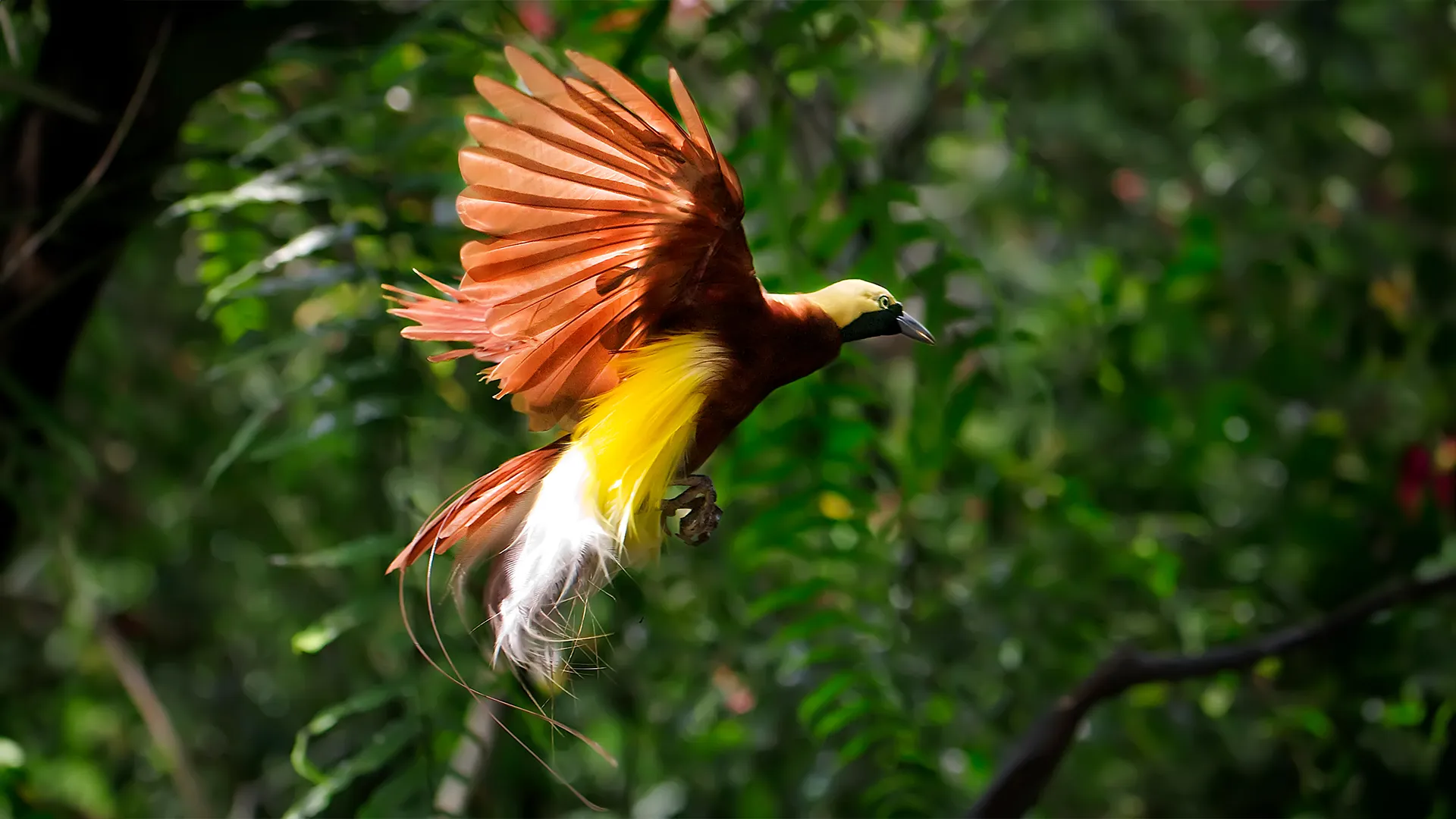
Among the most sought-after are the Birds of Paradise, famed for their elaborate plumage and courtship dances. Wilson’s Bird of Paradise and the Red Bird-of-Paradise are both native to these islands, and seeing them in their natural habitat is a privilege few experiences match. Other notable species include the Palm Cockatoo, Eclectus Parrot, and the elusive Red-breasted Paradise Kingfisher. Whether you're a seasoned birder or simply drawn to wild places, Raja Ampat delivers moments of awe.
Top Birdwatching Locations in the Archipelago
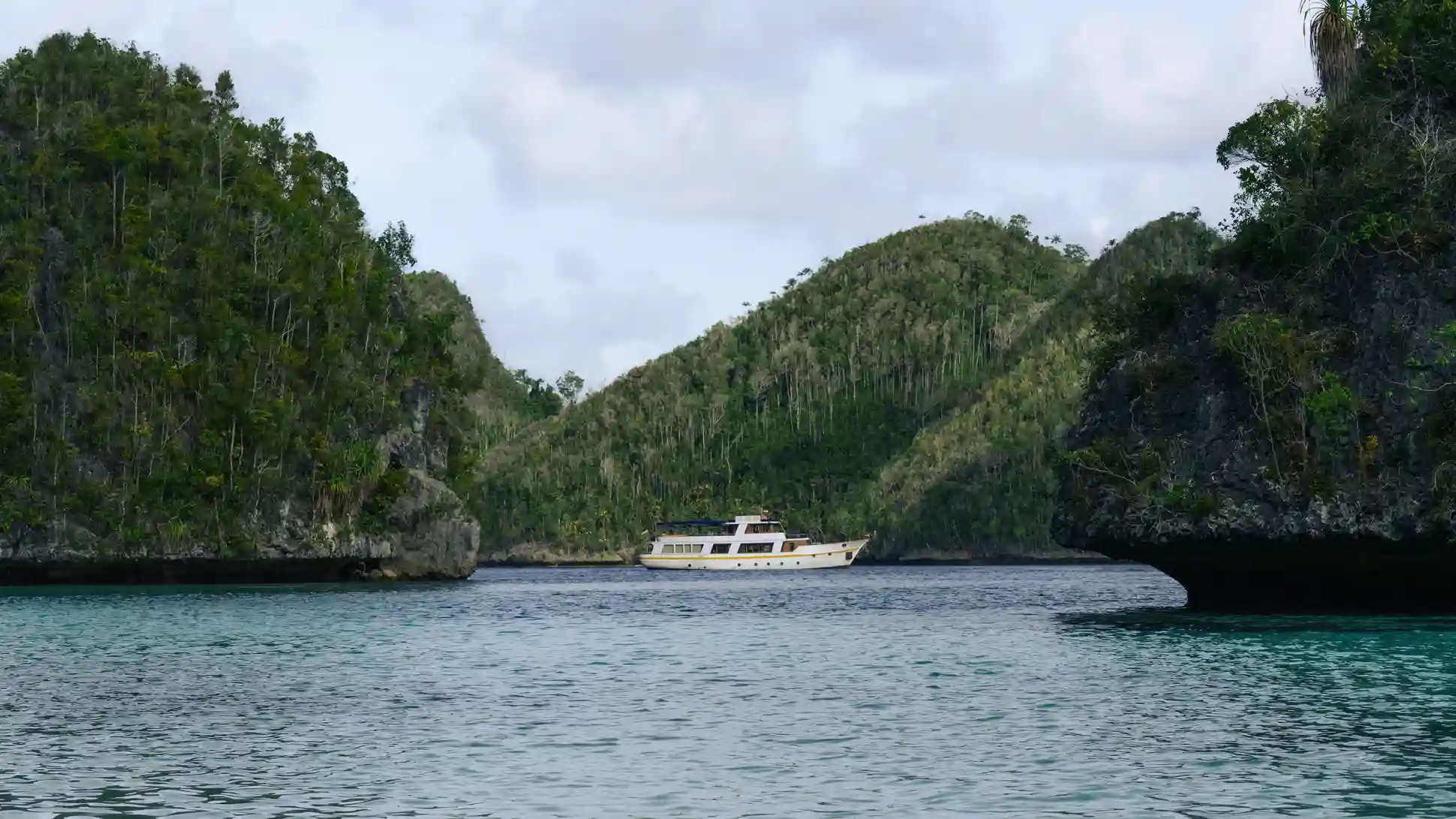
Each island in Raja Ampat offers a distinct habitat, and with that, a unique cast of birdlife. Gam Island remains one of the most reliable spots to observe the Red Bird-of-Paradise. Early morning treks through its moss-draped forest lead to traditional display grounds, or ‘leks’, where males perform intricate dances to attract mates. Local guides, trained in low-impact observation, help position you quietly at viewing blinds—maximizing sightings while minimizing disturbance.
Waigeo, the largest island, hosts a broader range of species due to its varied elevations. Higher trails may reveal the Western Crowned Pigeon, a ground-dwelling giant with striking blue crest feathers. Kri Island, though better known for diving, has coastal woodlands where the Great-billed Parrot and Black-capped Lory feed on fruiting trees. Mioskon Island, a small forested gem, is another stronghold for the Red Bird-of-Paradise and is often included in eco-focused itineraries.
Wayag Island, famous for its panoramic views, also supports endemic species like the Wilson’s Superb Bird-of-Paradise. While access is more limited due to its protected status, guided excursions during select liveaboard trips offer rare opportunities to explore its slopes.
When and How to See Birds at Their Best
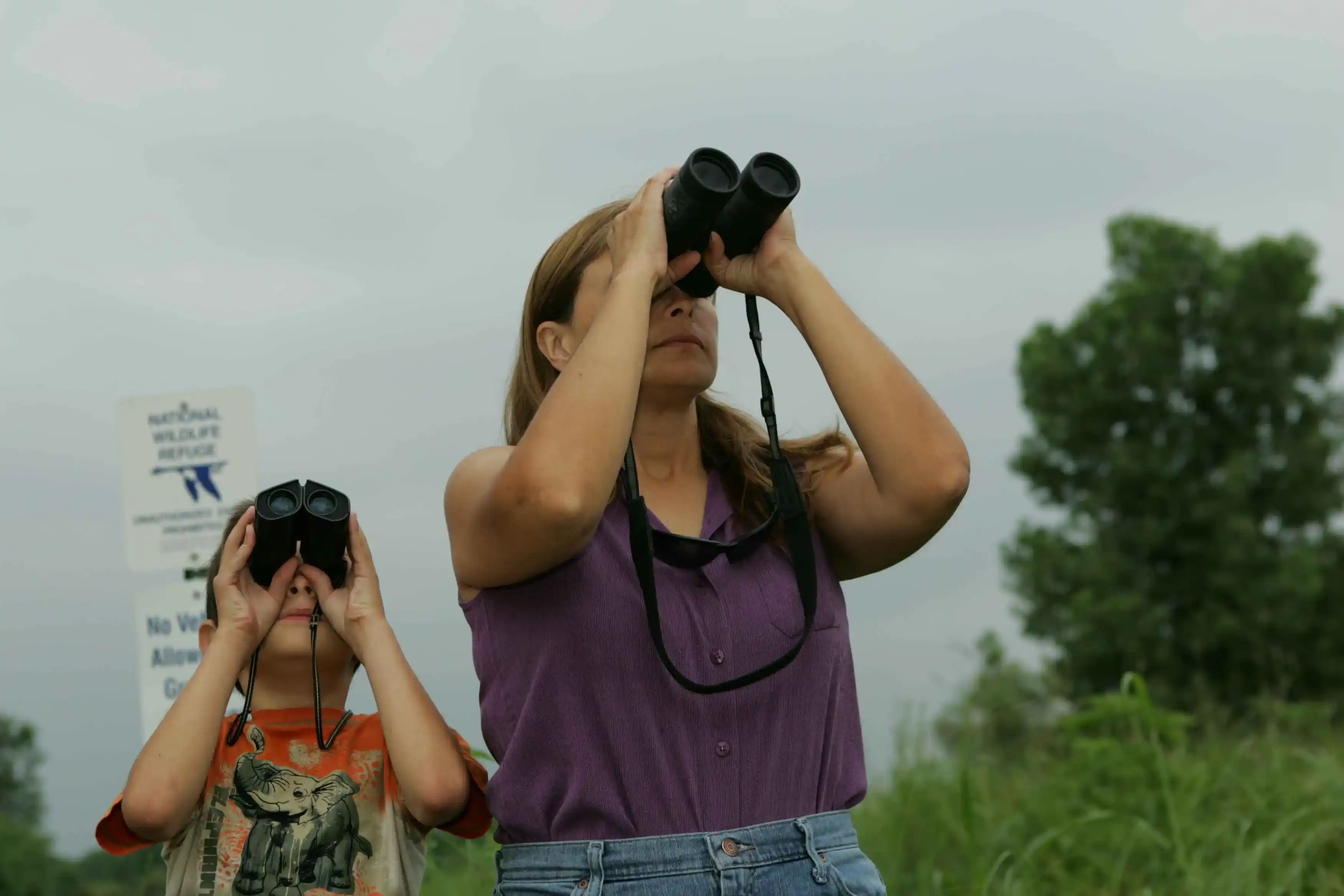
The dry season, from October to April, is the optimal window for birdwatching in Raja Ampat. Stable weather means easier trail access and calmer seas for island transfers. Birds are most active during the cooler hours—just after sunrise and before sunset—when they feed and call. Mornings are especially productive, as males perform courtship displays at dawn.
Tours are led by local naturalists who know exact locations of leks and nesting zones. They move quietly, use minimal playback, and prioritize bird welfare. You’ll walk narrow jungle paths, sometimes on boardwalks to protect sensitive undergrowth, always with binoculars and quiet conversation. No special skills are required—just patience, sturdy footwear, and a sense of wonder. Cameras with zoom lenses are encouraged, but flash photography is strictly avoided near birds.
Gallery
Frequently Asked Questions
Do I need prior birdwatching experience?
Are the Birds of Paradise difficult to see?
What should I bring for birdwatching?
Are there restrictions to protect the birds?
Book Your Birdwatching Adventure
Our charter specialists reply on WhatsApp within minutes — typically during waking hours WITA.
WhatsApp +62 851-9009-6797